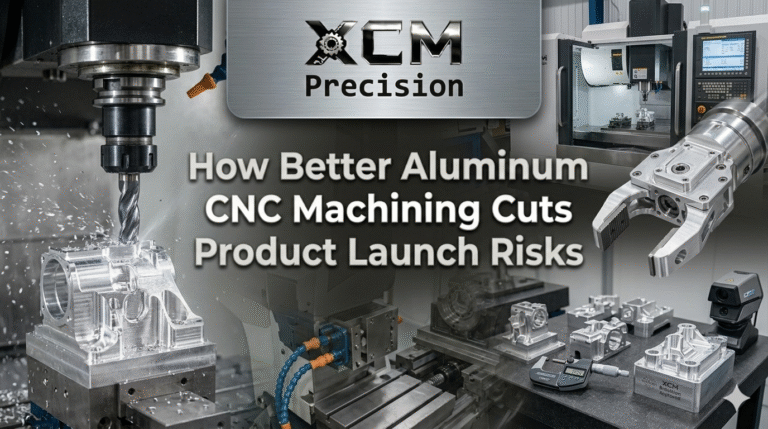
Launching a new product can feel exciting, but it also brings pressure. A small mistake in part size, strength, finish, or fit can delay testing, increase cost, and weaken buyer confidence. That is why strong planning at the machining stage matters.
Aluminum CNC machining helps teams move from design to production with better control, clearer checks, and fewer surprises.
For metal parts that must be light, accurate, and ready for real use, XCM supports machining workflows from prototype development to scalable production.
The Link Between Precision and Launch Confidence
A product launch needs repeatable parts, not just one good sample. This is where computer-controlled machining becomes important.
CNC machining uses programmed cutting paths created from CAD and CAM data. The machine follows these instructions to remove material from a solid metal blank. This allows the same part to be made again with steady accuracy.
For product teams, this helps in a very practical way:
- The prototype can match the planned design more closely.
- The testing phase becomes more dependable.
- The move from sample to production becomes less risky.
When parts are made with tight dimensional control, teams can test real performance instead of wasting time fixing basic fit and form issues. This is one reason precision metal machining is often used for components that need strength, repeatability, and clean finishing.
How Aluminum Supports Faster Design Testing
Aluminum is a common choice for product development because it offers a useful mix of light weight, strength, corrosion resistance, and machinability. It is easier to machine than many harder metals, which can help reduce production time while still supporting strong part performance.
In launch planning, this matters because early testing often needs quick changes. A design may need a thinner wall, a better mounting point, a cleaner slot, or a smoother surface. Aluminum allows these changes to be made with good control.
Aluminum CNC machining also supports parts with complex shapes, pockets, slots, threads, and fine details. This is useful for structural components, industrial parts, housings, brackets, fixtures, and mechanical assemblies where both function and appearance matter.
Where CNC Control Makes a Real Difference
The value of CNC work is not only speed. It is control. Every product launch benefits when each step is more predictable.
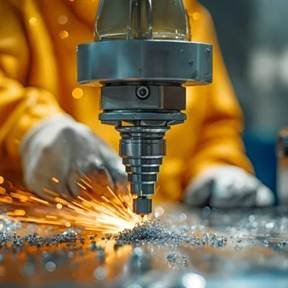
Computer numerical control machining helps reduce human error because the cutting path follows programmed instructions. Once the setup, tools, and materials are aligned, the process can produce parts with steady dimensional accuracy. This matters in products where even a small size difference can affect assembly or performance.
Multi-axis CNC milling and turning also make it possible to produce complex metal components without too many separate handling steps. Less handling can mean fewer chances for alignment issues, surface damage, or variation between parts.
Machining Stages That Protect a New Product
| Machining Stage | What Happens | How It Reduces Launch Risk |
| Design review | Part geometry and requirements are checked | Helps identify possible issues before cutting starts |
| CAD/CAM programming | The digital model becomes machine instructions | Improves accuracy and repeatability |
| Machine setup | Tools, materials, and fixtures are prepared | Reduces movement, error, and poor finish |
| Material removal | Cutting tools shape the metal part | Produces the required form with controlled precision |
| Inspection | Finished parts are measured and checked | Confirms fit, finish, and part quality |
This process gives teams a clearer path from design to usable parts. It also makes corrections easier because every stage has a defined purpose. Instead of guessing where a problem came from, teams can review the drawing, program, setup, machining process, or inspection result.
Why Prototypes Need More Than a Quick Sample
A prototype is not just a sample for review. It is often the first serious proof that the product can work in real conditions. If the prototype is not made well, the test results may not tell the full story.
A weak prototype can lead to wrong decisions. The team may think the design is bad when the real issue is poor manufacturing. On the other side, a well-made prototype can reveal honest design problems that should be fixed before production.
A good prototype should answer important questions about fit, load, movement, finish, and material behavior. It should show whether the design can move into the next stage or whether changes are needed. When the prototype is made with proper aluminum CNC machining, testing becomes clearer and more useful.
XCM Supports Prototype-to-Production Machining
One of the biggest launch risks is the gap between a successful prototype and full production. A part may work well as a single piece, but problems can appear when the same part must be made many times.
XCM supports prototype development, low-volume manufacturing, and high-volume precision production. This range matters because product teams often need different levels of output during a launch cycle.
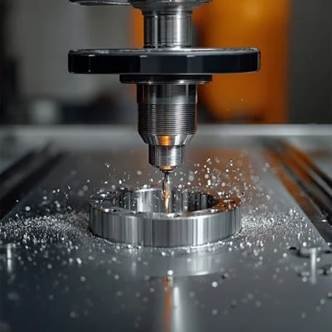
Early samples may be used for testing. Low-volume runs may support pilot orders or field trials. Larger production may follow once the design is approved. A scalable machining process helps reduce the shock between these stages. It supports the same design intent while allowing the order size to grow.
Inspection Reduces Costly Surprises
Inspection is where assumptions are tested. A machined part may look correct, but measurement proves whether it meets the design.
Quality checks can include:
- Dimensional inspection with calibrated tools.
- Surface finish evaluation.
- Material traceability and verification.
- Process monitoring for repeatability.
These checks help catch problems before parts move into assembly, testing, or customer use. For a launch team, this protects time and trust. It is better to find an issue inside the machining process than after the product reaches the next stage.
Choosing Better Machining Support for Launch Success
A good aluminum CNC machining partnership should not only cut metal. It should help protect the product plan from early mistakes and late-stage delays.
For product launch work, the right support should include experience with prototypes and production runs, tight tolerance machining for critical parts, support for complex geometry, practical material guidance, finishing options, and clear inspection steps.
XCM brings these points together through advanced machining systems, design-to-delivery support, scalable workflows, and dedicated inspection expertise. The company also offers free test samples for eligible first orders under stated conditions, with manual review after inquiry.
Final Thoughts
A successful launch depends on many small decisions, and machined parts are among the most important. When a component is light, accurate, repeatable, and checked before delivery, the whole product path becomes steadier. Better machining helps reduce rework, testing confusion, assembly delays, and production waste.
For teams building metal components, XCM offers a practical way to move from design ideas to production-ready parts with stronger control and fewer avoidable risks.