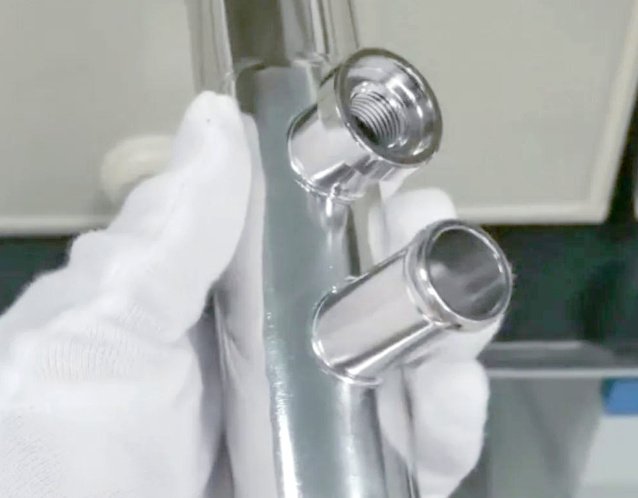
Electrochemical polishing, commonly known as electropolishing, is an electrochemical metal finishing process used to smooth, level, and brighten metallic surfaces by controlled anodic dissolution. It is widely applied to stainless steel, titanium, aluminum, nickel alloys, copper alloys, and other conductive materials when high surface quality, cleanliness, and corrosion resistance are required.
Fundamentals of Electrochemical Polishing
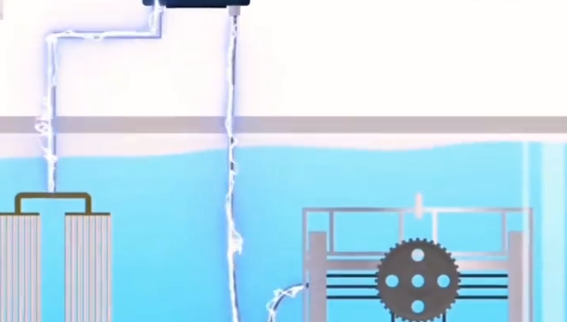
Electrochemical polishing is essentially the reverse of electroplating. The workpiece acts as the anode and is immersed in a conductive electrolyte solution. Under controlled current and voltage, surface material is selectively removed at microscopic peaks, resulting in a smoother and more uniform surface.
The process is governed by electrochemical reactions combined with mass transport and viscous film formation at the metal–electrolyte interface. Surface high spots experience higher current density and dissolve faster than valleys. This differential dissolution is what produces leveling and roughness reduction.
Electropolishing is particularly suitable for parts with complex geometry such as internal passages, fine features, and narrow gaps because the electric field can reach areas inaccessible to mechanical finishing tools.
Key Process Mechanisms
The performance of electrochemical polishing relies on several underlying mechanisms. Understanding these mechanisms is essential for designing processes and diagnosing surface quality issues.
Formation of the Viscous Anodic Film
When current passes through the electrolyte, a concentrated, highly viscous layer forms adjacent to the metal surface. This layer is rich in dissolved metal ions and reaction products. It acts as a diffusion barrier and creates a non-uniform resistance to current flow. Micro-peaks protrude further into the bulk electrolyte, experiencing thinner film thickness and higher current density, leading to faster removal.
Preferential Dissolution of Micro-Peaks
Because micro-peaks have higher current density and weaker viscous film, they dissolve at a higher rate than micro-valleys. With time, the difference between peaks and valleys decreases, reducing surface roughness (Ra, Rz). The process is self-limiting: as the surface becomes smoother, current distribution becomes more uniform, and the leveling effect diminishes.
Mass Transport and Diffusion Control
Electropolishing primarily operates in a diffusion-controlled regime. Transport of metal ions and reactants through the viscous film and into the bulk electrolyte becomes the rate-determining step. Temperature, agitation, electrolyte viscosity, and workpiece geometry all influence mass transport and thus the uniformity and rate of material removal.
Passivation and Surface Chemistry
For stainless steel and other passive alloys, electropolishing promotes formation of a chromium-enriched passive film by preferentially removing iron and other less noble elements. This results in a chemically clean, highly corrosion-resistant surface with a favorable metal-to-oxide ratio. The passive film composition and thickness depend on alloy type, electrolyte chemistry, and process parameters.
Typical Process Flow
While industrial implementations vary, most electrochemical polishing lines follow a structured sequence. Each step affects the final surface quality, so control and documentation are critical.
- Pre-cleaning and degreasing
- Rinsing
- Electrochemical polishing
- Post-rinsing and neutralization
- Final rinsing and drying
Pre-Cleaning and Surface Preparation
Pre-cleaning removes oils, greases, oxides, polishing compounds, and particulate contamination that would interfere with current distribution and electrolyte contact. Common steps include alkaline degreasing, solvent cleaning, ultrasonic cleaning, or light mechanical cleaning. For heavily scaled or heat-tinted surfaces, chemical pickling or descaling may be required to expose clean metal.
Masking and Fixturing
Areas that must not be polished or dimensionally altered can be masked using chemically resistant coatings, tapes, elastomeric plugs, or custom fixtures. Conductive fixturing and robust electrical connections to the workpiece are necessary to maintain uniform current density and minimize arcing or burning.
Electrolyte Immersion and Electrical Connection
The workpiece is connected as the anode (positive terminal), while cathodes (often stainless steel, lead, or other suitable materials) are arranged around or near the workpiece. The parts are immersed in the electrolyte, ensuring complete coverage of the areas to be polished. Cathode design and position directly influence current distribution and must be optimized for part geometry.
Electropolishing Cycle
Once immersed, voltage or current is applied for a defined time. Process control can be based on constant voltage, constant current, or a combination approach. During the cycle, agitation and temperature control ensure stable diffusion conditions and consistent metal removal. Typical cycle times range from seconds to tens of minutes, depending on material, removal rate, and required finish.
Rinsing, Neutralization, and Drying
After electropolishing, the parts are transferred to water rinses to remove residual electrolyte. Neutralization steps may be applied, especially for acid-based electrolytes, using alkaline solutions to reduce acid carryover. Final rinses often use deionized water to minimize spotting. Drying methods include hot air, centrifugal drying, vacuum drying, or filtered air blow-off, chosen according to part geometry and cleanliness requirements.

Commonly Used Electrolytes and Parameters
Electrochemical polishing electrolytes are typically highly conductive, strongly acidic solutions formulated to promote viscous film formation, controlled dissolution, and brightening. Composition and parameters differ by alloy system.
| Metal / Alloy | Typical Electrolyte Type | Temperature Range (°C) | Current Density Range (A/dm²) | Voltage Range (V) | Indicative Material Removal (µm/min) |
|---|---|---|---|---|---|
| Austenitic stainless steel (e.g., 304, 316) | Phosphoric–sulfuric acid mixtures | 40–80 | 5–25 | 5–25 | 2–10 |
| Duplex / ferritic stainless steels | Modified phosphoric–sulfuric or mixed acid systems | 40–80 | 5–20 | 5–20 | 2–8 |
| Titanium and titanium alloys | Methanol- or alcohol-based with fluoride or other additives (low temp) or aqueous fluoride-containing acids | -20–30 (for organic-based) or 20–40 (aqueous) | 2–15 | 5–25 | 1–6 |
| Aluminum and aluminum alloys | Phosphoric–sulfuric acid or other acidic mixtures | 40–80 | 5–20 | 10–30 | 2–8 |
| Copper and copper alloys | Phosphoric or mixed acid electrolytes | 20–60 | 2–15 | 3–15 | 1–5 |
| Nickel and nickel alloys | Phosphoric-based or proprietary electrolytes | 40–80 | 5–20 | 5–20 | 2–7 |
These values are indicative and must be optimized for the specific alloy, component design, and required surface finish. Electrolyte composition is usually proprietary in industrial practice, adjusted for conductivity, viscosity, metal dissolution behavior, and byproduct solubility.
Equipment and System Components
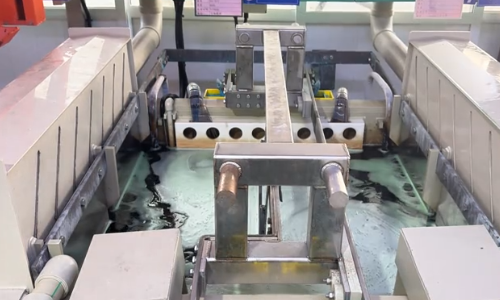
Industrial electrochemical polishing systems range from small bench-top units to fully automated production lines. Independent of scale, several common components are required to achieve controlled and repeatable results.
Processing Tanks
Electropolishing tanks are typically constructed from corrosion-resistant materials such as polypropylene, PVDF, PVC, or lined steel. Tank design must account for electrolyte volume, thermal expansion, structural support, access for loading/unloading, and integration of heating, cooling, and agitation systems. Overflow weirs and covers help minimize aerosol and fume emissions.
Power Supply
Rectifiers or DC power supplies provide controlled voltage and current. Key characteristics include current capacity, voltage range, ripple, stability, and programmability. For processes requiring tight control, power supplies often integrate current and voltage feedback, soft-start features, and data logging for quality records.
Cathodes and Racking
Cathode materials must resist corrosion in the electrolyte and provide stable performance. Cathode geometry is designed to achieve uniform current distribution. Racks and fixtures provide electrical contact and mechanical support for the parts. Materials may include titanium, copper alloys, stainless steel, or other conductive, chemically compatible substrates.
Heating, Cooling, and Temperature Control
Temperature strongly affects electrolyte conductivity, viscosity, and dissolution behavior. Immersion heaters, heat exchangers, or external recirculation loops maintain temperature within a defined band. Sensors and control systems monitor and adjust temperature in real time to maintain consistent process conditions.
Agitation and Filtration
Agitation can be provided by air sparging, mechanical stirring, pump circulation, or workpiece movement. Proper agitation helps maintain uniform concentration, remove gas bubbles, and improve heat distribution. Filtration systems remove metal salts and particulates, reducing sludge buildup and extending electrolyte life.
Rinse and Neutralization Stations
Following the electropolishing tank, multiple rinse stages are arranged to minimize drag-out of electrolyte and chemicals. Counterflow rinsing improves water efficiency and cleanliness. Neutralization tanks are used when necessary to treat acidic residues on parts, preventing staining and handling risks.
Material Removal and Surface Roughness Control
Electrochemical polishing is used both for cosmetic finishing and for precise material removal. The amount of metal removed and the resulting surface roughness must be controlled to meet dimensional and functional requirements.
Material Removal Rate and Tolerance Control
Material removal is influenced by current density, time, temperature, and electrolyte chemistry. Removal per side is often defined in the range of a few micrometers up to several tens of micrometers. For dimensional control, the process is calibrated by test coupons and measurement of removal depth as a function of process parameters. Critical tolerance features may require masking or alternative finishing to avoid dimensional changes.
Surface Roughness Improvement
Electropolishing can significantly reduce roughness parameters such as Ra and Rz. For example, an austenitic stainless steel surface with Ra ≈ 0.80 µm from machining or grinding can often be reduced to Ra ≈ 0.10–0.30 µm, depending on initial topography and process optimization. Roughness reduction is typically more effective when the starting surface does not contain severe scratches or deep defects that exceed the expected removal thickness.
Influence of Initial Surface Condition
Electropolishing does not remove gross defects such as deep gouges, pits, or machining marks far deeper than the planned removal thickness. Mechanical pre-polishing or fine grinding may be required to achieve a uniform and defect-free final finish. The initial condition also affects reflectivity; smoother starting surfaces are more likely to yield mirror-like finishes after electropolishing.
Major Benefits of Electrochemical Polishing
Electrochemical polishing offers a combination of surface quality, cleanliness, and performance improvements that are difficult to achieve with purely mechanical methods.
Enhanced Corrosion Resistance
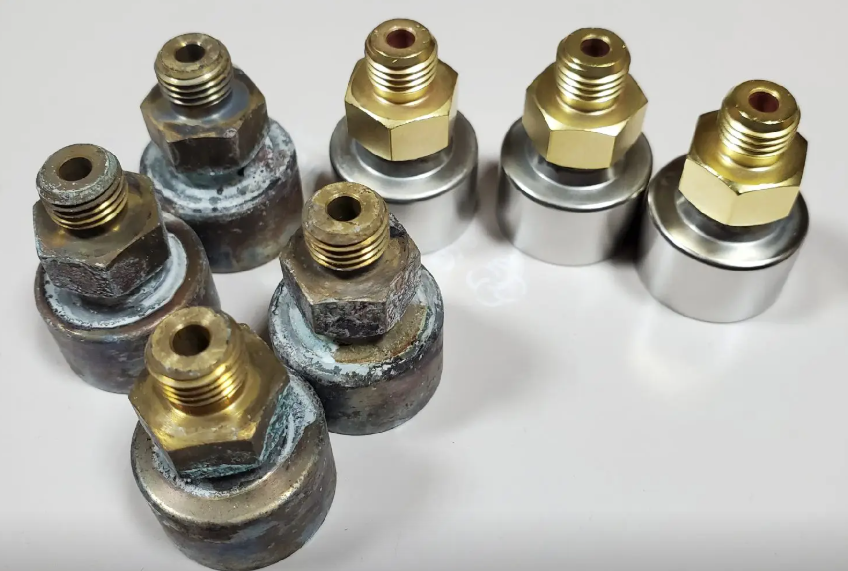
By removing surface inclusions, embedded contaminants, and free iron, electropolishing produces a highly passive, chromium-enriched surface on stainless steels and other alloys. This results in lower corrosion rates, improved resistance to pitting and crevice corrosion, and extended service life in aggressive environments such as chemical processing, pharmaceutical production, and marine exposure.
Deburring and Edge Smoothing
Micro-burrs, sharp edges, and small protrusions created by machining, drilling, stamping, or laser cutting can be selectively dissolved. The process smooths edges and reduces stress concentrations without physically deforming the material. This is especially important for flow-critical components, precision medical instruments, and parts where cutting edges must be carefully controlled.
Improved Cleanliness and Decontamination
Electropolished surfaces are smooth, free of machining residues, and have reduced micro-roughness. This reduces the adhesion of contaminants, biofilms, and residues. In industries with strict cleanliness requirements, such as pharmaceutical, food, and semiconductor manufacturing, electropolishing simplifies cleaning validation, enhances sterilization efficiency, and reduces the risk of contamination.
Surface Brightness and Aesthetics
The process imparts a bright, reflective finish that is often visually similar to mechanical polishing but with fewer directionality marks. This combination of functional and aesthetic benefits makes electropolishing suitable for visible architectural elements, consumer products, and instrumentation.
Improved Fatigue and Mechanical Performance
By removing surface defects and stress concentrators, electropolishing can improve fatigue performance in many alloys. Cracks often initiate at surface irregularities; reducing these features can delay crack initiation and extend fatigue life. This effect is particularly relevant for springs, wire components, and high-stress mechanical parts.
Typical Pain Points and Process Considerations
Although highly effective, electrochemical polishing introduces specific considerations that must be managed to maintain quality and productivity.
Dimensional Changes and Critical Tolerances
Because the process removes material uniformly, all exposed surfaces experience dimensional change. For parts with tight tolerances on small features or thin walls, even small removal depths may be significant. Proper design, masking, and process calibration are required to ensure compliance with dimensional requirements.
Edge and Corner Effects
Edges and corners tend to experience higher current density and can be over-polished, leading to rounding or thinning. This is particularly visible on fine features, small holes, or microstructures. Adjustments in fixturing, current density, and time are often necessary to mitigate such effects.
Electrolyte Handling and Maintenance
Electrolytes are typically strongly acidic and require appropriate handling procedures, compatible materials, and regular maintenance. Over time, dissolved metal content increases, and reaction byproducts accumulate, affecting performance. Monitoring and periodic adjustment or replacement of the electrolyte are necessary for consistent results.
Surface Defects and Non-Uniform Finishes
Non-uniform current distribution, poor contact, inadequate agitation, or contaminated surfaces can cause matte areas, streaks, pitting, or burning. Root cause analysis frequently involves verification of electrolyte composition, cleanliness of parts before processing, configuration of cathodes, and rectifier parameters.
Quality Control and Inspection
Electrochemical polishing processes must be validated and controlled to meet stringent industry standards. Quality control encompasses dimensional verification, surface characterization, corrosion testing, and documentation.
Surface Roughness and Topography Measurement
Contact profilometers, white light interferometers, atomic force microscopes, and other surface metrology tools are used to quantify roughness parameters (Ra, Rz, Rq) and evaluate topography. These measurements confirm that the process meets specified roughness targets and detects local deviations.
Visual and Microscopic Inspection
Visual inspection is performed to detect surface anomalies such as stains, pits, incomplete polishing, or discoloration. Optical microscopy and, when required, scanning electron microscopy (SEM) can be used to examine micro-roughness, grain boundary behavior, and sub-surface effects.
Corrosion and Passivation Testing
For stainless steel and corrosion-critical components, standardized tests evaluate passivation quality and corrosion resistance. These may include:
- Salt spray exposure tests.
- Electrochemical polarization measurements.
- Chemical passivation verification tests based on established standards.
Test results provide evidence that electropolishing has enhanced the surface in line with application requirements.
Dimensional and Geometrical Checks
Dimensional measurements after electropolishing confirm that parts remain within tolerance. Coordinate measuring machines (CMM), optical comparators, and micrometers are used to measure critical features. Geometric tolerances such as roundness, flatness, and straightness may also be evaluated for high-precision components.
Comparison with Other Surface Finishing Methods
Electrochemical polishing is one of several surface finishing techniques. The choice among methods depends on material, geometry, required finish, and functional requirements.
| Method | Material Removal Mechanism | Typical Surface Characteristics | Suitability for Complex Internal Features | Impact on Mechanical Properties |
|---|---|---|---|---|
| Electrochemical polishing | Anodic dissolution in electrolyte under controlled current | Smooth, bright, low Ra, improved passivation | High; electric field reaches internal passages and small features | Potentially improves fatigue by removing surface defects |
| Mechanical polishing / buffing | Abrasive contact and plastic deformation | Bright, but may show directional scratches and embedded abrasives | Limited; difficult for deep internal surfaces and narrow channels | May induce residual stresses and deformation near the surface |
| Chemical polishing (no current) | Chemical dissolution with appropriate etchants | Improved smoothness; less controllable than electropolishing | Moderate; depends on solution access and flow paths | Minimal mechanical impact, but chemistry-dependent |
| Vibratory / mass finishing | Abrasive media interaction with vibrating or rotating parts | Matte to semi-bright; rounding of edges | Low to moderate; not ideal for intricate internal geometries | Can remove burrs but may introduce surface deformation |
| Shot peening / blasting | Impact of particles on the surface | Textured, increased roughness, compressive residual stresses | Limited; mainly for accessible external surfaces | Improves fatigue via compressive stress but increases roughness |
This comparison illustrates why electropolishing is chosen when a combination of low roughness, corrosion resistance, and access to complex geometries is required.
Applications in Stainless Steel Components
Stainless steel is one of the most commonly electropolished materials, leveraging the process to optimize both appearance and performance. Applications span industries that demand hygiene, corrosion resistance, and high-quality surface finishes.
Pharmaceutical and Bioprocessing Equipment
Stainless steel vessels, tanks, piping, and process components used in pharmaceutical and bioprocessing systems often undergo electropolishing to achieve:
Improved cleanability through reduced surface roughness and elimination of micro-crevices, supporting clean-in-place (CIP) and sterilization-in-place (SIP) operations.
Minimized product adhesion and residue buildup, reducing cross-contamination risks.
Enhanced corrosion resistance to cleaning agents, process media, and high-temperature environments.
Food and Beverage Processing Systems
In food and beverage applications, electropolished stainless steel helps maintain hygienic surfaces in fillers, pipelines, mixing equipment, and storage tanks. The smoother, more passive surface supports cleaning procedures and maintains product quality over repeated processing cycles.
Semiconductor and Ultra-Clean Systems
Ultra-high-purity gas and chemical lines, as well as cleanroom utilities, often rely on electropolished stainless steel tubing and components. The process reduces particle shedding, minimizes surface contamination, and contributes to the stringent cleanliness required in semiconductor fabrication and microelectronics manufacturing.
Medical and Surgical Instruments
Stainless steel medical devices and surgical instruments benefit from electropolishing through smoother surfaces, improved sterilization efficiency, and enhanced corrosion resistance to repeated cleaning and autoclaving. Sharp edges can be controlled, and surface contamination inherent to machining or forming processes is removed.
Applications in Titanium and Specialty Alloys
Titanium and high-performance alloys are routinely electropolished where biocompatibility, fatigue strength, and corrosion resistance are critical. Electrochemical polishing complements their inherent material properties by refining surface characteristics.
Orthopedic and Dental Implants
Titanium bone screws, plates, hip stems, dental implants, and other orthopedic devices are electropolished to reduce surface defects, improve fatigue performance, and minimize particulate release. A smoother surface also contributes to favorable interaction with biological tissues while facilitating cleaning and sterilization before implantation.
Aerospace and High-Performance Components
Titanium and nickel-based alloy components in aerospace, such as springs, fasteners, and structural fittings, may be electropolished to improve fatigue behavior and remove machining-induced surface irregularities. The process can enhance reliability in cyclic loading environments and help optimize surfaces for high-stress applications.
Applications in Aluminum, Copper, and Other Metals
While stainless steel and titanium are primary candidates, other metals also benefit from electrochemical polishing where appearance, conductivity, or corrosion performance are essential.
Aluminum Components
Aluminum parts used in decorative, optical, or precision assemblies can be electropolished to obtain bright and smooth finishes. The process can serve as a pre-treatment for further surface modifications or coatings. Care is taken to manage alloy composition and avoid over-etching of softer phases.
Copper and Copper Alloy Components
Electropolishing is used on copper and brass components where high conductivity and low surface roughness are important, such as in electrical contacts, RF applications, and vacuum components. Smoother surfaces improve electrical performance and reduce sites for corrosion initiation.
Design and Engineering Considerations
Effective application of electrochemical polishing requires attention at the design stage and during process engineering to ensure that performance targets are achievable.
Part Geometry and Current Distribution
Complex geometries, deep cavities, and sharp corners can result in non-uniform current distribution. Engineers may adjust part design, select specific cathode shapes, or modify fixturing to promote more even current density. Avoiding unnecessary sharp internal corners can help reduce over-polishing or under-polishing in critical areas.
Material Selection and Alloy Composition
Not all alloys respond identically to a given electrolyte. Small changes in composition can affect dissolution behavior, passivation tendencies, and surface appearance. Selecting alloys known to electropolish well and validating processes for each alloy type ensures predictable quality.
Integration into Manufacturing Routes
Electropolishing is often integrated as a finishing steps after machining, forming, welding, or additive manufacturing. Sequence planning must account for potential issues such as weld oxide removal, residual stresses, and the impact of prior surface treatments. Coordination with upstream operations helps minimize rework and optimize total process time.
Process Documentation and Traceability
In regulated industries, comprehensive documentation and traceability are essential. Electrochemical polishing procedures are typically defined by work instructions specifying:
Pre-treatment requirements, including cleaning methods and inspection criteria.
Electrolyte composition, operating temperature, and maintenance procedures.
Power supply settings (current density, voltage limits, cycle time) for each part or family of parts.
Rinsing, neutralization, and drying steps, including water quality and time.
Inspection, testing, and acceptance criteria for surface finish, corrosion performance, and dimensions.
Traceability may include batch records, parameter logs from rectifiers, and test reports for each production lot. This documentation supports compliance with industry standards and customer specifications.
FAQ about Electrochemical Polishing
What is electrochemical polishing (electropolishing)?
Electropolishing is an electrochemical process that removes a thin layer of metal from a workpiece surface to improve smoothness, cleanliness, and corrosion resistance.
What are the main benefits of electropolishing?
Benefits include improved surface finish, reduced surface roughness, enhanced corrosion resistance, easier cleaning, removing burrs, and creating a bright, shiny appearance.
Which materials can be electropolished?
Common materials include stainless steels (especially 300-series), titanium, aluminum, copper, nickel alloys, and some specialty metals.
How does electropolishing differ from mechanical polishing?
Electropolishing removes metal uniformly at the microscopic level using an electrochemical reaction, while mechanical polishing physically grinds or buffs the surface. Electropolishing achieves smoother and cleaner surfaces without abrasive scratches.
Does electropolishing improve corrosion resistance?
Yes. By removing embedded contaminants and creating a more uniform passive layer, electropolishing significantly improves corrosion performance, especially for stainless steel.