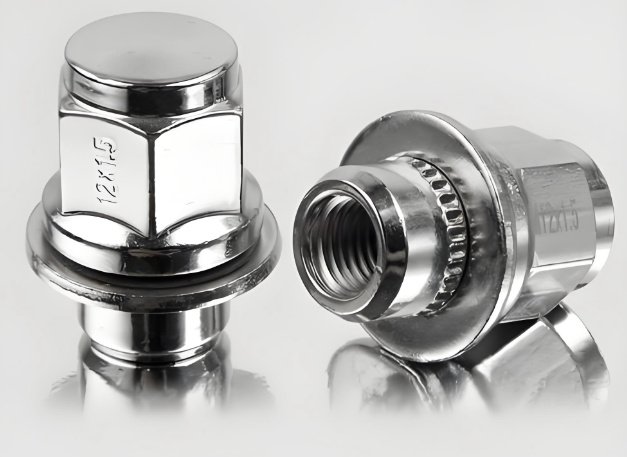
Choosing between stainless steel and plastic sensor housings is a critical decision that affects sensor performance, lifespan, safety, and total cost of ownership. The best option depends on the specific environment, mechanical loads, regulatory requirements, and maintenance strategies in your application.
This guide provides a detailed, technical comparison of stainless steel and plastic sensor housings, including material properties, environmental resistance, hygienic design, mechanical performance, thermal behavior, electrical aspects, certification, and cost considerations. It is designed to help engineers, integrators, and purchasing teams make informed, application‑driven decisions.
Typical Applications for Sensor Housings
Sensor housings protect sensitive electronics and transducers from mechanical damage, dust, moisture, chemicals, and cleaning procedures. Both stainless steel and plastic enclosures are used across many industries, but their suitability differs by application.
- Industrial automation: proximity sensors, photoelectric sensors, pressure and level transmitters, encoders
- Process industries: flow, temperature, pressure sensors in chemical, oil & gas, water treatment
- Food and beverage: level, pressure, temperature, and position sensors exposed to cleaning agents and washdown
- Pharmaceutical and biotech: sensors in cleanrooms, reactors, and sterilization environments
- Medical devices and diagnostics: small form‑factor sensors in equipment housings
- HVAC, building automation: temperature, humidity, and pressure sensors in air handling units and ducts
- Outdoor and mobile equipment: position, pressure, and environmental sensors exposed to weather and vibration
Understanding the environmental and regulatory profile of these applications is essential before selecting stainless steel or plastic housings.
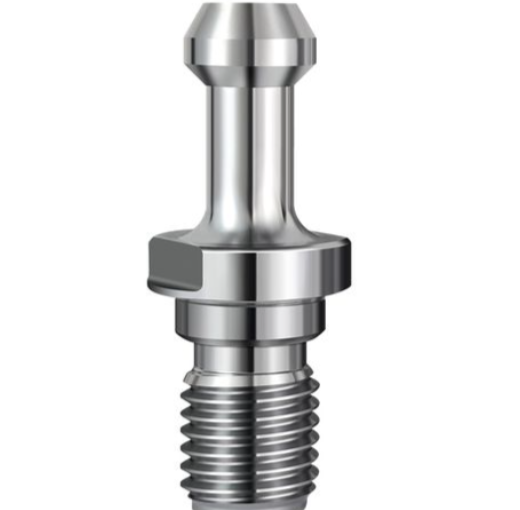
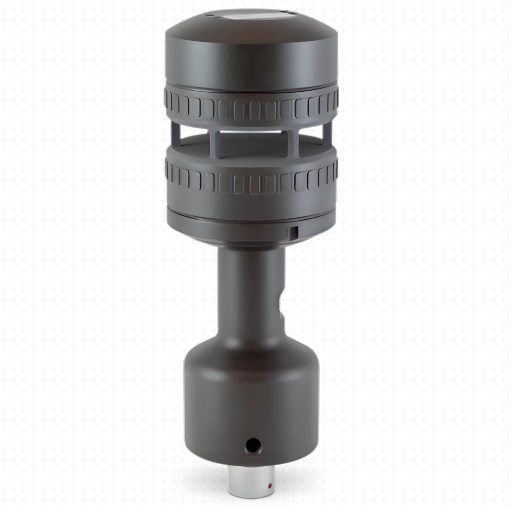
Material Fundamentals: Stainless Steel vs Plastic
Sensor housings are usually made from a narrow range of stainless steel grades and engineering plastics. The table below summarizes typical options and key base properties relevant to sensor enclosures.
| Material type | Typical grades | Approx. density (g/cm³) | Approx. tensile strength (MPa) | Key characteristics |
|---|---|---|---|---|
| Stainless steel (austenitic) | 1.4301 / AISI 304, 1.4404 / AISI 316L | 7.9–8.1 | 500–700 | High strength, excellent corrosion resistance, good temperature range, hygienic surfaces |
| Stainless steel (martensitic / ferritic) | 1.4016 / AISI 430, 1.4021 / AISI 420 | 7.7–7.8 | 450–750 | Good strength, lower corrosion resistance than 304/316, can be magnetic |
| Plastic (polycarbonate) | PC, sometimes glass‑filled | 1.2 | 60–75 (unfilled) | High impact resistance, good dimensional stability, clear or opaque variants |
| Plastic (polyamide) | PA6, PA66, PA12; often glass‑filled | 1.1–1.4 | 60–200 (depending on filler) | Good mechanical strength, good wear resistance, water absorption needs consideration |
| Plastic (PBT / PET) | PBT, PET, often GF‑reinforced | 1.3–1.7 | 60–170 | Good stiffness, dimensional stability, better moisture behavior than PA |
| Plastic (PBT‑PC blends, others) | Various blends and special compounds | 1.2–1.4 | 50–120 | Tuned impact and chemical resistance, often used for sensor heads and connectors |
In general:
- Stainless steel housings provide superior mechanical strength and chemical durability but at higher mass and material cost.
- Plastic housings offer lower weight, design flexibility, and typically lower cost, with performance depending strongly on the chosen polymer and additives.
Environmental and Chemical Resistance
Environmental exposure is often the primary driver for choosing between stainless steel and plastic. The suitability of the housing material depends on moisture, dust, chemicals, and cleaning methods.
Moisture, Dust, and IP Ratings
Both stainless steel and plastic housings can achieve high ingress protection (IP) ratings when properly designed and manufactured, such as IP65, IP67, or IP69. The material itself does not define the IP rating; sealing design, gaskets, and assembly quality are decisive factors.
However, material choice influences long‑term sealing performance:
- Stainless steel exhibits low dimensional change with temperature; sealing surfaces remain stable, supporting long‑term IP performance.
- Plastics expand and contract more with temperature changes. If not compensated in the design, this can affect gasket compression and long‑term tightness.
Chemical Resistance and Cleaning Agents
Chemical exposure includes process media (e.g., solvents, acids, bases) and cleaning agents (e.g., alkaline detergents, disinfectants, chlorides).
Stainless steel:
- AISI 304: good resistance to many chemicals and cleaning agents; susceptible to chloride‑induced pitting in harsh environments (e.g., high salt or chlorine content).
- AISI 316/316L: higher molybdenum content improves resistance to chlorides, acids, and aggressive environments; widely used in food, beverage, and marine environments.
Plastics:
- Polycarbonate: good resistance to many aqueous solutions; can be attacked by some solvents and strong alkalis; sensitive to stress cracking in contact with certain oils and chemicals.
- Polyamide: good resistance to oils and many hydrocarbons, but absorbs moisture and can change dimensions; some grades may be weakened by strong acids or alkalis.
- PBT/PET: generally good resistance to oils, fats, and many solvents; better dimensional stability in humid environments than PA.
For aggressive cleaning media and high‑frequency washdown, stainless steel housings, especially in 316/316L, are commonly preferred due to their predictable and well‑documented corrosion resistance when properly finished and maintained.
Outdoor Weather and UV Exposure
For outdoor sensors, resistance to UV radiation, temperature fluctuations, and moisture is essential.
Stainless steel performs well outdoors, with limited degradation over long periods when appropriate grades and surface finishes are used. Surface discoloration or minor corrosion can occur in very harsh atmospheres (e.g., coastal, industrial) if the grade is not matched to the environment.
Plastic behavior depends on formulation:
- UV‑stabilized plastics (e.g., UV‑stabilized polycarbonate) can be suitable for outdoor use, but long‑term color change or micro‑cracking may occur.
- Non‑stabilized plastics may become brittle, yellow, or crack under UV exposure, which compromises mechanical integrity and sealing surfaces.
Hygiene, Cleanability, and Surface Finish
In applications such as food and beverage, pharmaceuticals, and biotechnology, hygienic design and cleanability are critical selection criteria. The housing material has direct impact on surface properties and response to cleaning and disinfection regimes.
Hygienic Design Considerations
Key aspects of hygienic sensor housings include:
- Smooth surfaces with low roughness (e.g., Ra ≤ 0.8 µm for many hygienic requirements)
- Absence of crevices, gaps, and dead spaces that can harbor residues or biofilms
- Rounded transitions and minimal external threads
- Materials compatible with repeated washdown, hot water, and steam
Stainless steel housings can be manufactured with polished or electropolished surfaces, achieving low roughness and high cleanability. They also withstand typical sanitizing agents and high‑temperature cleaning routines (within specified limits).
Plastic housings can offer smooth molded surfaces; however:
- Surface micro‑porosity and fine textures can vary with mold quality and material.
- Scratches and abrasion from cleaning can be more visible and may roughen the surface, affecting cleanability.
- High‑temperature cleaning, steam, or aggressive chemicals may be limited by polymer heat and chemical resistance.
Typical Hygienic Requirements by Material
| Aspect | Stainless steel housings | Plastic housings |
|---|---|---|
| Surface roughness potential | Can reach very low Ra (e.g., ≤ 0.8 µm) with polishing or electropolishing | Depends on mold and material; smooth but often higher Ra than polished steel |
| Compatibility with caustic/acidic cleaners | Very good with suitable grade (e.g., 316L) and correct usage | Varies widely; some cleaners may cause swelling, cracking, or discoloration |
| Resistance to high‑temperature washdown | Generally high, subject to seal and electronics limits | Limited by polymer heat deflection temperature; high‑temp washdown may be restricted |
| Risk of surface damage over time | Scratches possible but surface remains structurally stable | Can become scratched, faded, or brittle, impacting cleanability and appearance |
Where formal hygienic design guidelines or certifications apply, stainless steel is often favored because its properties and compliance pathways are well established.
Mechanical Strength, Impact, and Vibration
Mechanical loading factors include static loads, impacts, vibration, and potential abuse during operation, handling, or maintenance.
Strength and Impact Resistance
Stainless steel housings provide:
- High tensile and yield strength
- High resistance to deformation and denting under mechanical impacts
- Robustness against overtightening of mounting hardware
Plastic housings offer:
- Lower mass, which can reduce inertia under vibration
- Good impact resistance for certain polymers (e.g., polycarbonate) but generally lower stiffness and strength compared with steel
- Risk of cracking, chipping, or creep under sustained mechanical stress if not properly designed
In mechanical environments with high risk of collision, falling objects, or heavy vibration, stainless steel housings provide higher safety margins and often longer service life. In moderate environments where reduced weight is important, well‑designed plastic housings can be sufficient.
Vibration and Fatigue
Vibration can loosen fasteners, fatigue materials, and affect connector integrity.
- Stainless steel: high fatigue strength and dimensional stability; suitable for rigid mountings and heavy machinery environments.
- Plastics: lower modulus and different damping behavior; can absorb some vibration but may experience creep or micro‑movement around screws and inserts over long periods, especially at elevated temperatures.
For high‑vibration applications, factors such as wall thickness, presence of metal inserts, mounting design, and the chosen polymer grade significantly affect performance of plastic housings. Stainless steel designs are generally more tolerant of broad vibration spectra.
Thermal Performance and Temperature Limits
Temperature influences both material properties and internal sensor performance. Housing material affects heat transfer, dimensional stability, and allowable operating temperatures.
Operating Temperature Ranges
Stainless steel:
- Maintains mechanical integrity over a wide temperature range, typically from well below 0 °C up to several hundred degrees Celsius.
- In sensor assemblies, the limiting factors are often seals, electronics, and cable materials rather than the stainless steel housing itself.
Plastic:
- Typical continuous operating limits for many sensor‑grade plastics lie roughly between −20 °C and +80…+120 °C, depending on the polymer and formulation.
- Above the heat deflection temperature, plastics soften, leading to deformation and potential seal failure.
- At very low temperatures, plastics may become brittle and more susceptible to impact damage.
Heat Transfer and Thermal Stability
Stainless steel has significantly higher thermal conductivity than plastics. This has several effects:
- Heat from internal electronics can be transferred to the environment more efficiently, potentially reducing internal temperatures.
- External temperature changes reach internal components more quickly, which can be beneficial for temperature sensors but needs to be managed for electronics.
Plastics act as thermal insulators:
- They slow down temperature transfer, which may provide thermal buffering for certain electronics.
- For temperature sensors, additional design measures may be necessary to ensure a fast response time to environmental temperature changes.
Electrical and EMC Considerations
Housing material influences grounding, shielding, and electromagnetic compatibility (EMC).
Grounding and Shielding
Stainless steel housings are electrically conductive:
- They can serve as part of a Faraday cage, providing shielding against electromagnetic interference when properly grounded and designed.
- They allow straightforward implementation of protective earth connections and shielding concepts.
Plastic housings are typically non‑conductive:
- They provide inherent electrical insulation, which can be advantageous in some low‑voltage or safety‑related designs.
- They do not offer intrinsic EMI shielding; any required shielding must be provided via internal metal shields, conductive coatings, or shielded cables.
For sensors placed in environments with strong electromagnetic fields or in applications with strict EMC requirements, stainless steel enclosures simplify shielding strategies. Plastic housings can still meet EMC requirements but may need additional design elements.
Weight, Size, and Mounting Implications
Weight and size constraints can influence the choice between stainless steel and plastic sensor housings, especially in mobile, robotic, or space‑constrained applications.
Weight Comparison
Due to the higher density of stainless steel, housings made from steel are significantly heavier than similarly sized plastic housings. For example, a small cylindrical sensor body with the same wall thickness will be several times heavier in stainless steel than in plastic.
This has implications for:
- Mounting structures: may require stronger brackets, supports, or fasteners for stainless steel housings.
- Dynamic systems: mass at the end of robot arms or moving parts influences energy consumption and dynamic performance; lighter plastic housings can be beneficial.
- Ergonomics: in handheld or portable equipment, lighter plastic housings can reduce operator fatigue.
Wall Thickness and Internal Space
To achieve sufficient stiffness and strength, plastic housings may require thicker walls or ribs compared to stainless steel designs. This can affect:
- Outer dimensions for a given internal volume
- Internal layout and space for electronics, connectors, and seals
Stainless steel’s higher strength allows for thinner walls while maintaining mechanical robustness, potentially allowing more compact designs for the same internal volume, at the cost of increased weight.
Regulatory Compliance and Industry Standards
Many applications require compliance with industry standards and regulations concerning hygiene, safety, or environmental conditions. The path to compliance can be influenced by housing material.
Food, Beverage, and Pharmaceutical Requirements
In hygienic applications, relevant requirements can include:
- Use of corrosion‑resistant, non‑toxic materials
- Surface finishes and geometries that support cleaning and disinfection
- Resistance to typical cleaning and sterilization procedures
Stainless steel, particularly in grades such as 316L with suitable surface finishes, is widely recognized and documented in hygienic design guidelines. Many hygienic sensors are offered exclusively in stainless steel housings due to the combination of mechanical strength, chemical resistance, and surface properties.
For plastics, only specific food‑compatible grades and formulations are acceptable where direct or indirect contact with food can occur. Additionally, the resistance of plastics to repeated cleaning or sterilization must be carefully evaluated.
Explosion Protection and Hazardous Locations
In hazardous areas, sensor housings may need to comply with explosion protection concepts (for example, flameproof enclosures). While both metal and plastic components can be used in certified devices, metal housings, including stainless steel, are often preferred for:
- Mechanical robustness under explosion pressure
- Containment capability for flamepaths and pressure relief concepts
Plastic is frequently used for non‑sparking external components or for devices with intrinsic safety concepts, but in many heavy industrial hazardous applications, stainless steel housings remain common.
Manufacturing, Customization, and Design Freedom
Manufacturing methods differ substantially between stainless steel and plastic housings, with consequences for design freedom, tooling, and cost structure.
Manufacturing Methods
Stainless steel housings are typically produced by:
- Turning, milling, and drilling from bar or tube stock
- Deep drawing, stamping, and forming for specific shapes
- Welding and subsequent finishing for assemblies
Plastic housings are commonly produced by:
- Injection molding for high volumes
- Machining from solid plastic or cast stock for lower volumes or prototypes
Injection molding supports complex geometries, internal ribs, snap‑fits, and detailed features in a single part, which is harder or more costly to realize in stainless steel. However, the initial cost for molds can be substantial and only pays off with sufficient production volume.
Customization and Modularity
For low‑volume or specialized sensors:
- Stainless steel housings can be customized via machining with relatively low upfront tooling cost, making them attractive for small series or tailored solutions.
- Plastic housings can be economically attractive at high volumes using dedicated molds; small design changes may require new or reworked tooling.
For modular product families, insert concepts, standardized threaded connections, and seal interfaces can be implemented with both materials. The choice often depends on expected volume, precision demands, and environmental requirements.

Cost Factors and Total Cost of Ownership
Initial purchase price is only one part of the cost equation. When comparing stainless steel and plastic sensor housings, evaluate both acquisition and long‑term costs.
Upfront Cost Drivers
Stainless steel housings generally have:
- Higher raw material cost per unit volume
- Higher machining and finishing effort
- Potentially greater cost per unit, especially in low to medium volumes
Plastic housings generally offer:
- Lower material cost per volume
- High production efficiency and low unit cost in injection molding for medium to high volumes
- Additional cost for molds and tooling that must be amortized over production quantities
Maintenance, Downtime, and Service Life
Total cost of ownership includes replacement frequency, downtime, and maintenance effort. In harsh environments, the following aspects can be decisive:
- Stainless steel housings often deliver longer service life where corrosion, high temperatures, or mechanical abuse are prevalent, reducing replacement and downtime costs.
- Plastic housings may require more frequent replacement in aggressive chemical or UV‑intensive environments or where mechanical impacts occur regularly.
In moderate environments, plastic housings can provide adequate lifetime with lower initial cost, making them economical when conditions are well understood and controlled.
Application‑Based Selection Guidelines
Choosing the best housing material requires aligning the material properties with the operating environment and system requirements. The following guidelines provide a structured way to decide.
When Stainless Steel Housings Are Typically Preferred
Stainless steel is often recommended for sensors used in:
- Food and beverage production with frequent high‑pressure washdown and aggressive cleaning agents
- Pharmaceutical or biotechnology applications with strict hygienic and surface requirements
- Chemical processing environments with corrosive media and vapors
- Heavy industrial machinery with high vibration, impact risk, or mechanical abuse
- High‑temperature or wide‑temperature‑range applications
- Outdoor marine or coastal environments with significant chloride exposure (with appropriate grade selection)
- Installations requiring robust EMC shielding and straightforward grounding
When Plastic Housings May Be the Better Choice
Plastic housings can be advantageous when:
- Weight must be minimized (e.g., on robot end effectors, moving machine parts, portable devices)
- The environment is relatively benign in terms of chemicals, temperature, and mechanical loads
- High design complexity is desired at large production volumes, benefiting from injection molding capabilities
- EMC demands can be met with internal shielding or the application environment is not electromagnetically harsh
- A lower initial cost is a major selection criterion and the expected lifetime under given conditions is acceptable
Key Pain Points and Practical Considerations
Engineering teams often encounter recurring issues when selecting housing materials. Understanding these can prevent misapplication of stainless steel or plastic housings.
Common Issues with Stainless Steel Housings
- Higher purchase price: can be a barrier for projects with tight cost constraints or for large sensor quantities.
- Weight: may require reinforcement of mounting structures and can reduce dynamic performance in moving systems.
- Over‑specification: using stainless steel in mild, controlled environments may not yield a measurable benefit over well‑chosen plastic, leading to unnecessary cost.
Common Issues with Plastic Housings
- Chemical incompatibility: selecting a plastic that is not resistant to local detergents or process media can result in cracking, swelling, or leakage over time.
- Thermal and UV degradation: under high temperatures or strong sunlight, some plastics can become brittle, distorting housings and compromising seals.
- Mechanical damage: in environments where tools or product impact sensors, plastic housings can crack or break more readily than stainless steel.
- Limited hygienic suitability: in demanding washdown environments, maintaining surface integrity and cleanliness with plastics can be more challenging.
Summary: How to Decide for Your Application
Both stainless steel and plastic sensor housings can reliably protect sensors when correctly matched to the application. The decision should be based on a systematic evaluation of:
- Environmental exposure: chemicals, moisture, dust, UV, and temperature
- Hygienic and regulatory requirements
- Mechanical loads: impact, vibration, and mounting conditions
- Electrical and EMC requirements
- Weight and size constraints
- Production volume, customization needs, and cost structure
In demanding industrial and hygienic environments, stainless steel housings frequently deliver the most robust and predictable performance over the lifecycle. In moderate environments, especially where weight and cost are critical, well‑engineered plastic housings can be the optimal solution.
Careful assessment of your process conditions, cleaning regimes, and mechanical layout, ideally supported by material compatibility data and manufacturer guidance, will help you choose the housing type that offers the best balance of performance, reliability, and cost for your sensors.
FAQ: Stainless Steel vs Plastic Sensor Housings
Which sensor housing material lasts longer in harsh environments?
In most harsh environments involving aggressive chemicals, frequent washdown, high temperature, or strong mechanical loads, stainless steel housings typically provide longer service life than plastic housings. Grades such as 316 or 316L stainless steel offer high corrosion resistance and mechanical strength. Plastic housings can be durable in specific conditions when the polymer is carefully matched to the environment, but their performance generally degrades faster under extreme chemical, thermal, or UV exposure.
Are plastic sensor housings suitable for food and beverage applications?
Plastic sensor housings can be used in certain food and beverage applications if they are made from food‑compatible materials and if the process environment is not extremely aggressive. However, where frequent high‑pressure washdown, hot water or steam cleaning, and strong chemical detergents are used, stainless steel housings, especially with hygienic design and appropriate surface finish, are usually preferred. They offer more robust resistance to repeated cleaning and are widely accepted in hygienic standards and guidelines.
Do stainless steel housings always provide better protection than plastic?
Stainless steel housings provide superior mechanical and chemical robustness in many demanding applications, but they do not automatically offer better protection in every situation. In mild environments with limited mechanical stress and moderate temperatures, a properly designed plastic housing with the right IP rating can protect the sensor effectively while reducing weight and cost. The best choice depends on the combined mechanical, chemical, and thermal demands of the specific application.
How does housing material affect sensor EMC performance?
Stainless steel housings are conductive and can be integrated into a shielding concept to help protect the sensor electronics from electromagnetic interference, provided they are properly grounded and designed. Plastic housings are non‑conductive and do not inherently shield against EMI, so additional measures such as internal metal shields, conductive coatings, or shielded cables may be necessary. In environments with strong electromagnetic fields or strict EMC requirements, stainless steel housings often simplify compliance.