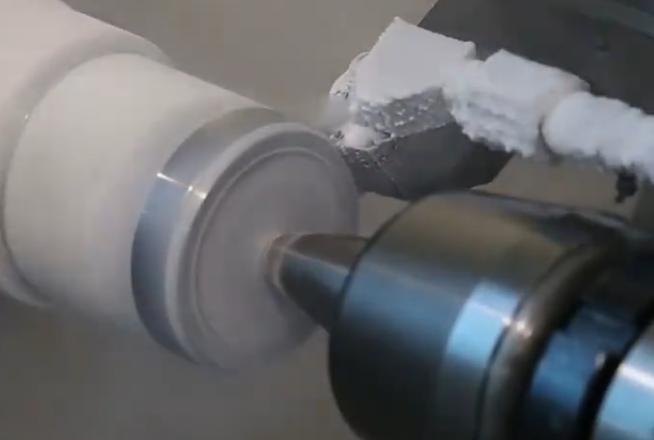
In the landscape of modern civil engineering, the quality of a transport network is defined by the precision of its foundation. As urban centers expand and logistics demands intensify, the pressure on highway durability has reached an all-time high. This evolution has shifted the industry away from rough demolition toward high-tolerance road milling, a process where centimeters matter as much as kilometers.
High-tolerance components in road construction equipment drive performance across the entire lifecycle of a project. Even slight dimensional shifts in a milling drum or an imprecise leveling system can disrupt the asphalt bonding process, reduce the lifespan of the new surface, or compromise vehicular safety. To meet these challenges, reliable machining and robust equipment must hold exact specifications while maintaining consistent production speed.
The Evolution of Precision in Pavement Engineering
Advanced digital sensors, multi-axis leveling systems, and strict quality checks allow contractors to maintain tight tolerances across both short urban patches and massive highway production volumes. This approach improves the IRI (International Roughness Index) scores of completed roads and keeps project timelines predictable by reducing the need for corrective leveling courses of expensive new asphalt.
Why High-Tolerance Machining Matters?
Industrial production in the construction sector depends on uniform output. High-tolerance CNC milling machines ensure that every square meter of a milled surface fits the design profile exactly. Without this precision, paving crews face:
- Increased Material Costs: Imprecise milling depths lead to yield loss, where more asphalt is needed to fill deeper-than-intended holes.
- Structural Failures: Poorly textured surfaces prevent the tack coat from bonding correctly, leading to delamination.
- Project Delays: Frequent manual checks and rework stop the flow of the paving train.
Modern equipment reduces these risks by automating cutting paths and maintaining repeatable accuracy through hydraulic and electronic synchronization. Digital programming eliminates guesswork, supporting consistent results across grueling 24-hour production cycles.
Key Capabilities of XCM Milling Solutions
Industrial clients and large-scale contractors expect more than basic pavement removal. They require full production support, advanced wear-resistant tooling, and consistent output across varied materials, from soft bitumen to reinforced concrete. XCM delivers engineering solutions that integrate with modern infrastructure workflows, ensuring that precision at the machine level translates to durability at the highway level.
Key production capabilities of high-performance milling units include:
- Multi-Point Sensing: Utilizing ultrasonic or laser grade control to manage complex cross-slopes.
- Variable Drum Speeds: Allowing for fine milling textures for surface friction or power milling for deep removals.
- Intelligent Load Management: Adjusting travel speed to engine torque to prevent surface scarring.
- Integrated Dust Extraction: Protecting both the mechanical components and the operator’s environment.
These capabilities allow infrastructure teams to move from the planning phase to the final surface finish without the unpredictability of manual grade adjustments. Consistency across each kilometer reduces the cost-per-ton and improves overall project ROI.
Advanced Equipment and Controlled Workflows
High-tolerance production requires equipment designed for stability. Modern milling centers, whether they are stationary CNC units in a factory or mobile milling machines on a job site, use rigid structures and accurate spindle systems to maintain exact cutting conditions. In the field, this translates to heavy-duty chassis designs that resist the vibrations of high-speed carbide teeth striking hardened concrete.
Furthermore, controlled workflows improve reliability. Standardized procedures for tooth replacement, sensor calibration, and daily inspection ensure that each machine meets the project’s exact specifications. This structured approach protects the machinery’s longevity and keeps the production schedule on track.
Material Versatility and Engineering Support
Industrial manufacturers and road builders work with a wide range of materials, each with unique machining requirements. CNC milling machines support the removal of:
- Modified Bitumen: Requiring high-speed cooling to prevent clogging.
- Cement Concrete: Demanding high-torque, low-speed precision to prevent fracturing.
- Engineered Recycled Materials: Needing specific gradation for immediate reuse in RAP (Recycled Asphalt Pavement) programs.
Engineering support strengthens this production process. Design reviews of the milling drum patterns help identify potential challenges, such as tracking or scuffing, before the project begins. Adjustments made early, such as choosing a fine-tooling drum over a standard one, reduce errors, improve efficiency, and protect the structural integrity of the lower road base.
Quality Control and Performance Protection
In the realm of high-tolerance industrial production, quality assurance happens in real-time. Modern milling units use on-board telematics and measurement tools to confirm that the cutting depth is within the millimeter range of the target.
Standard Quality Control Processes include:
- Real-Time Depth Monitoring: Visual feedback for the operator via grade sensors.
- Surface Texture Verification: Ensuring the macro-texture is suitable for the specific asphalt mix being used.
- Component Documentation: Traceability of wear parts and maintenance to ensure peak performance.
These measures protect the integrity of the project and maintain compliance with international road standards. Consistent quality reduces the likelihood of shoving or rutting in the future, strengthening the contractor's reputation.
The Strategic Advantage of XCM Engineering
In an era of rising material costs and strict environmental regulations, the efficiency of your equipment determines your profit margin. XCM focuses on the intersection of power and precision, ensuring that their milling solutions are not just heavy-duty but smart.
By prioritizing Total Quality Management in the design of their milling drums and electronic control systems, the brand enables contractors to tackle the most demanding industrial applications. The focus remains on providing a stable platform where high-tolerance output is the default, not the exception. This reliability allows firms to bid on complex infrastructure projects with the confidence that their equipment will meet the most stringent specifications.
Conclusion
The industrial world is moving toward a future defined by data-driven precision. From the CNC milling machines that create the gears to the massive road planers that reshape our highways, the demand for high-tolerance output is universal.
Accurate components improve assembly efficiency in the factory, just as accurate milling improves paving efficiency in the field. Stable machining processes protect delivery schedules and reduce operational risks. For the modern CNC milling machines manufacturer and contractor, the choice of equipment is a choice of how they will compete in an increasingly precise marketplace. By utilizing advanced milling technology, industry leaders ensure that every cut, whether in steel or stone, is a step toward perfection.
Optimize Your Production Today!
Are you ready to elevate your project's precision and reduce material waste? Explore the full technical specifications of our high-performance milling systems.
View the XCM Milling Product Catalog or Contact an Engineering Specialist to discuss your custom project requirements.