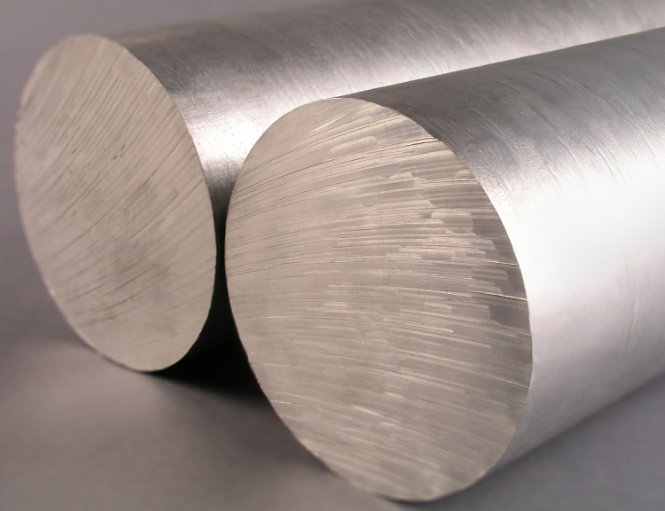
Nickel alloys are a broad family of engineering materials in which nickel is the principal element, typically combined with chromium, iron, molybdenum, copper and other alloying additions. They are selected for combinations of corrosion resistance, high-temperature strength, oxidation resistance, toughness and specific physical properties that cannot be achieved with carbon steels or standard stainless steels.
Fundamentals of Nickel Alloys
Nickel alloys are characterized by their face-centered cubic (FCC) crystal structure over a wide temperature range, giving them excellent toughness and formability. Nickel is highly resistant to many corrosive environments and maintains mechanical properties at elevated temperatures, making these alloys critical in aggressive and high-temperature service.
From a metallurgical standpoint, nickel alloys can be primarily solid-solution strengthened or precipitation-hardened. Solid-solution strengthening is achieved by dissolving alloying elements such as chromium, molybdenum and iron in the nickel matrix. Precipitation-hardening nickel alloys contain elements like aluminum, titanium or niobium that form finely dispersed intermetallic phases during heat treatment, significantly increasing strength.
Nickel alloys also show good compatibility with many other metals, allowing complex multi-material systems such as dissimilar weld joints and cladded components. Many grades are available as wrought products (plate, sheet, strip, bar, tube, pipe, wire) and cast products (pump casings, valve bodies, turbine components).
Classification of Nickel Alloys
Nickel alloys can be grouped based on their primary performance function and typical alloying patterns. Although some grades overlap categories, this classification provides a systematic way to evaluate and select materials.
Corrosion-Resistant Nickel Alloys
These alloys are designed for resistance to general corrosion, pitting and crevice corrosion, stress corrosion cracking (SCC), and various reducing and oxidizing chemical environments.
- Nickel-chromium-molybdenum alloys for strong resistance to oxidizing and reducing acids
- Nickel-molybdenum alloys for strongly reducing media such as hydrochloric acid
- Nickel-copper alloys for seawater and brine service
- Nickel-iron-chromium alloys for broad corrosion and oxidizing environments
These materials are widely used in chemical processing, flue gas desulfurization, pollution control and pharmaceutical equipment where long-term reliability and low corrosion rates are required.
High-Temperature and Heat-Resistant Nickel Alloys
Heat-resistant nickel alloys are formulated for use at elevated temperatures, typically from around 600 °C up to approximately 1100 °C depending on grade. They combine high-temperature strength with oxidation and carburization resistance.
Key subgroups include:
- Solid-solution strengthened nickel-chromium alloys for furnace parts and heat treatment fixtures
- Precipitation-hardened nickel-based superalloys for turbine discs, blades and hot-section components
- Nickel-chromium-iron alloys for power generation and industrial heating equipment
High-temperature nickel alloys maintain creep strength and structural stability longer than most stainless steels in continuous high-temperature service.
Nickel Superalloys
Nickel-based superalloys are a subset of high-temperature alloys optimized for creep strength and microstructural stability at extreme temperatures. They usually contain substantial chromium for oxidation resistance and elements such as aluminum, titanium, niobium, cobalt, tungsten, tantalum and molybdenum for strengthening.
They are designed to operate at temperatures approaching 70–80% of their melting point. Fine control of composition and heat treatment leads to a microstructure typically containing a gamma (γ) matrix and strengthening gamma prime (γ′) and sometimes gamma double prime (γ″) precipitates.
Nickel-Copper and High-Nickel Copper Alloys
Nickel-copper alloys provide excellent resistance in seawater, brines and non-oxidizing salts and acids. They exhibit good mechanical properties over a broad temperature range and good resistance to stress corrosion cracking in chloride environments compared to many stainless steels.
Nickel-Iron and Controlled-Expansion Alloys
Nickel-iron alloys are used where specific thermal expansion coefficients, magnetic properties or electrical resistance are needed.
Examples include:
- Low-expansion alloys for glass-to-metal seals and precision instruments
- Magnetically soft alloys for transformer cores and shielding
- High-resistance alloys for electrical heating elements
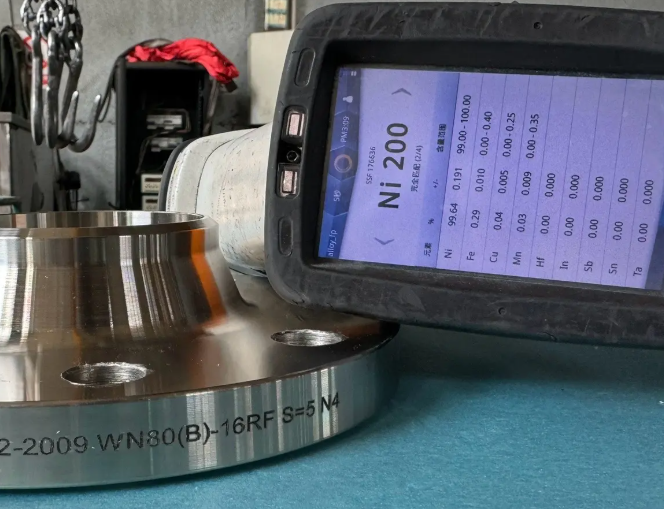
Chemical Composition and Typical Alloying Elements
Nickel alloys derive their performance from carefully balanced alloying additions. The most common alloying elements and their functions are summarized in the table below.
| Element | Typical Content Range (wt%) | Main Functions in Nickel Alloys |
|---|---|---|
| Nickel (Ni) | Base to >60 | Matrix element, corrosion resistance, toughness, high-temperature strength, FCC stability |
| Chromium (Cr) | 0–30 | Oxidation resistance, passivation in many aqueous environments, improved high-temperature strength |
| Molybdenum (Mo) | 0–30 | Pitting and crevice corrosion resistance, resistance to reducing acids, solid-solution strengthening |
| Iron (Fe) | 0–40 | Cost reduction, solid-solution strengthening, influences thermal expansion and phase stability |
| Copper (Cu) | 0–70 | Resistance to non-oxidizing acids (e.g., HF, HCl), seawater corrosion resistance |
| Aluminum (Al) | 0–7 | Precipitation strengthening (γ′), oxidation resistance, modifies density and thermal properties |
| Titanium (Ti) | 0–6 | Precipitation strengthening (γ′), grain refinement, improves creep strength |
| Niobium (Nb) | 0–6 | Precipitation strengthening (γ″, carbides), resistance to sensitization in some grades |
| Cobalt (Co) | 0–20 | High-temperature strength, solid-solution strengthening, influences phase stability |
| Tungsten (W) | 0–12 | Solid-solution strengthening, creep resistance at high temperatures |
| Tantalum (Ta) | 0–8 | Carbide and intermetallic formation, creep strength, corrosion resistance in some media |
| Carbon (C) | 0.01–0.2 | Carbide formation, grain boundary strengthening, affects weldability and toughness |
| Silicon (Si), Manganese (Mn) | 0–2 | Deoxidation during melting, influences hot working behavior |
Key Mechanical and Physical Properties
Nickel alloys are selected based on a combination of mechanical and physical properties. Property values vary by grade and product form; obtaining precise datasheet values from producers or standards is essential for design calculations.
Mechanical Properties
Typical ranges for wrought corrosion-resistant and high-temperature nickel alloys at room temperature include:
- 0.2% proof stress (yield strength): approximately 200–550 MPa for solid-solution alloys, higher for precipitation-hardened grades
- Tensile strength: approximately 500–1100 MPa
- Elongation: typically 25–60% in 50 mm for annealed solid-solution alloys
- Hardness: usually around 150–300 HBW in annealed condition, higher after hardening treatments
Creep and stress-rupture properties at elevated temperature are critical for superalloys. Design stresses are usually derived from time-dependent tests (e.g., 10 000 to 100 000 hour rupture strength) and are typically specified in pressure vessel and piping codes.
Physical Properties
Important physical properties include:
- Density: typically 8.2–8.9 g/cm³ depending on composition
- Melting range: generally around 1300–1400 °C for many nickel-chromium alloys
- Thermal conductivity: lower than carbon steel; typically around 10–20 W/m·K at room temperature
- Coefficient of thermal expansion: generally comparable to or slightly higher than austenitic stainless steels for many grades
- Electrical resistivity: higher than carbon steel, favorable for heating elements and some electrical applications
Corrosion Behavior and Environmental Resistance
Corrosion resistance is one of the primary reasons for selecting nickel alloys. Their performance varies significantly based on composition and environment; therefore, understanding specific corrosion modes is essential for material selection.
General Corrosion
Nickel alloys can provide low general corrosion rates in many acidic and neutral solutions. Nickel-molybdenum alloys are particularly suited to strongly reducing environments, while nickel-chromium-molybdenum alloys withstand both oxidizing and reducing conditions. Nickel-copper alloys function well in neutral and alkaline media, including seawater.
Pitting and Crevice Corrosion
Localized attack such as pitting and crevice corrosion in chloride-containing solutions is strongly influenced by chromium and molybdenum contents. Higher chromium improves passivation, while molybdenum enhances repassivation and resistance to localized breakdown of the passive film. Some high-alloy nickel-chromium-molybdenum grades exhibit significantly higher pitting and crevice corrosion resistance than standard austenitic stainless steels.
Stress Corrosion Cracking
Many nickel alloys demonstrate high resistance to chloride-induced stress corrosion cracking compared to stainless steels. However, certain environments, such as caustic solutions, hot concentrated chlorides or specific high-pH media, may still cause cracking under tensile stress. Proper stress relief, avoidance of residual tensile stresses and control of operating conditions are important considerations.
Sulfur-Containing and Reducing Environments
In environments containing hydrogen sulfide, elemental sulfur or sulfide scales, nickel alloys often provide better resistance than stainless steels. Alloy selection typically depends on the severity of conditions (partial pressure of H2S, temperature, chloride concentration) and may require adherence to application-specific standards in oil and gas service.
Acids, Alkalis and Halides
Nickel alloys are widely used in chemical processes involving:
- Hydrochloric acid and hydrofluoric acid at various concentrations and temperatures
- Sulfuric and phosphoric acids in mixed conditions with halides
- Caustic alkalis at moderate to high temperatures
- Wet halogen gases and associated condensates
The suitability of individual alloys is strongly dependent on acid concentration, temperature, presence of oxidizing contaminants and other species. Laboratory corrosion data and application experience are important for final selection.
Heat Resistance, Creep and Oxidation Behavior
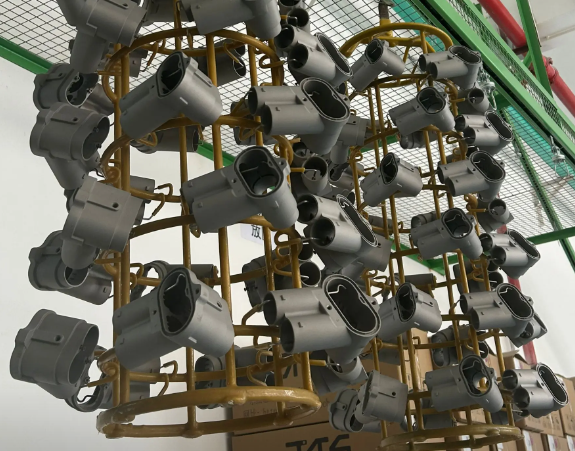
Heat-resistant nickel alloys maintain mechanical properties and structural stability at elevated temperatures, making them suitable for furnace components, heat treatment fixtures, power generation and gas turbine parts.
Oxidation and Carburization Resistance
High chromium content enhances oxidation resistance by forming protective oxide films on the surface. Aluminum additions further improve scale adhesion and stability at very high temperatures. Carburization resistance is improved by specific alloying and sometimes by surface treatments. In some environments, alloy selection needs to consider simultaneous exposure to oxidation, carburization, nitridation and erosion.
Creep and Stress Rupture
Nickel superalloys are engineered to resist creep deformation and stress rupture at temperatures where conventional steels lose strength. Design data usually specify allowable stresses for defined lifetimes. These values depend on microstructure, grain size, precipitation state and service temperature.
Thermal Fatigue
Repeated thermal cycling can cause thermal fatigue cracking, especially in components subject to temperature gradients and constrained expansion. Nickel alloys, with their combination of ductility and high-temperature strength, are often selected where thermal fatigue is a key consideration, such as exhaust systems, flue gas components and furnace parts.
Forms, Product Types and Manufacturing
Nickel alloys are supplied in a variety of product forms, each requiring specific processing routes and associated controls. Understanding available forms and typical manufacturing steps facilitates efficient design and procurement.
Wrought Products
Common wrought forms include plate, sheet, strip, bar, wire, tube and pipe. Production routes typically involve:
- Primary melting and refining (e.g., electric arc, vacuum induction melting, vacuum arc remelting)
- Hot working (forging, rolling, extrusion)
- Cold working as required for final thickness and mechanical properties
- Annealing or solution treatment to restore ductility and adjust microstructure
Cast Products
Casting processes for nickel alloys include sand casting, investment casting and centrifugally cast tubes and fittings. For high-temperature turbine components, advanced casting technologies such as directionally solidified and single-crystal casting are used to optimize creep strength and fatigue resistance.
Clad and Lined Products
To balance performance and cost, nickel alloys are often used as cladding or lining materials over lower-alloy substrates. Techniques include:
- Explosion cladding of plates
- Roll bonding
- Weld overlay cladding of pressure boundaries and piping
Proper design must address differential thermal expansion and weldability between the cladding alloy and base material.
Standards, Grades and Designations
Nickel alloys are covered by multiple international standards. Common designation systems include UNS (Unified Numbering System), ASTM/ASME material specifications and ISO or EN standards. Producer trade names are also widely used in industry.
| Alloy Type (General) | Typical UNS / Standard Example | Key Characteristics | Representative Applications |
|---|---|---|---|
| Nickel-chromium-iron alloy | UNS N06600 series | Good high-temperature strength, oxidation resistance, moderate corrosion resistance | Heat exchangers, furnace components, nuclear steam generator tubing |
| Nickel-chromium-molybdenum alloy | UNS N10276 series | High resistance to pitting, crevice and stress corrosion cracking in mixed acid environments | Chemical reactors, scrubbers, downhole tubulars, pollution control |
| Nickel-molybdenum alloy | UNS N10665 series | Excellent resistance to strong reducing acids such as hydrochloric acid | Acid production, pickling equipment, agitators, pumps |
| Nickel-copper alloy | UNS N04400 series | Seawater and brine resistance, good toughness over wide temperature range | Marine hardware, pump shafts, seawater valves, heat exchangers |
| Nickel-based precipitation-hardened superalloy | UNS N07718 series | High strength up to intermediate high temperatures, good fatigue and creep resistance | Aerospace fasteners, turbine components, high-pressure bolts |
| Heat-resistant nickel-chromium alloy | UNS N07080 series | Excellent high-temperature strength and oxidation resistance | Gas turbine components, furnace parts, petrochemical heaters |
| Controlled expansion nickel-iron alloy | Typical low-expansion grades | Low coefficient of thermal expansion, dimensional stability | Glass-to-metal seals, precision instruments, electronic components |
Design and Alloy Selection Considerations
Choosing a nickel alloy requires balancing corrosion behavior, mechanical performance, fabrication requirements, code compliance and lifecycle cost. Proper selection minimizes unplanned downtime, premature failure and excessive maintenance.
Service Environment and Corrosion Requirements
Key parameters include process temperature, pressure, fluid composition, flow regime, presence of solids, oxygen content and contaminants. Designers should evaluate:
- Type of corrosive species (chlorides, sulfides, acids, alkalis, halogens)
- Likelihood of localized corrosion such as pitting and crevice attack
- Possible stress corrosion cracking mechanisms
- Potential for erosion-corrosion due to high flow velocities or entrained solids
Service data, laboratory corrosion testing and field experience are commonly combined to select a suitable grade.
Mechanical Loading and Operating Temperature
Mechanical design must account for static stresses, cyclic loading, vibration and thermal stresses. At elevated temperatures, creep and stress rupture behavior determine allowable stresses and component thickness. For rotating equipment and high-speed applications, fatigue strength and notch sensitivity are important.
Fabrication, Welding and Joining
Some nickel alloys are easier to fabricate than others. Factors affecting fabrication include work hardening rate, hot-working temperature range and susceptibility to cracking. Weldability varies with alloy composition and product form. When extensive welding is required, weld procedure qualification testing and selection of appropriate filler materials are essential.
Availability and Product Forms
For practical implementation, engineers must verify availability of plates, bars, tubes, fittings and fasteners in the selected alloy, including delivery times and dimensional limits. In some cases, design adjustments may be required to align with standard product sizes.
Lifecycle and Maintenance Considerations
While nickel alloys may have higher initial material cost compared to carbon steels, reduced maintenance, extended service life and improved plant uptime can offset these costs. Lifecycle assessment should include inspection intervals, repair techniques, expected corrosion allowance and potential production losses due to failure.
Fabrication, Forming and Machining
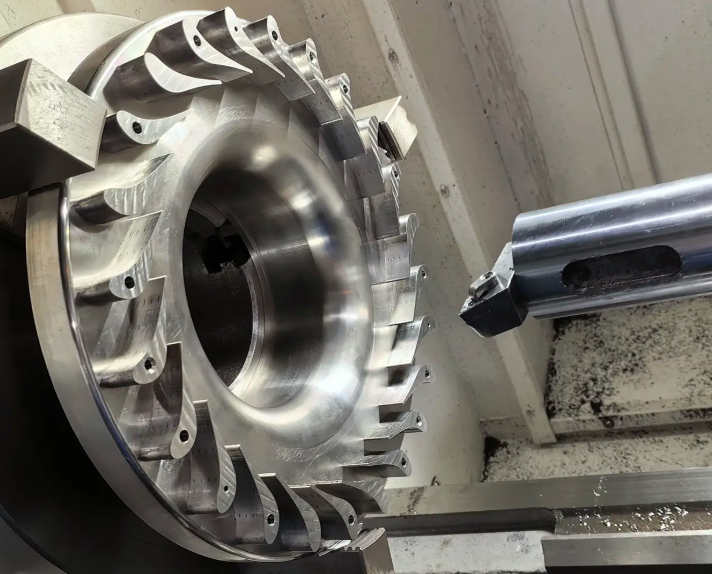
Fabrication of nickel alloys requires understanding of their work hardening behavior and machining characteristics. Proper tooling and process control are essential for consistent results.
Cold Forming and Hot Working
Nickel alloys typically exhibit significant work hardening. Cold forming operations such as bending, drawing and rolling should be performed with appropriate intermediate anneals to restore ductility. Minimum bend radii and maximum forming reductions depend on alloy and temper.
Hot working of nickel alloys is performed within a defined temperature range to avoid cracking and ensure adequate deformation. Typical hot working temperature windows are alloy-specific and are usually below incipient melting but high enough to reduce flow stress. Rapid cooling after hot working helps control grain size and prevent undesirable precipitation.
Machining Characteristics
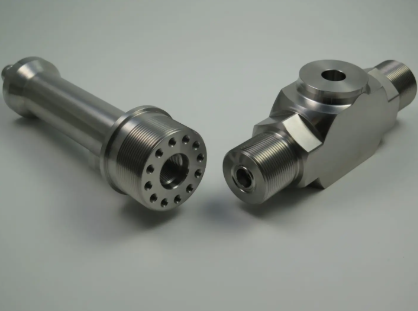
Nickel alloys are generally more difficult to machine than carbon steels due to high work hardening rates, toughness and low thermal conductivity. This leads to higher cutting forces, increased tool wear and greater heat concentration at cutting edges.
Common machining considerations include:
- Use of rigid machine setups to minimize vibration and chatter
- Appropriate tool materials (often carbide or advanced tool materials) with optimized geometry
- Moderate cutting speeds with adequate feed to cut beneath the work-hardened layer
- Generous use of cutting fluids for cooling and chip evacuation
Machining allowances should be provided in the design stage, particularly for thick sections and complex components.
Welding and Joining of Nickel Alloys
Welding quality has a significant impact on the performance of nickel alloy components, particularly in aggressive environments and high-temperature service. Proper procedures minimize defects and maintain corrosion resistance and mechanical properties.
Common Welding Processes
Nickel alloys are routinely welded using processes such as:
- Gas tungsten arc welding (GTAW/TIG) for high-quality, controlled welds, especially in thin sections
- Gas metal arc welding (GMAW/MIG) for higher productivity in thicker sections
- Shielded metal arc welding (SMAW) for site work and repairs
- Submerged arc welding (SAW) for heavy-wall plate and long welds
Filler Metal Selection
Filler metals are usually matched to the base alloy or slightly over-alloyed to ensure adequate weld metal corrosion resistance and mechanical properties. When welding dissimilar joints, such as nickel alloy to stainless steel or carbon steel, suitable transition fillers are applied to manage differences in composition and thermal expansion.
Control of Heat Input and Interpass Temperature
Heat input and interpass temperature are controlled to reduce the risk of hot cracking, segregation and undesirable precipitation. Excessive heat input can degrade corrosion resistance by coarsening microstructures or forming detrimental phases along grain boundaries. For precipitation-hardened superalloys, post-weld heat treatment may be required to restore or optimize properties.
Heat Treatment of Nickel Alloys
Heat treatment is used to control microstructure, mechanical properties and stress levels. Different alloy families require specific heat treatment sequences.
Solution Annealing
Solid-solution strengthened corrosion-resistant nickel alloys are typically solution annealed at high temperatures followed by rapid cooling, often water quenching or rapid air cooling. This treatment dissolves precipitates, homogenizes the structure, restores ductility after cold work and maximizes corrosion resistance.
Precipitation Hardening
Precipitation-hardened nickel alloys undergo solution treatment followed by controlled aging at intermediate temperatures. During aging, fine precipitates form, significantly increasing yield and tensile strengths. Aging parameters (time and temperature) are selected according to the alloy and required properties, and overaging must be avoided to prevent loss of strength.
Stress Relief
Stress relief heat treatments at moderate temperatures can reduce residual stresses from cold work or welding without substantially altering microstructure. This may be important to reduce distortion, minimize stress corrosion cracking susceptibility and improve dimensional stability in service.
Typical Applications by Industry
Nickel alloys are widely used in sectors where reliability under demanding conditions is essential. The following list summarizes key application areas and corresponding alloy features.
Aerospace and Gas Turbines
Nickel-based superalloys are the primary materials for turbine discs, blades, vanes, combustion liners and other hot-section components. Their strength and creep resistance at elevated temperatures enable higher operating temperatures and improved turbine efficiency. High-temperature alloys are also used in exhaust systems, afterburners and rocket engine components.
Chemical Processing
Chemical process plants use nickel alloys for reactors, heat exchangers, columns, piping systems, pumps and valves. Applications include handling strong acids, mixed media and complex streams in fertilizer production, petrochemicals, organic and inorganic chemicals, and pharmaceutical processes. Corrosion-resistant nickel alloys reduce unplanned shutdowns and contamination risks.
Oil, Gas and Petrochemical
In oil and gas production, nickel alloys are applied in downhole tubulars, wellhead components, subsea equipment, valves and pumps exposed to sour conditions with hydrogen sulfide, carbon dioxide and chlorides. Corrosion and stress corrosion cracking resistance, combined with adequate mechanical strength, supports safe long-term operation. In refining and petrochemical plants, nickel alloys are used in hydroprocessing reactors, high-temperature furnaces and catalytic reforming units.
Power Generation
Nickel alloys serve in steam generators, boiler components, superheaters, reheaters and flue gas desulfurization equipment. In nuclear power, specific nickel alloys are used in steam generator tubing, control rod drive mechanisms and corrosion-resistant structural parts.
Marine and Desalination
Nickel-copper and nickel-chromium alloys are used in seawater-cooled heat exchangers, piping systems, offshore platform components and desalination plant equipment. Their resistance to seawater corrosion and biofouling, along with good mechanical properties, contribute to extended service life in marine environments.
Electronics, Instrumentation and Special Applications
Controlled-expansion nickel-iron alloys are used in glass-to-metal seals, electronic packages and precision instruments where dimensional stability is important. High-resistance nickel alloys are used in electrical heating elements, resistors and control devices. Magnetically soft nickel alloys appear in transformers, inductors and shielding components.
Common Practical Considerations and Potential Issues
When implementing nickel alloys in engineering projects, several practical issues should be evaluated to avoid performance or fabrication problems.
Material Selection Accuracy
Mismatching an alloy to the actual service environment can lead to unforeseen corrosion modes, such as pitting or stress corrosion cracking. Detailed process characterization and consultation of reliable corrosion data are necessary. Using generic names without precise grade identification can cause confusion and misapplication.
Fabrication and Welding Constraints
Improper welding procedures may cause defects, reduced corrosion resistance or cracking. Qualified welding procedures, welder training and appropriate non-destructive examination (NDE) are important quality measures. Similarly, heavy cold work without proper annealing may increase residual stress and reduce resistance to corrosion and fatigue.
Inspection and Quality Control
Because nickel alloys are often used in critical services, quality control is stringent. Typical measures include:
- Chemical analysis verification
- Mechanical testing (tensile, hardness, impact) as required by standards
- Non-destructive testing of welds and critical components (radiography, ultrasonic, liquid penetrant)
- Dimensional inspections and surface finish control
Compatibility with Other Materials
Galvanic coupling to less noble metals, such as carbon steel or aluminum, can promote galvanic corrosion in conductive media if not managed. Insulating joints, careful design of contact areas and control of electrolyte exposure are often necessary. Dissimilar metal welds require special filler metals and joint designs.
Inspection, Maintenance and Service Monitoring
Even with high-performance alloys, periodic inspection and monitoring are used to confirm condition and anticipate maintenance needs. Techniques include thickness measurements, surface examination, weld inspection and corrosion monitoring probes or coupons. Data from these activities help assess corrosion rates and predict remaining life.
Summary
Nickel alloys offer a diverse set of properties including corrosion resistance, high-temperature strength, oxidation resistance and tailored physical characteristics. Through careful selection of alloy composition, product form, heat treatment and fabrication procedures, they can reliably serve in some of the most demanding engineering environments. Understanding their classification, properties, corrosion behavior, fabrication requirements and typical applications provides a solid foundation for effective use in design and operation.
FAQ
What are nickel alloys?
Nickel alloys are metallic materials primarily composed of nickel combined with elements such as chromium, iron, molybdenum, or cobalt to enhance strength, corrosion resistance, and heat tolerance.
Why are nickel alloys corrosion resistant?
Nickel forms a stable oxide layer on the surface, which protects the underlying metal from oxidation, rust, and chemical attack in harsh environments.
What is the difference between stainless steel and nickel alloys?
Stainless steel is iron-based with chromium as the main alloying element, while nickel alloys are nickel-based and typically offer superior high-temperature strength and corrosion resistance.
Are nickel alloys expensive?
Nickel alloys are generally more expensive than common steels due to the cost of raw materials and complex manufacturing processes, but their performance often justifies the price in critical applications.
What industries rely most on nickel alloys?
Aerospace, oil and gas, nuclear energy, marine engineering, and chemical processing industries depend heavily on nickel alloys for safety and reliability.