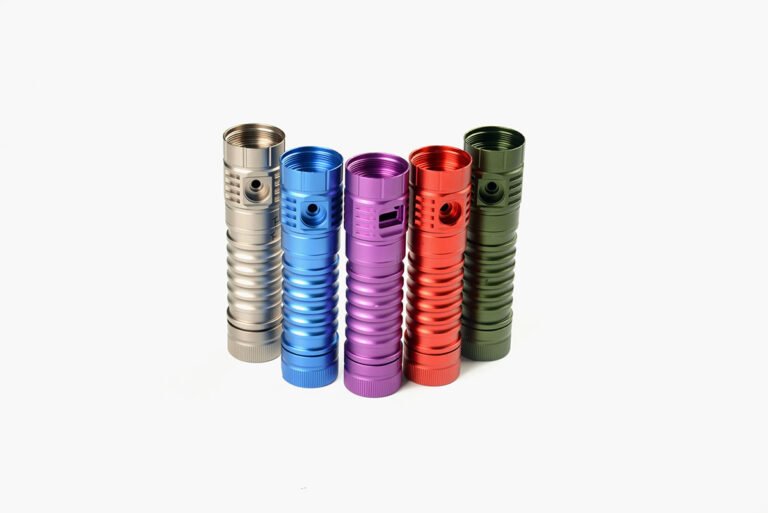
Hard anodizing services are widely used to improve the surface performance of aluminum components, especially where outstanding wear resistance, low friction, and high corrosion resistance are required. This guide explains the fundamentals, technical parameters, process flow, material compatibility, quality control, and cost structure of hard anodizing so that engineers, buyers, and project managers can specify and source the service more effectively.
What Is Hard Anodizing
Hard anodizing, also called hard coat anodizing or Type III anodizing (per MIL-A-8625), is an electrochemical process that converts the surface of aluminum into a thick, dense aluminum oxide (alumina) layer. Compared with standard (decorative) anodizing, hard anodizing produces significantly thicker and harder coatings, typically 25–75 μm in thickness, with a tightly controlled microstructure.
The process is performed in an acid electrolyte under controlled low temperatures and relatively high current densities. The resulting oxide is integral with the base metal; it is not a deposited layer. This makes the coating very adherent and dimensionally stable compared with many other surface treatments.
Key Benefits and Performance Characteristics
Hard anodizing is selected primarily for functional performance. The main characteristics include:
- High wear resistance for sliding and abrasive contacts
- Improved corrosion resistance compared with bare aluminum
- Higher surface hardness than standard anodizing
- Good dielectric properties (insulating capability) in many environments
- Improved fatigue performance when properly controlled
Because the coating is predominantly aluminum oxide, it is chemically stable in many environments and maintains performance over a wide temperature range, as long as thermal shock and differential expansion are considered in design.
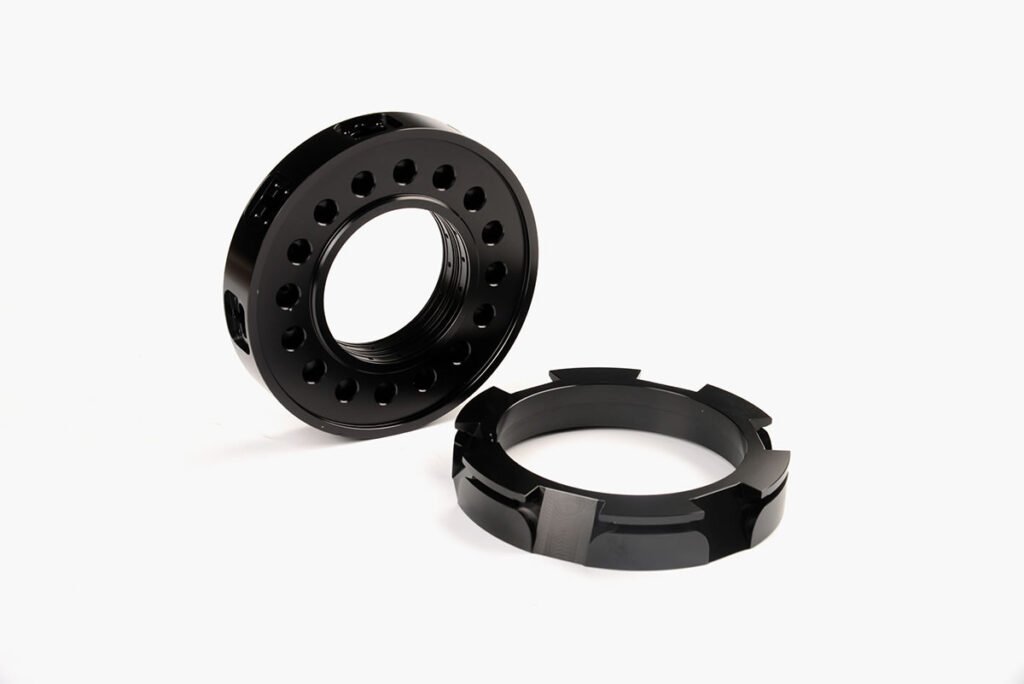
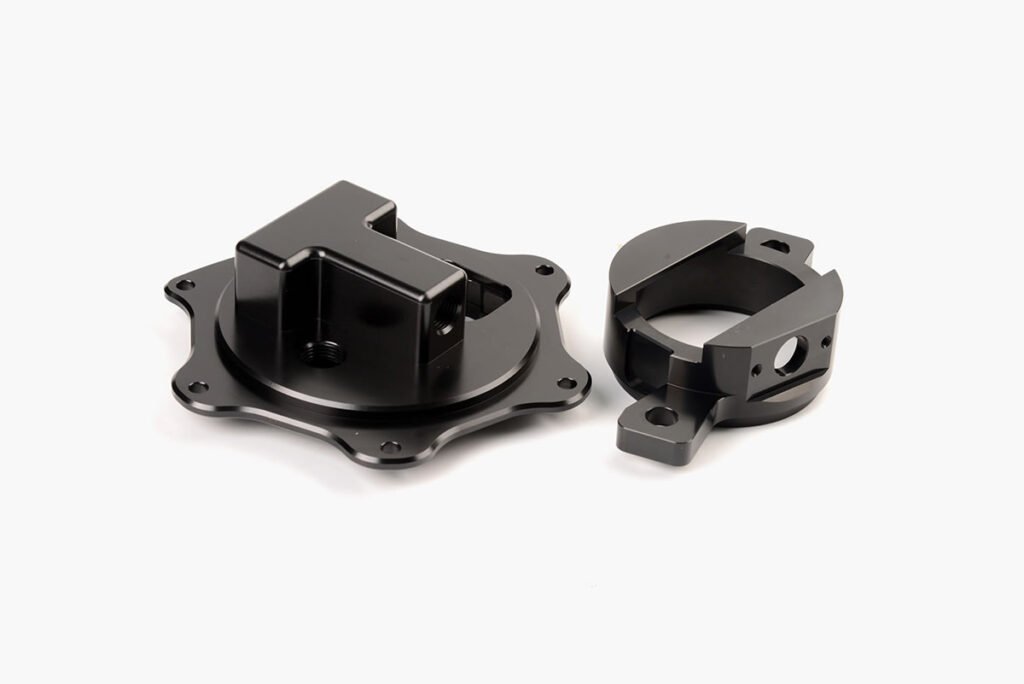
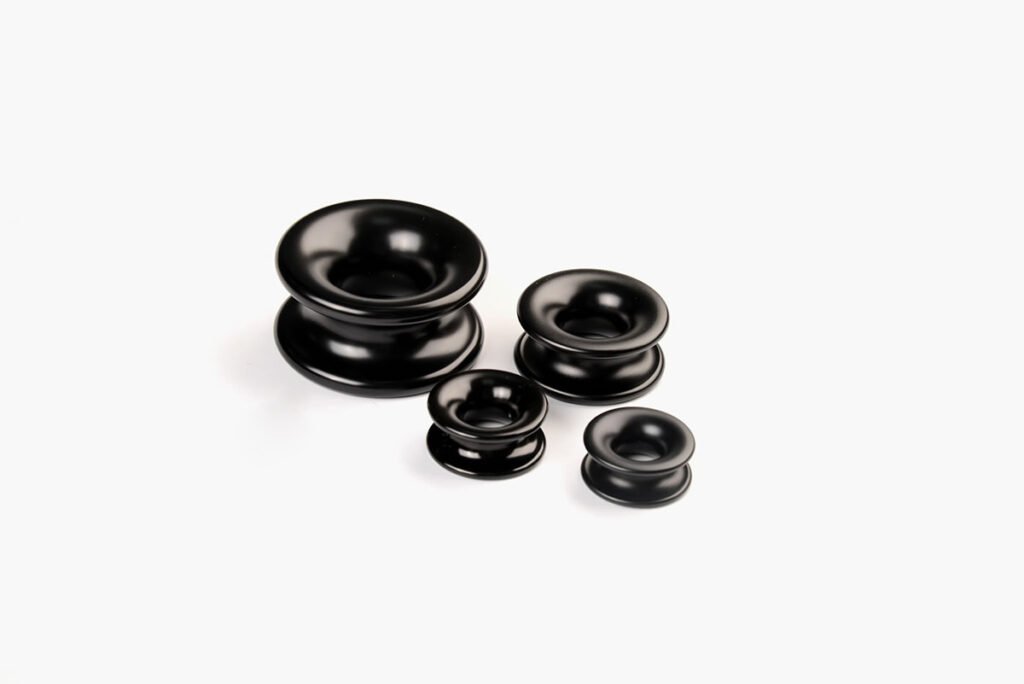
Hard Anodizing vs Standard (Decorative) Anodizing
Standard sulfuric acid anodizing, often called Type II anodizing, is typically used for decorative and general corrosion protection purposes. Hard anodizing is a more demanding variant with different process conditions and performance characteristics.
| Parameter | Hard Anodizing (Type III) | Standard Anodizing (Type II) |
|---|---|---|
| Typical coating thickness | 25–75 μm (0.001–0.003 in), can be higher with special control | 5–25 μm (0.0002–0.001 in) |
| Process temperature | Low temperature, often -5 to +5 °C | Typically around 18–22 °C |
| Current density | High (e.g., 2–6 A/dm², 12–40 A/ft²) | Lower (e.g., 1–2 A/dm², 6–12 A/ft²) |
| Surface hardness | Up to about 400–600 HV depending on alloy and conditions | Typically around 250–350 HV |
| Primary purpose | Wear resistance, functional surfaces, high durability | Appearance, moderate wear and corrosion protection |
| Colorability | Limited dye penetration; typically dark gray to black on many alloys | Good dyeability, wide color range |
| Dimensional change | More significant; close tolerance consideration is critical | Moderate; easier to accommodate on many decorative parts |
Understanding these differences allows better selection between hard and standard anodizing depending on the part’s required function and dimensional tolerance.
Core Process Principles of Hard Anodizing
Hard anodizing is an electrolytic oxidation process. The aluminum workpiece acts as the anode, and an acid aqueous solution, typically sulfuric acid-based, serves as the electrolyte.
When direct current is applied:
- Aluminum at the surface oxidizes to aluminum oxide (Al₂O₃)
- Oxygen ions migrate toward the metal/oxide interface, thickening the oxide layer
- The existing oxide layer is simultaneously dissolved by the acidic electrolyte
Hard anodizing is achieved by balancing oxide formation and dissolution. Low electrolyte temperature reduces dissolution and allows a thicker, denser oxide layer to build. High current density increases the rate of oxide formation.
The resulting coating has two primary regions:
- Barrier layer: A thin, compact layer directly at the metal interface, contributing to dielectric properties.
- Porous layer: A thicker outer region with microscopic pores, which can absorb sealing agents and lubricants.
Detailed Hard Anodizing Process Flow
Although each service provider may have proprietary refinements, a typical industrial hard anodizing line follows these steps:
1) Incoming Inspection and Pre-Process Evaluation
Before any treatment, parts are inspected to verify that the base material and geometry are suitable for hard anodizing. Important checks include:
- Alloy and temper confirmation
- Detection of prior coatings, contaminants, or welds
- Dimensional check on critical areas
- Evaluation of masking requirements for non-anodized surfaces
2) Cleaning and Degreasing
Surface cleanliness is essential. Oils, cutting fluids, and contaminants can cause burning, uneven coating, or adhesion problems. Typical cleaning steps include:
- Alkaline soak cleaning or detergent cleaning
- Ultrasonic cleaning for small or complex parts
- Rinses between steps to avoid contamination carryover
3) Alkaline Etching (If Required)
Alkaline etching removes a small amount of material and produces a uniform matte finish. For tight tolerance parts, etch time and concentration are carefully controlled or minimized to avoid excessive dimensional loss.
4) Desmutting
After etching, intermetallic constituents or smut are removed in a desmut solution, often based on nitric acid or other proprietary formulations. Proper desmutting improves coating consistency, particularly on alloys with higher copper or silicon content.
5) Masking of Non-Anodized Areas
Certain areas, such as threads, sealing surfaces, or electrical contact points, may need to remain bare. These zones are protected using:
- High-temperature masking tapes
- Custom silicone or polymer plugs and caps
- Rack design that shields specific areas
Masking materials must withstand the anodizing temperature, electrolyte, and mechanical handling without leakage.
6) Racking and Electrical Contact
Racking provides mechanical support and electrical connection to the parts. Good contact is critical because high current densities are used in hard anodizing. Considerations include:
- Using aluminum or titanium racks suitable for the electrolyte
- Ensuring low resistance contact points to prevent burning
- Positioning parts to promote uniform current distribution and minimize air pockets
7) Hard Anodizing Electrolytic Treatment
The core step is immersion of racked parts into a chilled acid electrolyte while applying direct current. Typical parameters (not universal) include:
- Electrolyte: Sulfuric acid solution, often 150–250 g/L, sometimes with additives
- Temperature: Approximately -5 to +5 °C
- Current density: Commonly 2–6 A/dm² (12–40 A/ft²)
- Voltage: Rising during the process, often reaching 40–90 V, depending on alloy and desired thickness
- Time: Adjusted to achieve target coating thickness, often 20–90 minutes
The process may use constant current, constant voltage, or stepped profiles. Agitation and efficient cooling are important to maintain uniform temperature and solution composition around the parts.
8) Rinsing After Anodizing
Immediately after anodizing, parts are rinsed in deionized or clean water to remove residual electrolyte from pores and surfaces. Proper rinsing helps avoid contamination of subsequent baths and prevents staining.
9) Sealing (Optional or Application-Dependent)
Hard anodic coatings can be left unsealed for maximum hardness and dimensional stability, or sealed to improve corrosion resistance and reduce porosity. Common sealing types include:
- Hot water sealing (hydrothermal): Converts some aluminum oxide to boehmite, swelling and closing pores.
- Nickel acetate sealing: Enhances corrosion resistance; often used where appearance matters.
- Impregnation with lubricants or dry-film lubricants: Used for sliding components requiring low friction.
Sealing may slightly reduce hardness and can alter dimensions marginally, so the decision to seal is based on application requirements.
10) Drying, Demasking, and Post-Process Operations
After sealing and final rinses, parts are dried thoroughly. Masking is removed, and any post-anodizing operations (such as precision honing, lapping, or assembly) are carried out. Final inspection verifies that masking boundaries are clean and that surfaces are free from staining and mechanical damage.
Typical Coating Thickness and Dimensional Change
Hard anodizing introduces a measurable dimensional change, which must be considered when designing parts and specifying tolerances.
Main points:
- Coating thickness: Typically 25–75 μm (0.001–0.003 in), though higher is possible with specialized processes.
- Growth vs penetration: About half the coating thickness builds outward from the original surface and half penetrates into the metal substrate. A common engineering approximation is 50% growth, 50% penetration, though the exact ratio can vary with alloy and process conditions.
| Nominal Coating Thickness | Approx. Dimensional Growth per Surface | Approx. Diameter Increase (OD) or Decrease (ID) |
|---|---|---|
| 25 μm (0.001 in) | ≈ 12–13 μm (0.0005 in) | ≈ 25 μm (0.001 in) on diameter |
| 50 μm (0.002 in) | ≈ 25 μm (0.001 in) | ≈ 50 μm (0.002 in) on diameter |
| 75 μm (0.003 in) | ≈ 37–38 μm (0.0015 in) | ≈ 75 μm (0.003 in) on diameter |
For close-tolerance bores, threads, or fits, it is common to pre-machine features undersize or oversize to compensate for expected anodic growth. Precise compensation should be discussed with the anodizing service provider, who can reference their process history for specific alloys and thicknesses.
Material Compatibility: Best Aluminum Alloys for Hard Anodizing
Most wrought aluminum alloys can be hard anodized, but coating quality, color, and achievable thickness vary. In general, lower alloyed, high-purity aluminum produces denser, more uniform coatings. Alloys with high copper or silicon content usually anodize darker and may exhibit slightly lower corrosion resistance.
Typical suitability overview:
- 5000 series (Al-Mg): Good to very good for hard anodizing, often with good corrosion resistance.
- 6000 series (Al-Mg-Si): Widely used for structural and machined components; suitable for hard anodizing. 6061-T6 is especially common.
- 2000 series (Al-Cu): Hard anodizing is possible, but coatings may be darker and slightly less corrosion resistant.
- 7000 series (Al-Zn-Mg): Many alloys in this series hard anodize well, though care must be taken with stress-corrosion cracking risk in service.
- Cast aluminum alloys: Anodizing quality varies widely; high silicon content can lead to gray, mottled coatings.
Other metals like magnesium and titanium can be anodized, but they use different electrolytes and process parameters and are typically not referred to as hard anodizing in the aluminum sense.
Mechanical and Physical Properties of Hard Anodized Layers
Hard anodic coatings modify the mechanical and physical behavior of the surface without significantly altering bulk properties of the aluminum substrate.
Wear Resistance
Hard anodizing significantly improves resistance to abrasion and sliding wear. Coatings can withstand repetitive contact and load-bearing conditions if properly supported by sufficient substrate thickness and mechanical design. Wear performance is influenced by:
- Coating thickness and hardness
- Surface finish after anodizing (as-anodized vs ground or lapped)
- Lubrication (dry, boundary lubrication, or impregnated lubricants)
- Counterface material (steel, polymer, other aluminum, etc.)
Hardness
Surface hardness is often measured by Vickers (HV) or microhardness methods. Typical ranges for hard anodized coatings are roughly:
- About 350–600 HV, depending on alloy, electrolyte, and thickness
- Harder than most untreated aluminum alloys, approaching the hardness of some hardened steels at the surface
This hardness is beneficial for wear resistance but also means the surface can be brittle; sharp impacts may cause micro-chipping if not supported by adequate substrate strength.
Corrosion Resistance
Hard anodizing improves corrosion resistance by creating an oxide barrier that slows metal dissolution and provides electrical insulation from corrosive environments. Sealed hard anodized coatings generally offer better corrosion resistance than unsealed coatings, especially in chloride-containing environments. However, coating defects, thin spots on sharp edges, and uncoated areas (such as threads or masked regions) can still corrode and must be considered in design.
Dielectric Properties
Aluminum oxide is an electrical insulator. Hard anodized layers can provide substantial dielectric strength, often used for electrical isolation in components such as housings, heat sinks, and fixtures. Dielectric performance depends on:
- Coating thickness and density
- Presence or absence of sealing
- Surface contamination and moisture
- Operating temperature and environment
Surface Finish and Appearance
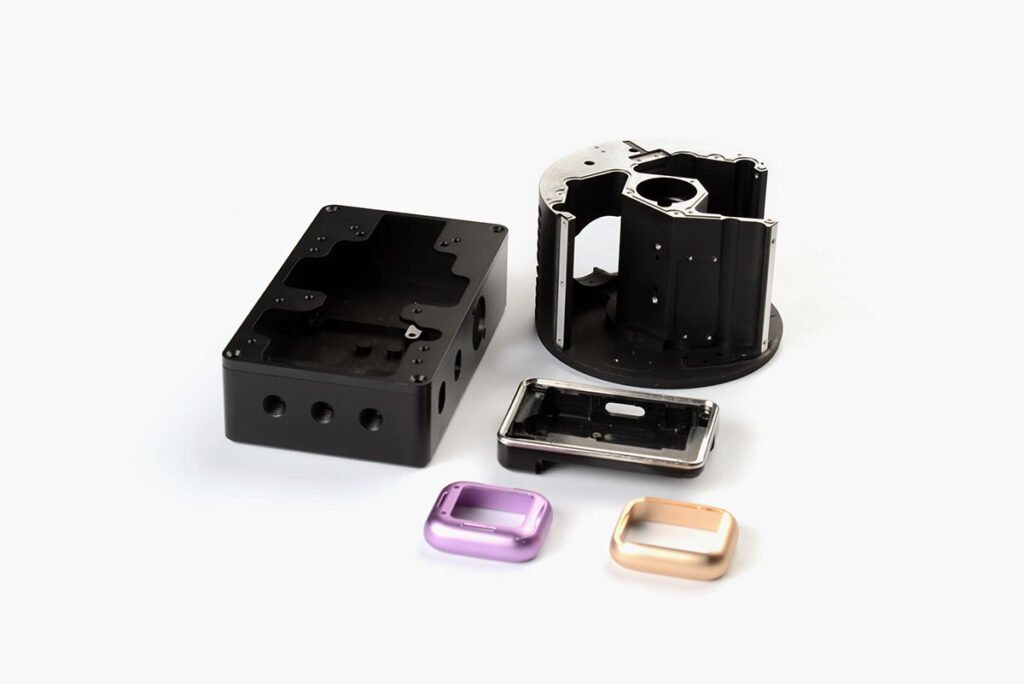
Hard anodizing is mainly functional, but appearance can still be important. Typical features include:
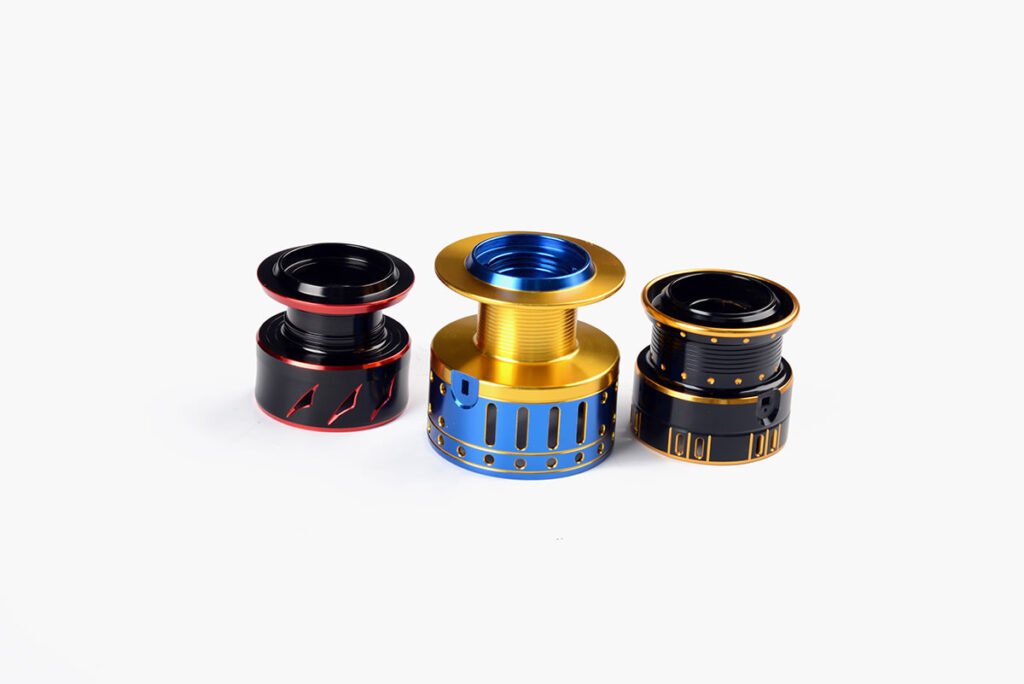
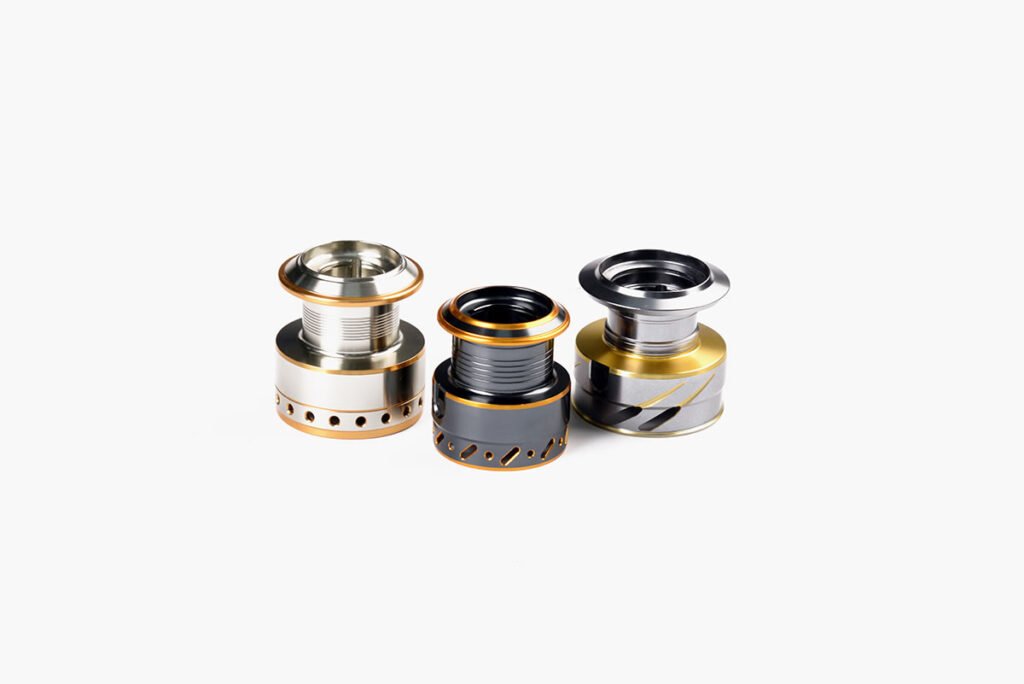
- Color: Often dark gray to black, especially on high-strength alloys. Pure or low-alloy aluminum may yield lighter colors.
- Gloss: As-anodized surfaces are usually matte to semi-matte. Pre-anodizing surface finish strongly influences final appearance.
- Dyeing: Thick, dense hard anodic films are more challenging to dye uniformly. Many functional parts are left in natural color or given a black finish via electrolytic coloring or specific process additives.
For appearance-critical components, test runs are recommended to confirm final color and texture, particularly when multiple alloys or heat treatments are involved.


Applications and Industry Use Cases
Hard anodizing services support a wide range of industries that require durable, dimensionally stable aluminum surfaces.
Automotive and Transportation
Typical components include:
- Hydraulic and pneumatic manifolds
- Suspension parts and brackets
- Pistons, cylinders, and actuator housings
- Transmission and drivetrain components exposed to sliding contact
Aerospace and Defense
Hard anodizing is used extensively on lightweight structural and moving parts, such as:
- Landing gear components and bushings
- Actuator bodies and valve blocks
- Aircraft interior mechanisms (seat tracks, adjustment systems)
- Optical and avionic housings that require corrosion resistance and electrical isolation
Industrial Machinery and Automation
Common applications include:
- Linear guides and motion components
- Tooling fixtures and clamping elements
- Pump and compressor parts
- Packaging and processing machine components subject to abrasion
Electronics, Robotics, and Precision Equipment
Hard anodizing is used where dimensional stability, low friction, and insulation are required, including:
- Heat sinks and electronic housings
- Robot arm segments and gripper components
- Optical stages, measurement equipment, and precision slides
Design and Engineering Considerations
To fully benefit from hard anodizing, design should account for the process characteristics and limitations.
Dimensional Tolerances
Engineers should consider:
- Expected coating thickness and growth when designing diameters, bores, and fits
- Avoiding extremely tight tolerances on surfaces that will be hard anodized at high thicknesses, unless post-machining or lapping is planned
- Communicating critical tolerances to the anodizing service provider to agree on achievable ranges
Geometry and Edge Conditions
Sharp edges and corners tend to build thicker, more brittle oxide layers, and can be prone to burning or flaking. Recommendations include:
- Adding small radii or chamfers where possible
- Avoiding sudden section changes that can create non-uniform current density
- Designing adequate spacing between features to allow solution flow and uniform current distribution
Material and Temper Selection
Where possible, select alloys and tempers known to anodize well for the intended thickness and environment. For high wear applications, alloys like 6061-T6 or certain 7000 series materials are commonly used, but each project should be evaluated for strength, corrosion environment, and manufacturability.
Masking and Assembly Interfaces
For parts that must mate with other components, think about:
- Regions that must not be anodized (e.g., grounding points, press-fit locations) and how they will be masked
- Potential impact of coating on bolt preload, thread engagement, and sealing surfaces
- Whether post-anodize machining or thread chasing will be required
Specifications and Standards for Hard Anodizing
Many industries rely on established standards to define hard anodizing requirements. Common references include:
- MIL-A-8625: Military specification covering anodic coatings for aluminum and aluminum alloys; Type III relates to hard anodic coatings.
- ISO and EN standards: Various documents specifying anodic oxidation of aluminum and measuring test methods (e.g., coating thickness, corrosion resistance, hardness).
- OEM and aerospace standards: Company-specific or industry-specific specifications that define exact electrolytes, parameters, and test criteria.
Key aspects defined in specifications often include:
- Coating thickness and tolerance
- Sealing requirements (sealed/unsealed and method)
- Corrosion resistance tests (e.g., salt spray duration)
- Hardness or wear test methods
- Color range or appearance criteria (if relevant)
Quality Control and Testing in Hard Anodizing Services
Consistent performance requires robust process control and testing. Quality-focused hard anodizing providers use a combination of in-process monitoring and final inspection.
Process Control
Typical process controls include:
- Regular analysis of electrolyte composition (acid concentration, dissolved aluminum, additives)
- Temperature control with chillers or heat exchangers
- Current density and voltage monitoring during each run
- Agitation or solution flow control to minimize local overheating
- Calibration of thickness measurement devices and inspection instruments
Thickness Measurement
Coating thickness is commonly verified by:
- Eddy current instruments (non-destructive, widely used in production)
- Microscopic cross-section measurement (destructive, used for periodic validation)
- Optical methods (for certain laboratory investigations)
Hardness and Wear Testing
Hardness is evaluated using microhardness testers (Vickers or Knoop indents). Wear performance may be assessed via standardized abrasion or sliding wear tests, particularly for new product qualifications.
Corrosion Testing
Corrosion resistance can be verified through tests such as neutral salt spray according to recognized standards. Sealed coatings usually exhibit better resistance in such tests than unsealed coatings of equal thickness.
Cost Structure of Hard Anodizing Services
The cost of hard anodizing is influenced by multiple technical and commercial factors. Understanding these helps in estimating budgets and comparing quotes from different service providers.
Part Geometry and Size
Key factors include:
- Overall dimensions: Larger parts require more tank volume, more handling, and higher energy input.
- Surface area: Cost is often correlated with anodized surface area, since it affects required current, electrolyte contact, and processing time.
- Complexity: Intricate shapes, small holes, and deep recesses may demand additional racking arrangements, masking, and process adjustments.
Coating Thickness and Specification Requirements
Thicker coatings generally:
- Require longer process time
- Consume more energy due to higher voltage and current
- Demand stricter temperature control
- May need more careful ramping of electrical parameters to avoid burning
Additionally, tight tolerances, specific military or aerospace specifications, and demanding inspection requirements (e.g., 100% thickness mapping, multiple test coupons per batch) increase total process time and cost.
Batch Volume and Production Mode
From a cost perspective, it matters whether the parts are processed:
- In small prototypes or one-off batches
- In medium-sized job lots with mixed part geometries
- In large, recurring production batches with optimized fixturing and standardized recipes
Set-up time, racking preparation, and process tuning are spread over more parts in large batches, lowering unit cost.
Additional Operations
Services beyond basic anodizing also affect cost:
- Masking and demasking labor
- Specialized sealing (nickel acetate, lubricant impregnation, or multi-step sealing)
- Post-anodizing finishing such as grinding, polishing, or lapping
- Cleaning and packaging to specific cleanliness or contamination control requirements
Typical Pricing Approaches
While exact prices vary by region and provider, common pricing models include:
- Price per part based on part category and geometry
- Price per batch with a maximum total surface area or weight
- Price per square meter or square foot of anodized surface, with minimum charges
- Added charges for expedited turnaround, certification, or additional testing
For accurate budgeting, it is helpful to supply 3D models or detailed drawings, material specifications, required coating thickness, and any applicable standards when requesting quotations.
How to Select a Hard Anodizing Service Provider
Choosing a capable hard anodizing partner is crucial for consistent quality and on-time delivery.
Technical Capability and Experience
Consider whether the provider:
- Has experience with the specific alloys and part sizes you use
- Can meet your required standards (e.g., MIL, aerospace, or customer-specific specs)
- Supports the thickness range and sealing methods required by your application
- Provides clear process documentation and traceability
Capacity and Turnaround Time
Questions to clarify include:
- Maximum and minimum part sizes they can handle
- Standard lead times for prototypes and production batches
- Availability of expedited services if needed
- Ability to scale from samples to series production
Quality System and Certification
For regulated industries and critical parts, verify whether the provider has:
- Documented quality management systems (such as ISO 9001 or relevant equivalents)
- Calibration and maintenance programs for test equipment
- Internal or external audits for industry-specific compliance
- Capability to provide test reports, certificates of compliance, and batch traceability
Communication and Engineering Support
Strong communication between your engineering team and the anodizing shop can prevent misunderstandings about tolerances, masking, and coating requirements. Look for providers willing to review drawings, propose design adjustments, and run sample trials when necessary.
Common Practical Issues and Considerations
In real projects, several practical considerations often arise when using hard anodizing services.
Adhesion and Peeling
Because hard anodic coatings are integral with the aluminum substrate, true peeling is rare but can occur if:
- The base metal is contaminated or improperly cleaned
- The alloy contains unfavorable intermetallics or casting defects
- The coating is excessively thick on sharp edges or corners
Proper preparation and realistic thickness specifications reduce this risk.
Non-Uniform Color and Appearance
Color variations may result from:
- Differences in alloy composition and temper
- Variations in coating thickness across complex geometries
- Mixed loads of different alloys in the same bath
- Local temperature or current density differences
If appearance is important, it is preferable to use the same alloy, temper, and supplier lot where possible, and to group similar parts in the same production runs.
Dimensional Inconsistencies
Variations in coating thickness can cause dimensional differences between parts. To minimize this:
- Maintain consistent racking positions and orientation
- Use stable process parameters and monitoring
- Conduct trial runs and measure coating growth on representative features
FAQ About Hard Anodizing Services
What is the typical thickness for hard anodized coatings?
For most industrial hard anodizing applications, coating thickness falls between 25 and 75 micrometers (0.001 to 0.003 inches). Certain specialized processes can achieve higher thicknesses, but these may demand tighter process control and can increase the risk of cracking on sharp edges. The exact thickness should be selected based on wear requirements, allowable dimensional change, and any specification or standard that applies to the part.
Can all aluminum alloys be hard anodized effectively?
Most wrought aluminum alloys can be hard anodized, but coating quality and appearance vary. Alloys in the 5000 and 6000 series generally produce good results and are widely used. Certain 7000 series alloys can also be hard anodized effectively. Alloys with high copper or silicon content, including many cast grades, may produce darker, more porous, or less uniform coatings. For critical parts, it is advisable to consult the anodizing provider when selecting an alloy and to run sample tests before committing to high-volume production.
Do hard anodized parts need to be sealed?
Sealing is optional and depends on application requirements. Unsealed hard anodic coatings generally offer maximum hardness and better dimensional stability, which can be beneficial for certain precision wear surfaces. However, sealed coatings typically provide superior corrosion resistance and reduced porosity. Many components that are exposed to moisture, chemicals, or outdoor environments are sealed, while some precision sliding or bearing surfaces remain unsealed or receive a specific lubricant impregnation instead of a conventional seal.
How does hard anodizing affect tight tolerances and fits?
Hard anodizing increases the dimensions of external surfaces and reduces internal diameters due to coating build-up. Roughly half the coating thickness grows outward and half penetrates inward. For example, a 50 micrometer (0.002 inch) coating will increase the diameter of a shaft by approximately 50 micrometers and reduce the diameter of a bore by a similar amount. Therefore, parts with tight fits should be pre-machined to compensate for this growth, and critical features should be clearly identified so the anodizing provider can help estimate the expected dimensional change.
What information should I provide when requesting a hard anodizing quote?
To obtain an accurate quote, provide at least the following: material alloy and temper, 2D drawings or 3D models, required hard anodizing type or specification (such as MIL-A-8625 Type III), target coating thickness, sealing requirements, any color or appearance expectations, quantity per batch, and key dimensional tolerances. Indicate any areas that must be masked or left uncoated, and specify if additional testing or certificates are required. This information allows the service provider to evaluate process feasibility, estimate cycle time, and calculate costs more precisely.