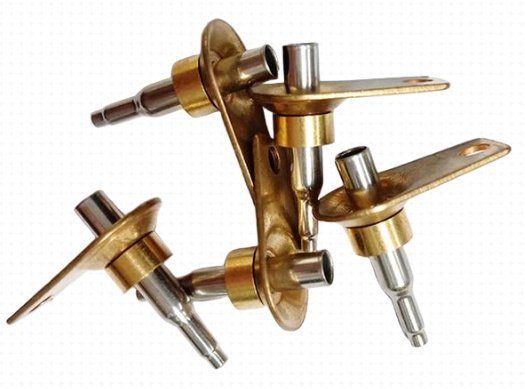
Corrosion-resistant sensor housings are protective enclosures designed to shield sensors and instrumentation from chemical, electrochemical, and environmental degradation. They are widely used in chemical processing, offshore and marine applications, wastewater treatment, power generation, food and beverage production, mining, and general industrial automation. Proper selection and engineering of the housing are critical to ensure long-term measurement reliability, safety, and compliance with applicable standards.
Fundamentals of Corrosion-Resistant Sensor Housings
Corrosion-resistant sensor housings provide a physical barrier between the sensitive sensor elements and aggressive media such as acids, alkalis, salts, solvents, and moisture. The housing must maintain its integrity over the expected lifetime of the sensor while preserving measurement accuracy and response time.
Key functional requirements include:
- Mechanical protection against impact, vibration, and abrasion
- Chemical and environmental resistance to target media and ambient conditions
- Ingress protection against liquids, dust, and gases
- Maintained sealing performance over thermal cycles and mechanical stresses
The housing design is always application-specific. A solution optimized for a coastal environment may not be suitable for a strong oxidizing acid, and materials appropriate for high-temperature service may be unnecessary for low-temperature, mildly corrosive atmospheres. Understanding the operating environment and media exposure is the first step in any specification or engineering activity.
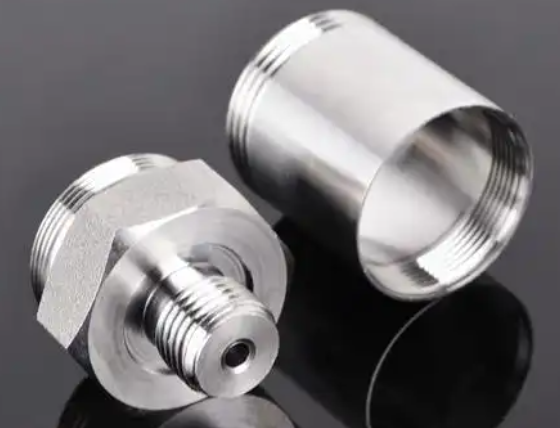
Typical Applications and Environmental Conditions
Corrosion-resistant sensor housings are used wherever sensors are exposed to corrosive liquids, gases, or salty and humid atmospheres. Typical scenarios include:
- Chemical and petrochemical plants with process lines containing acids, bases, and organic solvents
- Offshore platforms and shipborne systems exposed to salt spray, humidity, and occasional splash
- Water and wastewater treatment plants containing chlorides, sulfides, and cleaning chemicals
- Food and beverage facilities where frequent washdown with alkaline or chlorinated agents is required
- Mining and mineral processing with abrasive slurries and chemically active solutions
Environmental conditions that drive housing selection include:
- Presence of chlorides (e.g., seawater, brines)
- Strong acids (e.g., HCl, H2SO4, HNO3) and bases (e.g., NaOH, KOH)
- Organic solvents and hydrocarbons
- Elevated temperature and thermal cycling
- UV exposure, ozone, and outdoor weathering
- Mechanical loads, shock, vibration, and potential impact
- Hygienic or sanitary requirements for food and pharmaceutical applications
Material Options and Corrosion Resistance
Material selection is the central engineering decision for corrosion-resistant sensor housings. Each material offers a specific combination of corrosion resistance, mechanical strength, temperature capability, and cost. The most common options are stainless steels, high-performance plastics, composites, and specialty alloys.
Stainless Steels
Stainless steels are widely used because they combine structural strength with good corrosion resistance and broad availability. Different grades offer varying resistance to pitting, crevice corrosion, and stress corrosion cracking, particularly in chloride-containing environments.
| Grade | Alloy Type | Typical Use | Corrosion Characteristics |
|---|---|---|---|
| 304 / 1.4301 | Austenitic | Indoor, mildly corrosive atmospheres | Good general corrosion resistance, limited resistance to chlorides |
| 316 / 1.4401 | Austenitic, Mo-bearing | Outdoor, marine splash, weak chemicals | Improved pitting resistance vs 304, suitable for many chloride environments |
| 316L / 1.4404 | Low-carbon austenitic | Welded housings, reduced intergranular attack | Similar to 316 with enhanced weld corrosion resistance |
| 904L / 1.4539 | High-alloy austenitic | High chloride and acidic environments | High resistance to pitting and crevice attack in aggressive media |
| Duplex 2205 / 1.4462 | Duplex stainless | High mechanical loads and chlorides | High strength, very good chloride stress corrosion cracking resistance |
Stainless steel housings can be fabricated by machining, casting, or deep drawing and are often specified with surface finishes such as bead blasting, polishing, or electropolishing to improve cleanability and corrosion resistance. For hygienic applications, welds and joints require special attention to avoid crevices and contamination traps.
High-Performance Plastics
Engineering plastics are commonly used where metal housings would be subject to strong chemical attack or where weight and cost reduction are priorities. Common materials include:
- Polyvinylidene fluoride (PVDF): Excellent resistance to many acids, bases, and halogens, good temperature capability, used for chemical dosing and aggressive liquids.
- Polypropylene (PP): Good resistance to many aqueous solutions and acids, cost-effective, typically for low to moderate temperatures.
- Polycarbonate (PC): Often used for transparent covers and windows; moderate chemical resistance but sensitive to some solvents.
- Polyamide (PA, nylon) and reinforced variants: Good mechanical performance, but chemical resistance depends strongly on specific media and temperature.
For plastic housings, consideration of environmental stress cracking, UV exposure, and long-term creep is important. In outdoor installations, UV-stabilized grades or protective coatings may be required.
Composites and Fiber-Reinforced Materials
Glass fiber reinforced polyester (GRP/FRP) and similar composites are used when a combination of corrosion resistance, low weight, and electrical insulation is desired. These housings are common in coastal installations, wastewater plants, and areas with limited structural support capacity. Composites provide good resistance to many chemicals and are non-magnetic and non-sparking, which can be relevant for certain hazardous locations.
Specialty Alloys and Metals
In extremely aggressive environments, such as strong oxidizing acids, high-salinity high-temperature brines, or mixed chemical streams, specialty alloys may be required. Typical examples include:
- Titanium: Very high resistance to seawater and many chemicals, low density, excellent strength-to-weight ratio.
- Nickel-based alloys (e.g., Hastelloy types): Designed for strong acids, chlorinated hydrocarbons, and high-temperature corrosive media.
- Tantalum and other reactive metals: Used as wetted linings or parts in handling very strong acids in niche applications.
Due to cost, these materials are often used only for wetted parts or critical sections of the housing, while the remainder uses more economical alloys or structural materials.
Corrosion Mechanisms Relevant to Sensor Housings
Understanding the main corrosion mechanisms helps in choosing appropriate materials and design features for sensor housings:
- Uniform corrosion: Relatively even material loss across exposed surfaces. Typically predictable and often manageable with material thickness allowances.
- Pitting corrosion: Localized attack resulting in small holes or pits, especially in chloride environments on stainless steels. Strongly influenced by alloy composition and surface condition.
- Crevice corrosion: Occurs in shielded areas such as gasket interfaces, threads, and overlaps where the local environment becomes more aggressive. Housing joints and seals must be designed to minimize crevices or materials must be selected with high resistance.
- Galvanic corrosion: Arises when dissimilar metals are electrically connected in the presence of an electrolyte. It is critical to consider when combining sensor housings, fasteners, and mounting structures made of different metals.
- Stress corrosion cracking (SCC): Simultaneous action of tensile stress and corrosive media, leading to sudden failure. Certain stainless steels in chloride environments are particularly susceptible.
Proper housing design and material pairing reduce the risk of these mechanisms affecting sensor performance or structural integrity.
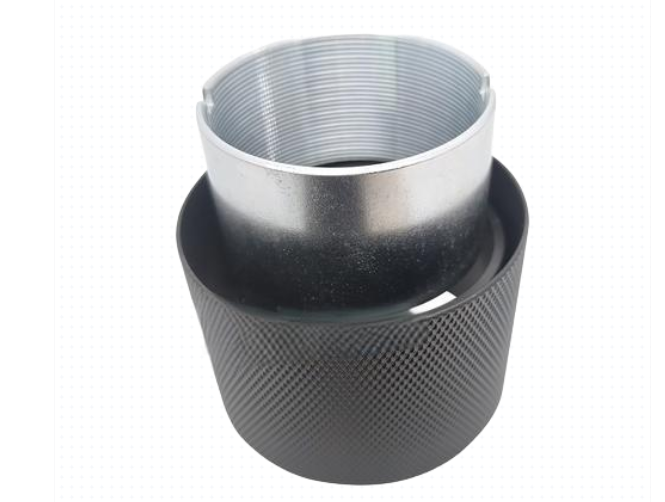
Key Design Parameters for Corrosion-Resistant Housings
Designing a robust sensor housing involves balancing mechanical, chemical, and functional requirements. Important design parameters include:
- Wall thickness and geometry sized for pressure, external loads, and impact resistance
- Type and location of seals, O-rings, and gaskets to avoid stagnant areas and crevices
- Surface finish for improved cleanability and reduced initiation sites for corrosion
- Provision for cable entry and conduit interfaces, preserving ingress protection ratings
- Thermal management to prevent overheating or condensation within the housing
- Ease of installation, access, and maintenance without compromising sealing
For pressure-related applications, finite element analysis (FEA) and relevant pressure vessel standards can be used to verify that the housing will withstand both operating and test pressures. For small sensors, standardized body dimensions and thread types (such as G1/2, NPT, M12, M18) are often used to simplify process connection and replacement.
Sealing, IP and NEMA Ingress Protection Ratings
Ingress protection is essential in corrosive environments because moisture and liquids can accelerate corrosion on internal components and degrade sensor electronics. IP and NEMA ratings provide standardized measures of enclosure protection against solids and liquids.
| Rating | Protection Scope | Typical Sensor Housing Use |
|---|---|---|
| IP65 | Dust tight, protected against water jets | General industrial environments, non-immersed sensors |
| IP67 | Dust tight, protection against temporary immersion | Short-term immersion, outdoor installations with flooding risk |
| IP68 | Dust tight, continuous immersion under conditions specified by manufacturer | Permanent submersion in water or process liquids |
| NEMA 4X | Protection against windblown dust, rain, splashing water, hose-directed water, and corrosion | Corrosive indoor and outdoor environments, washdown zones |
| NEMA 6P | Protection against occasional submersion and corrosion | Underground or submerged applications with corrosive exposure |
To achieve these ratings, gasket materials such as EPDM, FKM (Viton), silicone, or PTFE-based seals are used. Selection depends on temperature, chemical exposure, and mechanical compression set behavior. Cable glands, plugs, and connectors must have equivalent ingress protection ratings to preserve the overall housing performance.
Mechanical Performance and Structural Considerations
Mechanical design must ensure that the housing can withstand operational loads, installation forces, and accidental impact. Factors to consider include:
- Internal pressure or process connection load due to pressurized lines
- External mechanical loads from mounting brackets and supports
- Vibration from pumps, motors, and process equipment
- Handling and maintenance loads, such as torque on threaded connections
In addition to static stress analysis, dynamic loads and fatigue may be relevant for applications subject to repeated pressure cycles or mechanical vibration. For duplex and high-strength steels, higher yield strength allows reduced wall thickness, but welding and fabrication parameters must be controlled to preserve corrosion resistance.
Temperature and Thermal Management
Sensor housings are often exposed to elevated or fluctuating temperatures from the process and ambient environment. Temperature affects both corrosion behavior and sealing performance. Key aspects include:
- Maximum continuous operating temperature of housing material and seals
- Coefficient of thermal expansion mismatches between housing, seals, and internal components
- Effect of elevated temperature on chemical resistance (many plastics have reduced resistance at higher temperature)
- Potential for condensation inside the housing when temperature cycles occur
In some cases, heat sinks, thermal barriers, or insulated mounting hardware may be integrated into the housing design. For extremely hot processes, the sensor may use a thermal extension to keep the electronics in a cooler zone while only a small tip is exposed directly to the process.
Surface Treatments, Coatings, and Linings
When base materials alone cannot provide adequate corrosion resistance or when extending lifetime is desirable, surface treatments and coatings can be applied to sensor housings. Common approaches include:
- Electropolishing of stainless steel to reduce surface roughness and improve passive film quality
- Anodizing for aluminum housings used in moderately corrosive environments
- Polymer coatings such as epoxy, fluoropolymer, or polyurethane for barrier protection
- Rubber, PTFE, or other non-metallic linings in partial-wetted housings to separate the process medium from the structural material
Coating selection must consider adhesion, permeability, temperature stability, and compatibility with the process medium. Mechanical damage to coatings can expose the underlying material and create localized corrosion, so the design should minimize risk of abrasion and impact in coated regions.
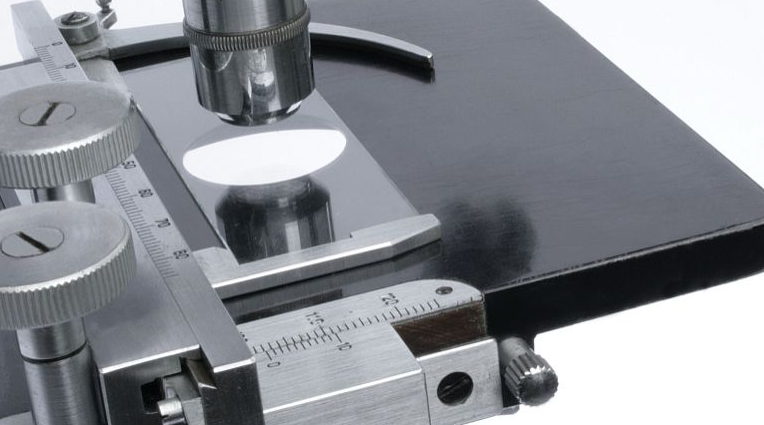
Chemical Compatibility and Media Considerations
Chemical compatibility between the housing material, seals, and process media is crucial for long-term reliability. Selection requires information about:
- Chemical type and concentration
- Operating and maximum upset temperatures
- Flow velocity and potential erosion
- Presence of solids or abrasive particles
- Exposure duration (continuous immersion or intermittent contact)
Compatibility charts supplied by material and seal manufacturers provide a starting point, but testing under realistic conditions is recommended in critical applications. For multifunctional plants where media change over time, the most aggressive expected medium should guide material selection.
Standards and Certifications
Depending on the industry and location, corrosion-resistant sensor housings may need to comply with various international, regional, and industry-specific standards. Typical areas include:
- Ingress protection standards such as IEC 60529 for IP ratings
- NEMA enclosure type definitions for North American markets
- Hygienic design guidelines for the food and pharmaceutical industries, often referencing EHEDG, 3-A, and related documents
- Explosion protection and hazardous area certifications (e.g., ATEX, IECEx, UL, CSA) where applicable
- Materials and fabrication standards for stainless steels and special alloys (e.g., ASTM, EN, ISO specifications)
Compliance ensures that the housing performance is predictable and accepted by regulatory authorities, insurance providers, and end users. In many projects, documentation of material traceability, weld procedures, and quality control inspections forms part of the overall qualification package.
Mounting, Installation, and Integration
Mounting and installation practices influence the effectiveness of a corrosion-resistant housing. Proper integration into the system includes:
- Using compatible fasteners and mounting hardware to avoid galvanic couples
- Ensuring that gaskets and seals are correctly compressed, with uniform torque on bolts and threaded connectors
- Orienting housing openings and drain paths to minimize water accumulation
- Protecting cable entries and connectors from mechanical damage and ensuring their IP/NEMA ratings match the housing
For immersion applications, cable routing must consider the risk of wicking or capillary action along cable jackets. Where possible, strain relief and drip loops should be used to prevent water ingress along cable paths.
Maintenance, Inspection, and Service Life
Even with a properly designed corrosion-resistant housing, periodic maintenance and inspection are necessary to ensure long-term performance. Typical practices include:
- Visual inspection for discoloration, pitting, cracking, or coating damage
- Checking gasket compression, elasticity, and signs of chemical degradation
- Verifying the condition of fasteners and replacing those showing corrosion or wear
- Cleaning surfaces using methods compatible with the housing material and process requirements
The expected service life of a sensor housing depends on material, environment, and usage conditions. In many applications, housings are specified for service periods of 5 to 20 years, with inspection intervals determined by plant maintenance strategies and risk assessment.
Selection Guidelines for Corrosion-Resistant Sensor Housings
When selecting a housing for a new or existing sensor application, a systematic evaluation approach can reduce the risk of premature failures. Key steps include:
1) Define environment and media
- Identify all chemicals, their concentration ranges, and temperature profile.
- Specify whether exposure is continuous immersion, splash, spray, or atmospheric.
- Determine mechanical loads, vibration, and potential impact conditions.
2) Determine protection requirements
- Establish required IP or NEMA rating based on washdown, immersion, or dust levels.
- Confirm any hygienic, sanitation, or hazardous area requirements.
- Define mechanical strength and pressure capability requirements.
3) Select material and seals
- Shortlist candidate housing materials based on chemical compatibility and temperature.
- Choose seal materials that match both media and temperature ranges.
- Consider galvanic compatibility with mounting structures and process connections.
4) Review design features
- Check geometry for crevice minimization and ease of cleaning.
- Verify that wall thickness and structural supports meet load requirements.
- Ensure that cable glands, windows, and access covers maintain the target ratings.
5) Plan installation and maintenance
- Define torque specifications and assembly procedures to maintain sealing.
- Establish inspection intervals and cleaning methods compatible with the materials.
- Prepare spare parts strategy for seals, fasteners, and other replaceable components.
Typical User Considerations and Pain Points
In real-world plants, several recurring considerations affect the choice and operation of corrosion-resistant sensor housings:
- Unexpected media changes: Process modifications may introduce new chemicals that exceed the original material’s compatibility, leading to accelerated corrosion.
- Inadequate sealing: Insufficient seal compression or misaligned gaskets can allow ingress, increasing corrosion risks inside the housing.
- Overlooked galvanic couples: Combining stainless housings with carbon steel brackets or dissimilar fasteners can lead to localized corrosion, even when the housing material is resistant to the process medium.
- Limited access: Housings that are difficult to open for calibration or service may lead to extended intervals between inspections, delaying detection of early corrosion indications.
- Cleaning procedures: Aggressive cleaning agents and high-pressure washdowns may exceed design assumptions, impacting gasket life and surface condition.
Addressing these considerations in the design, specification, and maintenance plan increases reliability and reduces unplanned downtime.