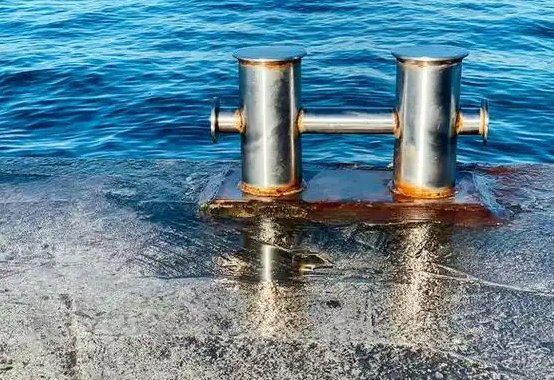
Anti-corrosion refers to all measures used to prevent or slow down the degradation of metals and other materials caused by reaction with their environment. Effective anti-corrosion strategies are essential for extending service life, maintaining structural integrity, and reducing maintenance costs in sectors such as oil and gas, marine, power generation, transportation, water treatment and infrastructure.
Fundamentals of Corrosion and Anti-Corrosion
Corrosion is a spontaneous process in which metals tend to return to their more stable, lower-energy forms, typically oxides, hydroxides or salts. In most engineering environments, corrosion is electrochemical in nature and requires the simultaneous presence of an anode, a cathode, an electrolyte and a metallic path.
Anti-corrosion, therefore, focuses on interrupting one or more of these fundamental requirements or altering the driving forces that promote corrosion. A systematic understanding of the corrosion mechanism is the starting point for designing an effective corrosion control system.
Basic Electrochemical Mechanism
The most common form of corrosion for metals such as steel is an electrochemical reaction that can be simplified as:
- Anodic reaction: metal dissolution (e.g., Fe → Fe²⁺ + 2e⁻)
- Cathodic reaction: reduction of a species (e.g., O₂ + 2H₂O + 4e⁻ → 4OH⁻ in neutral aerated water)
Both reactions occur simultaneously on the metal surface. The corrosion rate is controlled by the slower of these processes and by the resistance of ionic and electronic paths between anodic and cathodic regions.
Key Factors Affecting Corrosion
Corrosion behavior depends on several environmental and material parameters:
- Electrolyte properties: pH, conductivity, dissolved oxygen and salt content
- Temperature: generally increases reaction kinetics and diffusion rates
- Flow conditions: stagnant, laminar or turbulent flow can influence mass transport
- Mechanical loading: stress, strain, vibration and residual stress
- Material composition and microstructure: alloying elements, grain size, inclusions
- Presence of contaminants: chlorides, sulfides, CO₂, H₂S, microbial activity
Anti-corrosion design aims to control these parameters where practical, and to choose materials and protection systems that can tolerate the unavoidable environmental conditions over the desired service life.
Common Types of Corrosion Relevant to Anti-Corrosion Design
Different corrosion forms require different protection strategies. Understanding the dominant corrosion mechanism in a given system allows selection of appropriate anti-corrosion methods.
Uniform Corrosion
Uniform corrosion appears as relatively even material loss over a large area. It is generally predictable, often expressed as a penetration rate (e.g., mm/year) and is usually the easiest to manage with coatings, inhibitors or suitable alloys.
Pitting and Crevice Corrosion
Pitting corrosion forms highly localized holes, often initiated at surface defects or inclusions, especially in chloride-containing environments. Crevice corrosion occurs in shielded areas such as under gaskets, deposits, lap joints and fastener heads where localized chemistry shifts (e.g., lower pH, higher chloride concentration) accelerate attack.
These localized forms can cause rapid penetration with minimal overall metal loss, making early detection difficult. Anti-corrosion solutions rely heavily on proper design, avoiding tight crevices, using highly resistant alloys, and applying high-performance coatings.
Galvanic Corrosion
Galvanic corrosion occurs when dissimilar metals are electrically connected in an electrolyte. The more active (less noble) metal becomes the anode and corrodes preferentially, while the more noble metal is protected.
Anti-corrosion approaches include selecting compatible metals, isolating dissimilar metals electrically, controlling area ratios between anode and cathode, and applying protective coatings or cathodic protection systems.
Environment-Assisted Cracking
Forms such as stress corrosion cracking (SCC) and hydrogen-induced cracking (HIC) arise from the combined effects of tensile stress, corrosive environment, and susceptible materials. They can cause sudden failure without significant uniform corrosion. Anti-corrosion measures here focus on material selection, stress control (e.g., post-weld heat treatment), and environmental control (e.g., inhibitors, deoxygenation).
Principles of Anti-Corrosion Strategies
Most anti-corrosion measures can be grouped according to the fundamental principle they employ:
- Barrier protection: physically isolate the material from the environment
- Cathodic or anodic control: change electrochemical potentials and reaction rates
- Environmental modification: alter the properties of the electrolyte
- Material optimization: select or engineer materials with inherently higher resistance
In engineering practice, these approaches are often combined to achieve redundancy and extend service life.
Barrier Protection
Barrier protection is achieved mainly by coatings, linings and wraps that prevent contact between the substrate and corrosive media. The integrity, adhesion, thickness and defect density of the barrier layer are critical for performance.
Electrochemical Control
Cathodic protection (CP) and anodic protection modify the electrochemical behavior of the metal. CP shifts the metal potential in the negative direction to reduce anodic dissolution, while anodic protection maintains the metal in a passive state at an optimized potential. These methods are widely used in pipelines, tanks, marine structures and process equipment.
Environmental Modification
Adjusting pH, removing oxygen, reducing chloride concentration, or adding corrosion inhibitors can significantly lower corrosion rates. This is particularly relevant in closed systems such as boilers, cooling water circuits and oil and gas production lines.
Material Optimization
Using stainless steels, nickel-based alloys, titanium, aluminum, copper alloys or non-metallic materials (e.g., plastics, composites) provides intrinsic resistance. Anti-corrosion design also includes minimizing unfavorable microstructural features such as sensitized grain boundaries or hard, brittle phases that may promote localized attack or cracking.
Anti-Corrosion Coatings and Linings
Coatings and linings represent one of the most widely applied anti-corrosion technologies due to their versatility and relatively low cost per unit area. They are used in atmospheric, splash zone, buried, submerged and process environments.
Main Categories of Protective Coatings
Protective coatings can be grouped according to their composition and protective function:
| Coating Type | Primary Mechanism | Typical Dry Film Thickness (µm) | Common Uses |
|---|---|---|---|
| Epoxy coatings | Barrier protection, good adhesion | 100–500 (multi-coat) | Marine, tanks, pipelines, structural steel |
| Polyurethane coatings | Barrier, UV resistance, aesthetics | 40–150 | Topcoats for outdoor steel, equipment |
| Polyurea and hybrid systems | Thick barrier, fast cure, impact resistance | 500–3000 | Tank roofs, secondary containment, decks |
| Fusion-bonded epoxy (FBE) | Barrier, strong adhesion to steel | 250–500 | Pipeline external coatings, rebar |
| Zinc-rich primers | Sacrificial (galvanic) + barrier | 50–100 | Steel bridges, offshore structures |
| Inorganic zinc silicate | Strong galvanic protection | 50–75 | Tank exteriors, structural steel |
| Thermal spray aluminum (TSA) | Long-term sacrificial and barrier | 150–400 | Offshore platforms, splash zones |
| Thermal spray zinc (TSZ) | Sacrificial protection | 100–300 | Bridges, towers, marine structures |
| Rubber linings | Chemical and abrasion resistance | 1000–6000 | Slurry pipes, tanks, scrubbers |
| Glass flake coatings | Enhanced barrier, low permeability | 300–1000 | Chemical storage tanks, marine hulls |
| Fluoropolymer coatings (e.g., PTFE) | High chemical resistance, low surface energy | 25–300 | Chemical processing, non-stick surfaces |
| Ceramic and enamel linings | Hard, chemically resistant barrier | 500–2000 | Heat exchangers, chimneys, tanks |
Key Coating System Parameters
Anti-corrosion coating performance depends on several design and application parameters:
- Total dry film thickness (DFT) and number of coats
- Surface preparation grade and cleanliness
- Surface profile (anchor pattern) for mechanical adhesion
- Curing conditions (time, temperature, humidity)
- Compatibility between primer, intermediate and topcoat
- Permeability to water, oxygen and ions
Typical atmospheric protection systems for structural steel may consist of a zinc-rich primer (60–80 µm), an epoxy intermediate coat (100–200 µm) and a polyurethane topcoat (40–80 µm), leading to total thickness in the range of 200–360 µm depending on environment severity and desired life to first maintenance.
Surface Preparation for Coatings
Proper surface preparation is a critical factor in coating adhesion and long-term performance. Widely used standards define cleanliness levels, such as:
- Abrasive blast cleaning levels (e.g., very thorough blast cleaning vs. near-white blast cleaning)
- Power tool cleaning and hand tool cleaning for less demanding service
Typical roughness (surface profile) for heavy-duty coatings on steel lies in the range of 40–100 µm, depending on coating type and manufacturer recommendations. Residual contaminants like soluble salts, oil and dust should remain below specified limits before coating application.
Metallic Coatings and Plating for Anti-Corrosion
Metallic coatings provide both barrier and sacrificial protection. They can be applied by hot-dip processes, electroplating, thermal spray or other methods. The coating metal is chosen based on its electrochemical potential and compatibility with the substrate and environment.
Zinc-Based Systems
Zinc coatings protect steel through sacrificial action. When exposed to the environment, zinc corrodes preferentially and can inhibit corrosion of exposed steel at small defects.
Common zinc-based anti-corrosion systems include:
- Hot-dip galvanizing: dipping steel into molten zinc, typical coating thickness 45–85 µm for thin steel sections, up to 200 µm or more for thick sections
- Electrogalvanizing: thinner coatings (typically 5–25 µm), used for automotive and appliance parts
- Thermal spray zinc: deposited by arc spray or flame spray, allows thicker layers (100–300 µm) and on-site application
Aluminum and Zinc-Aluminum Coatings
Aluminum coatings provide excellent corrosion resistance in high-temperature and marine atmospheres. Zinc-aluminum alloys combine sacrificial action with improved barrier properties and are widely used on fasteners and sheet products.
Thermal spray aluminum (TSA) is common in offshore and splash zone applications, with typical thickness between 200 and 350 µm. TSA is often sealed with an organic topcoat to reduce porosity and extend service life.
Other Metallic Coatings
Other metallic systems include:
- Nickel and nickel-chrome plating: good corrosion and wear resistance, used for valves, pumps and decorative parts
- Copper and copper alloys: used in marine environments for their resistance to biofouling
- Cadmium (in some legacy applications): sacrificial protection for high-strength steel fasteners, increasingly replaced due to toxicity considerations
Cathodic Protection as an Anti-Corrosion Method
Cathodic protection (CP) is a widely used electrochemical technique to control the corrosion of a metal surface by making it the cathode of an electrochemical cell. It is especially effective for buried and submerged structures such as pipelines, storage tanks, offshore platforms, harbor structures and ship hulls.
Main Types of Cathodic Protection
Two primary CP systems are used in practice:
| Aspect | Sacrificial Anode CP (SACP) | Impressed Current CP (ICCP) |
|---|---|---|
| Driving force | Natural potential difference between anode alloy and structure | External DC power supply |
| Anode material | Magnesium, zinc, aluminum alloys | Inert or semi-inert (e.g., MMO, graphite) |
| Typical current capacity | Lower, suited for smaller structures or low-resistivity environments | Higher, suitable for large structures and high-resistivity soils/waters |
| Maintenance | Periodic anode replacement | Monitoring of power units, anode condition, circuit continuity |
| Control | Generally less adjustable | Fine adjustment of protection potential |
Design Parameters for CP Systems
CP system design requires consideration of:
- Structure surface area and geometry
- Coating type and condition (coated vs. bare steel)
- Soil or water resistivity and temperature
- Required current density to achieve protective potential
- Design life of the CP system
Typical current densities for cathodic protection of coated pipelines in soil may range from approximately 0.5 to 3 mA/m² of external surface area, depending on coating quality. For bare steel in seawater, required current densities can be much higher, often around 80 to 200 mA/m² for initial polarization and lower for maintenance, depending on flow conditions and temperature.
Criteria for Adequate Protection
Industry standards define practical criteria for sufficient cathodic protection. For carbon steel structures in soil or water, a common criterion is to maintain the steel potential more negative than a specified threshold versus a reference electrode, typically a saturated copper-copper sulfate electrode for buried structures or silver/silver chloride for seawater systems.
Routine monitoring of structure-to-electrolyte potentials, current outputs and anode condition is necessary to maintain effective CP through the service life.
Corrosion Inhibitors and Environmental Control
Corrosion inhibitors are chemical substances that, when added in small concentrations to a corrosive environment, reduce the corrosion rate of metals. They are particularly relevant in closed or semi-closed systems where continuous chemical treatment is feasible.
Types of Corrosion Inhibitors
Inhibitors can be classified by their mechanism of action:
- Anodic inhibitors: push the anodic reaction into a passive region
- Cathodic inhibitors: decrease the rate of the cathodic reaction
- Mixed inhibitors: affect both anodic and cathodic processes
- Film-forming inhibitors: create an adsorbed protective layer on the metal surface
In oil and gas production systems, organic film-forming inhibitors are widely used to protect carbon steel pipelines carrying fluids containing CO₂ and H₂S. In cooling water systems, inorganic inhibitors may be combined with scale control agents and biocides.
Key Design Considerations for Inhibitor Use
Effective anti-corrosion via inhibitors requires:
- Selection of compatible inhibitor chemistry for the environment and material
- Proper dosing rate, often expressed in ppm of inhibitor concentration
- Adequate mixing and contact time with the metal surfaces
- Continuous monitoring of corrosion rate (e.g., corrosion coupons, probes) and fluid composition
In boiler feedwater systems, dissolved oxygen is often removed by mechanical deaeration combined with chemical scavengers, and pH is controlled in the alkaline range to minimize steel corrosion.
Corrosion-Resistant Materials and Design Choices
Material selection is a central pillar of anti-corrosion strategy. Choosing a material with sufficient resistance for the intended environment can significantly reduce the need for complex protective systems and maintenance interventions.
Corrosion-Resistant Metallic Materials
Common corrosion-resistant alloys include:
- Stainless steels: austenitic, ferritic, martensitic, duplex and super-duplex grades
- Nickel-based alloys: designed for high-temperature and highly aggressive environments
- Titanium and titanium alloys: excellent resistance in chloride media and oxidizing acids
- Copper alloys: used in seawater and marine hardware for their resistance to biofouling
For stainless steels, the pitting resistance equivalent number (PREN) is often used as an indicator of resistance to localized corrosion in chloride-containing environments. PREN is calculated using alloy composition and provides a comparative measure, with higher values indicating better pitting resistance.
Non-Metallic Materials
Polymers, composites and ceramics are widely used where metals would corrode rapidly or where weight reduction is important. Examples include:
- Thermoplastics (e.g., PVC, HDPE, PVDF) used in chemical piping and tanks
- Thermosets (e.g., epoxy, vinyl ester) in glass-fiber reinforced plastics (GRP/FRP)
- Rubbers and elastomers for linings and seals
- Ceramics and glass for highly aggressive chemical environments
While these materials can offer excellent chemical resistance, design must account for factors such as temperature limitations, mechanical strength, permeability and long-term aging.
Design Practices to Minimize Corrosion Risk
In addition to material selection, certain design rules reduce corrosion susceptibility:
- Avoiding crevices and dead legs where stagnant fluid can accumulate
- Ensuring adequate drainage and water shedding in structural components
- Designing welds and joints to avoid stress raisers and residual tensile stresses
- Providing access for inspection, cleaning and maintenance
Designing for corrosion management from the outset reduces unplanned downtime and repair costs and improves overall reliability.
Testing, Inspection and Monitoring in Anti-Corrosion Programs
Anti-corrosion systems need to be verified and monitored throughout their life cycle. Laboratory tests help qualify materials and coatings, while field inspection and monitoring ensure that protection remains effective under real operating conditions.
Laboratory Corrosion Testing Methods
Common test methods include:
- Salt spray testing: accelerated evaluation of coatings and materials in a controlled salt fog chamber
- Immersion tests: exposure of specimens to chemical solutions to estimate corrosion rates
- Electrochemical tests: potentiodynamic polarization, electrochemical impedance spectroscopy (EIS) for studying mechanisms and protection performance
- Erosion-corrosion tests: simulate combined mechanical and chemical attack in flowing systems
These tests are used to compare candidate materials, optimize formulations and verify compliance with specifications before field application.
Field Inspection Techniques
In service, anti-corrosion performance is evaluated using non-destructive testing (NDT), visual inspection and direct measurements. Typical techniques include:
- Visual examination and photographic documentation of surfaces
- Dry film thickness measurement for coatings using magnetic or eddy current gauges
- Adhesion testing of coatings (e.g., pull-off tests, cross-cut tests)
- Ultrasonic thickness measurement of pipes and vessels to determine metal loss
- Radiography, magnetic particle testing and dye penetrant for weld inspection
Regular inspection intervals are defined based on risk, environment and criticality of the asset.
Online Corrosion Monitoring
Continuous or periodic corrosion monitoring technologies support proactive anti-corrosion management:
- Corrosion coupons: metal specimens inserted in the system and examined after exposure to determine weight loss and calculate corrosion rate
- Electrical resistance probes: measure change in electrical resistance as a thin metal element corrodes
- Linear polarization resistance (LPR) probes: estimate instantaneous corrosion rate electrochemically
- CP system monitoring: logging potentials, current outputs and instant-off readings in cathodic protection systems
Data from these devices guide adjustment of inhibitors, CP levels or operational conditions, helping maintain corrosion within acceptable limits.
Standards and Guidelines for Anti-Corrosion
Anti-corrosion activities are governed by national and international standards that define test methods, design practices, material requirements and performance criteria. Adherence to recognized standards enhances reliability and provides a common technical language among project stakeholders.
Key Areas Covered by Standards
Standards typically address the following aspects of corrosion protection:
- Surface preparation grades and methods for steel before coating
- Coating system design, application and inspection procedures
- Cathodic protection design criteria and monitoring requirements for pipelines, tanks and offshore structures
- Material specifications for corrosion-resistant alloys and galvanizing
- Laboratory test methods such as salt spray, cyclic corrosion, immersion and electrochemical tests
Using standardized approaches simplifies qualification of products and services, supports regulatory compliance and aids in benchmarking performance across projects and industries.
Industrial Applications of Anti-Corrosion Solutions
Anti-corrosion technologies are applied across all major industrial sectors where metallic or non-metallic components are exposed to corrosive environments. Correct selection and integration of anti-corrosion measures are essential for safe and economical operation.
Oil and Gas Production and Pipelines
In upstream and midstream oil and gas, equipment is exposed to CO₂, H₂S, chlorides and sometimes high temperatures and pressures. Typical anti-corrosion measures include:
- Internal corrosion inhibitors for pipelines and process lines
- External pipeline coatings (e.g., fusion-bonded epoxy, three-layer polyolefin)
- Cathodic protection systems for buried and subsea pipelines
- CRA (corrosion-resistant alloy) tubing and cladding for downhole equipment
Monitoring systems and periodic pigging operations help control internal corrosion and deposit formation.
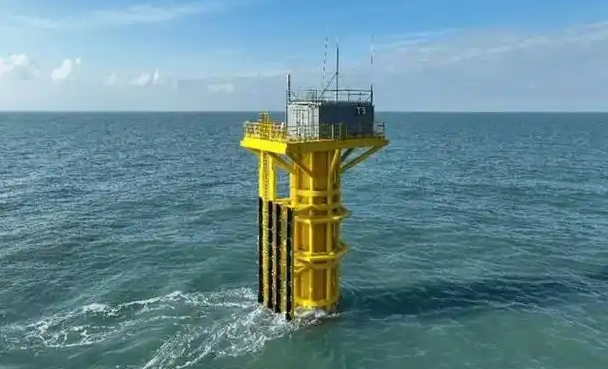
Marine and Offshore Structures
Marine environments combine chloride-rich water, high humidity and mechanical loading. Anti-corrosion strategies include:
- Heavy-duty paint systems and TSA/TSZ for atmospheric and splash zones
- Cathodic protection (sacrificial anodes or impressed current) for submerged areas
- Use of corrosion-resistant alloys for critical components such as fasteners and risers
- Regular inspection campaigns using divers and remote operated vehicles (ROVs)
These measures contribute to the long-term integrity of offshore platforms, wind turbine foundations, jetties and ships.
Power Generation and Industrial Plants
Power plants, refineries and chemical plants operate with high-temperature steam, cooling water, flue gases and aggressive chemicals. Anti-corrosion solutions include:
- High-temperature coatings and thermal spray systems for boiler tubes and stacks
- Internal linings for scrubbers, absorbers and chemical reactors
- Water chemistry control in boilers and cooling circuits
- Use of alloy steels, stainless steels and nickel alloys in critical high-temperature services
Regular inspection of heat exchangers, pressure vessels and piping networks is essential for timely maintenance planning.
Water and Wastewater Infrastructure
Water distribution and wastewater treatment systems face corrosion due to dissolved oxygen, varying pH, chlorides, sulfates and microbial activity. Anti-corrosion practices include:
- Cement mortar linings and epoxy linings in pipelines and tanks
- CP for buried pipelines and storage tanks
- Use of ductile iron with protective coatings or HDPE piping in aggressive soils
- Gas-phase corrosion control in sewer networks exposed to H₂S
Effective anti-corrosion measures in this sector reduce leaks, service disruptions and contamination risks.
Transportation, Buildings and Infrastructure
Bridges, tunnels, buildings, vehicles and rail systems all require anti-corrosion solutions to ensure long service life and safety. Examples include:
- Hot-dip galvanizing of structural elements and guardrails
- Protective paint systems for bridges and steel buildings
- CP of steel reinforcement in concrete elements exposed to de-icing salts or marine environments
- Coated and galvanized parts in automotive and rail vehicles
Lifecycle planning and periodic inspections are combined with well-specified protective systems to minimize long-term maintenance demands.
Summary: Building an Effective Anti-Corrosion Program
A comprehensive anti-corrosion program integrates fundamental understanding, suitable material selection, protective systems, and ongoing monitoring. Core elements of such a program include:
- Characterization of the environment, including chemical composition, temperature and mechanical conditions
- Selection of materials compatible with the environment and operating conditions
- Application of suitable coatings, linings, metallic coatings and cathodic protection where needed
- Use of corrosion inhibitors and environmental control in closed or semi-closed systems
- Adherence to recognized standards and best practices for design, fabrication and inspection
- Regular inspection, testing and monitoring to validate performance and guide maintenance
By approaching corrosion control systematically and combining multiple protective measures where appropriate, organizations can extend asset life, reduce unplanned outages and maintain reliable performance across a wide range of industrial and infrastructure applications.
FAQ About Anti-Corrosion
What is corrosion?
Corrosion is the natural process where metals or materials deteriorate due to chemical or electrochemical reactions with their environment, often leading to rust, pitting, or material weakening.
What is the difference between corrosion prevention and corrosion protection?
Corrosion prevention usually refers to measures taken at the design and material selection stage to minimize the likelihood and severity of corrosion, such as choosing corrosion-resistant alloys, avoiding crevices and designing for drainage. Corrosion protection generally refers to specific systems applied to the structure, such as coatings, cathodic protection or inhibitors, that directly shield or electrochemically protect the material during service. In practice, both approaches are combined: prevention through design and material choice, and protection through engineered systems tailored to the operating environment.
What materials are naturally corrosion-resistant?
Materials such as stainless steel, titanium, aluminum, certain copper alloys, and plastics are inherently resistant to corrosion due to their composition or protective oxide layers.
What are common anti-corrosion protection methods?
Methods include coatings (paint, powder coating), galvanization, anodizing, plating (zinc, nickel, chrome), corrosion inhibitors, cathodic protection, and using corrosion-resistant materials.
How do I choose the right anti-corrosion coating for my application?
Selecting an anti-corrosion coating requires evaluating the environment (atmospheric, immersion, splash zone, chemical exposure), expected service life, surface preparation capability, application constraints (shop vs. field, temperature, humidity), mechanical loads and required aesthetics. For example, harsh marine atmospheres often use a zinc-rich primer, high-build epoxy intermediate coat and polyurethane topcoat, whereas buried pipelines frequently use fusion-bonded epoxy or multi-layer polyolefin systems. Consulting coating manufacturer data, relevant standards and, where necessary, performing qualification tests help ensure the chosen system meets performance and durability requirements.