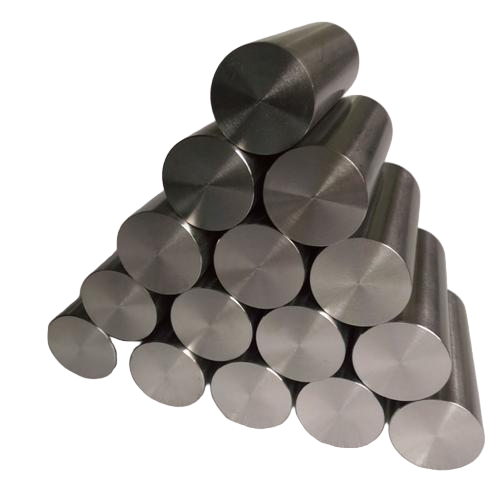
Alpha-beta titanium alloys are a major class of titanium materials that contain both alpha (α, hexagonal close-packed) and beta (β, body-centered cubic) phases at room temperature. Their balanced combination of strength, toughness, corrosion resistance, and processability makes them the most widely used titanium alloys in aerospace, energy, chemical processing, and biomedical engineering.
Fundamental Phase Concepts of Alpha-Beta Titanium Alloys
Understanding alpha-beta titanium alloys begins with the phase behavior of titanium and its alloying elements. The dual-phase nature provides a microstructural basis for tuning properties through composition and heat treatment.
Crystal Structures of Alpha and Beta Phases
Pure titanium exhibits an allotropic transformation:
- Alpha (α) phase: hexagonal close-packed (HCP), stable at room temperature up to the beta transus temperature.
- Beta (β) phase: body-centered cubic (BCC), stable at high temperatures above the beta transus.
Key characteristics:
Alpha phase tends to provide high creep resistance and good weldability, while beta phase contributes to higher hardenability, better formability at elevated temperatures, and the capacity for solution strengthening and precipitation hardening.
Role of Alloying Elements and Beta Transus
Alloying elements in titanium are conventionally classified by their effect on the alpha-beta phase stability:
- Alpha stabilizers: e.g., Al, O, N; they raise the beta transus temperature and stabilize the HCP alpha phase.
- Beta stabilizers: e.g., V, Mo, Nb, Ta, Fe, Cr, Mn; they lower the beta transus and stabilize the BCC beta phase.
- Neutral elements: e.g., Zr, Sn (often considered neutral to slightly alpha-stabilizing).
The beta transus temperature (Tβ) is the temperature at which the microstructure is fully beta in equilibrium. In alpha-beta titanium alloys, the aluminum content and oxygen level generally increase Tβ, while elements like V, Mo, and Fe decrease Tβ. Typical beta transus values for commonly used alpha-beta alloys fall in the approximate range of 940–1010 °C, depending on precise chemistry and impurity content.
Definition of Alpha-Beta Titanium Alloys
Alpha-beta titanium alloys are defined as alloys whose composition is such that, at room temperature, both alpha and beta phases are present in significant proportions. They differ from:
Alpha alloys that are almost entirely HCP at room temperature, and from
Beta or near-beta alloys that retain mostly BCC phase at room temperature.
The coexistence of alpha and beta phases allows extensive microstructural tailoring, resulting in a wide spectrum of strength–ductility–toughness combinations, which is a central reason for the industrial importance of these alloys.
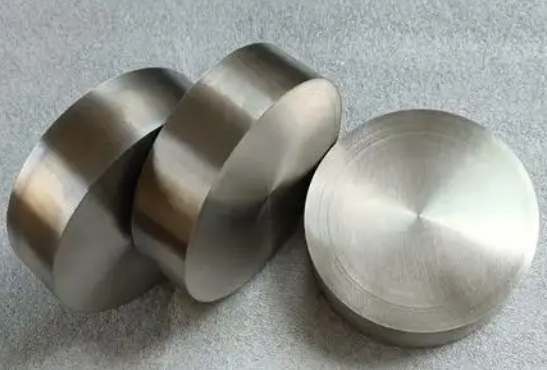
Classification and Representative Alpha-Beta Titanium Alloys
Alpha-beta titanium alloys can be categorized based on composition, processing conditions, and targeted property ranges. Some alloys are optimized for high strength, while others focus on fracture toughness, fatigue performance, or biocompatibility.
Typical Alpha-Beta Titanium Alloy Compositions
| Alloy designation | Nominal composition (wt%) | Typical beta transus (°C) | Representative applications |
|---|---|---|---|
| Ti-6Al-4V (Grade 5) | Al 6, V 4, balance Ti | ~995–1010 | Aerospace structures, engine components, medical implants |
| Ti-6Al-4V ELI (Grade 23) | Al 6, V 4, low interstitials, balance Ti | ~995–1010 | Biomedical implants, fracture-critical aerospace parts |
| Ti-6Al-2Sn-4Zr-2Mo | Al 6, Sn 2, Zr 4, Mo 2, balance Ti | ~980–995 | Aero engine discs and forgings, high-temperature components |
| Ti-6Al-2Sn-4Zr-6Mo | Al 6, Sn 2, Zr 4, Mo 6, balance Ti | ~930–960 | High-strength aerospace components, heavily loaded parts |
| Ti-5Al-2.5Sn | Al 5, Sn 2.5, balance Ti | ~1010–1030 | Aircraft structures, cryogenic tanks |
| Ti-6Al-7Nb | Al 6, Nb 7, balance Ti | ~980–1000 | Biomedical implants, corrosion-resistant components |
| Ti-3Al-2.5V | Al 3, V 2.5, balance Ti | ~960–985 | Thin-walled tubing, aerospace hydraulic systems |
| Ti-8Al-1Mo-1V | Al 8, Mo 1, V 1, balance Ti | ~1010–1030 | Aircraft structures, high stiffness applications |
| Near-alpha/beta-balanced variants | Al 5–7, Sn/Zr/Mo/V various | ~950–1030 | Engine discs, compressor components |
Alpha-Beta vs Near-Alpha and Near-Beta Alloys
In many classification schemes, alpha-beta titanium alloys occupy an intermediate position:
Near-alpha alloys: higher content of alpha stabilizers (e.g., Al, Sn) and minimal beta stabilizers; predominantly alpha with small beta fraction at room temperature. They are often selected for high-temperature creep resistance.
Near-beta alloys: higher content of beta stabilizers and substantial beta phase at room temperature. They are usually heat treatable to high strength levels but may require careful processing to achieve desired toughness and fatigue resistance.
Alpha-beta alloys: balanced amount of alpha and beta, enabling general-purpose engineering use with good forgeability, machinability (relative to other titanium alloys), weldability, and a wide range of property combinations.
Microstructure of Alpha-Beta Titanium Alloys
The microstructure of alpha-beta titanium alloys is a primary driver of properties. Control over phase morphology, grain size, and distribution is central to alloy design and process engineering.
Equiaxed, Bimodal, and Fully Transformed Microstructures
Common microstructural conditions include:
Equiaxed (or duplex) microstructure: primary alpha (αp) grains, generally equiaxed, embedded in a transformed beta matrix. Produced by working and heat treatment in the alpha-beta field. This microstructure typically provides a good balance of tensile strength, ductility, and fatigue performance.
Bimodal microstructure: combination of larger primary alpha grains and colonies of lamellar alpha within transformed beta regions. Adjusting the volume fraction of primary alpha allows tailoring of fatigue and fracture toughness.
Widmanstätten (or lamellar) microstructure: formed by cooling from the beta field to form plate-like alpha within prior beta grains. Often characterized by lower crack initiation resistance but good crack propagation resistance; frequently used when fracture toughness and high-temperature performance are prioritized.
Phase Morphology and Volume Fractions
Important microstructural parameters include:
- Alpha volume fraction and alpha grain size.
- Beta grain size and continuity of retained beta networks.
- Lath thickness and colony size in lamellar alpha structures.
Typical volume fractions of primary alpha in standard alpha-beta alloys such as Ti-6Al-4V may range from 10% to over 60% depending on processing and heat treatment conditions. Higher primary alpha content tends to enhance fatigue crack initiation resistance, while higher transformed beta (lamellar) content can improve fracture toughness and high-temperature properties.
Influence of Interstitial Elements and Texture
Interstitial elements such as oxygen, nitrogen, and carbon have notable effects on microstructure and properties:
Oxygen: a strong alpha stabilizer and solid-solution strengthener. Increased oxygen content raises yield strength but reduces ductility and fracture toughness. Commercially significant oxygen levels in alpha-beta alloys typically range from about 0.08 to 0.20 wt%, subject to grade.
Nitrogen and carbon: normally maintained at very low levels because of their pronounced embrittling effects.
Crystallographic texture also affects mechanical anisotropy. Hot working operations (forging, rolling, extrusion) can generate pronounced textures that influence yield strength, fatigue behavior, and formability in different directions relative to the working axis.

Processing Routes for Alpha-Beta Titanium Alloys
Alpha-beta titanium alloys are processed through a sequence of melting, primary breakdown, and secondary processing steps. Processing route selection is essential to meeting specific property and quality requirements.
Melting and Primary Processing
To achieve high cleanliness and low inclusion content, melting routes typically employ:
Vacuum arc remelting (VAR): often preceded by consumable electrode vacuum melting or other primary melt, to refine chemistry and eliminate volatile contaminants.
Plasma arc or electron beam cold hearth melting: used to remove high-density inclusions and improve alloy homogeneity.
Primary breakdown operations (forging or rolling of ingots) refine the microstructure, break up cast structures, and reduce segregation. Process parameters such as deformation temperature and strain are chosen to maintain an alpha-beta field that promotes suitable alpha morphology and uniformity.
Thermomechanical Processing
Thermomechanical processing of alpha-beta titanium alloys usually occurs in the alpha-beta region or just below the beta transus, enabling control over primary alpha and transformed beta structures. Typical processing steps may include:
- Open-die forging of ingots to billets.
- Closed-die forging or ring rolling to near-net shape components.
- Plate and sheet rolling to desired thickness.
Deformation in the alpha-beta field encourages equiaxed primary alpha formation and refines grain size. Deformation near the beta transus may be used when a more lamellar structure or specific texture is desired, for instance in rotating components where specific grain flow patterns benefit fatigue resistance.
Heat Treatment Practices
Heat treatment provides a versatile tool for adjusting the balance between strength, ductility, fatigue performance, and toughness. Main approaches include:
Annealing: used to relieve internal stresses, stabilize microstructure, and refine mechanical property uniformity. For Ti-6Al-4V-type alloys, common annealing temperatures are typically in the range of 700–800 °C, with air cooling. This leads to stable equiaxed or bimodal microstructures with moderate strength and good ductility.
Solution treatment and aging (STA): involves heating into the alpha-beta or fully beta field, holding to dissolve certain phases, followed by controlled cooling and subsequent aging to precipitate fine alpha within beta. This treatment can significantly increase yield and ultimate tensile strength while maintaining acceptable ductility and toughness. Aging temperatures commonly lie in the range of about 480–650 °C, depending on alloy and targeted properties.
Stress-relief treatments: lower temperature holds (e.g., 480–650 °C) after machining or welding to reduce residual stresses and mitigate distortion or stress-corrosion susceptibility without major microstructural change.
Mechanical Properties of Alpha-Beta Titanium Alloys
Alpha-beta titanium alloys are valued for their combination of specific strength (strength-to-density ratio), fatigue performance, and fracture behavior. Property ranges vary with alloy grade, thermomechanical history, and heat treatment condition.
Density and Elastic Modulus
The density of most alpha-beta titanium alloys lies around 4.43–4.50 g/cm³. This is significantly lower than steels (approximately 7.8 g/cm³) and comparable or slightly higher than some aluminum alloys, but with much higher strength levels.
Elastic modulus (Young’s modulus) for alpha-beta titanium alloys is typically about 105–120 GPa at room temperature. This moderate modulus, lower than steel (~200 GPa), affects stiffness and vibration characteristics but is advantageous in applications where compliance or modulus matching (as in biomedical implants) is beneficial.
Tensile Strength and Ductility
Typical tensile properties for widely used alpha-beta alloys like Ti-6Al-4V are:
Yield strength (0.2% offset): approximately 800–1100 MPa depending on condition.
Ultimate tensile strength: approximately 900–1200 MPa.
Elongation: commonly 8–18% in standard test specimens, subject to microstructure and processing.
Other alpha-beta alloys can reach higher strength levels (above 1200 MPa) with appropriate solution and aging treatments, sometimes with reduced ductility and stricter control of microstructural features to maintain fatigue resistance and fracture toughness.
Fatigue and Fracture Toughness
Fatigue resistance is often a critical design parameter. Factors influencing fatigue performance include surface condition, microstructural morphology, defect population, and mean stress.
Low-cycle fatigue: alpha-beta alloys exhibit good plastic strain capability, but their performance is sensitive to strain range and microstructural condition (equiaxed vs lamellar). Higher strength often reduces fatigue life at a given strain amplitude.
High-cycle fatigue: equiaxed or bimodal microstructures with relatively fine grain size generally provide favorable fatigue crack initiation resistance. Fatigue strength at 107 cycles may lie in the approximate range of 400–700 MPa depending on alloy, surface finish, and environment.
Fracture toughness (KIC) values for common alpha-beta titanium alloys often fall in the region of 40–90 MPa·m1/2, with lamellar structures tending to exhibit higher crack growth resistance, especially for long cracks, whereas equiaxed structures may better resist crack initiation.
Creep and Stress Rupture Behavior
While near-alpha alloys usually dominate applications where creep resistance is paramount, many alpha-beta alloys provide adequate creep properties up to moderate temperatures.
For alloys like Ti-6Al-4V, the useful upper temperature limit in long-term service under significant stress often lies in the vicinity of 300–350 °C, depending on stress level and required life. Some specially designed alpha-beta alloys with increased alloying for stability may be used at somewhat higher temperatures, particularly in aero engine structures such as compressor discs, within carefully defined stress and life boundaries.
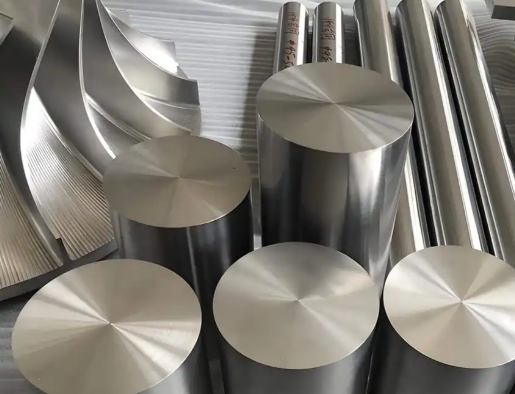
Physical and Chemical Properties
Beyond mechanical behavior, the physical and chemical properties of alpha-beta titanium alloys strongly influence their suitability for aerospace, chemical processing, and medical applications.
Thermal Properties
Thermal conductivity of alpha-beta titanium alloys is relatively low, typically in the range of 6–8 W·m-1·K-1 at room temperature. This contributes to localized heating during machining and welding, affecting process control and tool life.
Coefficients of thermal expansion (CTE) are generally around 8–10 × 10-6 K-1 between room temperature and moderate temperatures, which is lower than aluminum alloys but higher than some steels. This property plays a role in dimensional stability and joint design when titanium components are integrated with dissimilar materials.
Corrosion Resistance
Alpha-beta titanium alloys are known for their corrosion resistance in many environments due to the formation of a stable, adherent titanium oxide film on the surface. The passive film provides protection in:
- Oxidizing aqueous environments, including many chloride-containing solutions.
- Atmospheric conditions and marine environments, where resistance to pitting and crevice corrosion is generally good.
- Many industrial chemical environments, including certain acids, alkalis, and chlorides, within defined concentration and temperature ranges.
However, some environments can be aggressive to titanium alloys, including highly reducing acids or strongly fluorinated media. In such cases, specific alloy selection and careful evaluation of service conditions are required.
Biocompatibility and Surface Behavior
Alpha-beta titanium alloys such as Ti-6Al-4V ELI and Ti-6Al-7Nb are widely applied in biomedical implants. The passive titanium oxide layer contributes to favorable tissue response and low ion release in physiological environments.
Surface modification techniques such as sandblasting, acid etching, anodizing, and coatings can be used to tailor surface roughness, wettability, and biological interactions for medical devices. Although bulk mechanical properties are determined by alloy chemistry and microstructure, surface treatments frequently govern osseointegration and wear performance in joint replacements and dental implants.
Workability, Machinability, and Joining
Processing alpha-beta titanium alloys into final components involves forging, forming, machining, and joining. Their unique combination of strength, reactivity at high temperature, and low thermal conductivity requires specific process controls.
Forming and Forgeability
Alpha-beta titanium alloys exhibit good hot forgeability when processed in the alpha-beta temperature range with appropriate strain rates. Key considerations include:
Deformation temperature: typically chosen between about 900 and 980 °C for alloys like Ti-6Al-4V, depending on desired microstructure and beta transus temperature.
Strain rate: controlled to avoid flow instability and to achieve uniform deformation. Excessively high strain rates at lower forging temperatures can lead to localized shear and microstructural damage.
Lubrication and die materials: selected to minimize die wear and prevent contamination of the titanium surface, considering the alloy’s high affinity for oxygen and nitrogen at elevated temperatures.
Forming at intermediate temperatures (warm forming) is employed for sheet and thin sections to balance formability and dimensional control. Springback and anisotropy must be considered in tooling and process design.
Machining Characteristics
Machining alpha-beta titanium alloys poses several challenges related to their low thermal conductivity, relatively high strength, and reactivity with tool materials. These characteristics can lead to elevated cutting temperatures, accelerated tool wear, and difficulties in chip control.
Effective machining strategies typically include:
- Use of sharp, wear-resistant tools (e.g., carbide, coated carbide, cermet) with suitable geometries to reduce cutting forces.
- Moderate cutting speeds, relatively high feed rates, and depth of cut chosen to limit heat buildup at the cutting edge.
- Generous use of high-pressure coolant to dissipate heat, lubricate the cutting interface, and improve chip evacuation.
Attention to surface integrity is important, especially in fatigue-critical applications. Excessive machining-induced residual tensile stresses, microcracking, or surface damage can significantly reduce fatigue life.
Welding, Brazing, and Other Joining Methods
Weldability of alpha-beta titanium alloys is generally good, provided that appropriate shielding is used to prevent contamination by atmospheric gases. Common welding processes include:
Gas tungsten arc welding (GTAW/TIG) and gas metal arc welding (GMAW/MIG) with inert gas shielding (typically argon or helium) applied to both the weld pool and the high-temperature heat-affected zone (HAZ), often with trailing shields or chambers.
Laser beam and electron beam welding for precision joints, deep penetration, and minimal heat input, especially suited for aerospace and high-integrity components.
Key requirements for welding include careful surface preparation (removal of oxides, contaminants, and moisture), adequate shielding, and control of heat input. Post-weld stress relief or annealing may be used to stabilize microstructure and reduce residual stresses, depending on service demands.
Mechanical fastening (bolting, riveting) and diffusion bonding are also used where welding is less suitable or when dissimilar materials are joined. Choice of joining method depends on design requirements, environment, and inspection possibilities.
Applications of Alpha-Beta Titanium Alloys
Alpha-beta titanium alloys are used across many sectors because they deliver high specific strength, corrosion resistance, and reliable performance over a wide temperature range. Application selection is often based on a combination of mechanical properties, manufacturing route, and environmental resistance.
Aerospace Structures and Engines
Aerospace is the largest consumer of alpha-beta titanium alloys. Typical uses include:
Airframe components: such as fuselage frames, bulkheads, landing gear components, wing fittings, and high-strength fasteners. Ti-6Al-4V is often employed for its balance of strength, toughness, and corrosion resistance, especially where weight reduction is crucial.
Engine components: compressor discs, blades, casings, and other rotating parts where high strength is needed at temperatures up to approximately 400 °C. Alpha-beta alloys with carefully controlled microstructures provide the necessary fatigue and creep performance within defined operating envelopes.
Hydraulic and fuel system hardware: tubing and connectors utilizing alloys like Ti-3Al-2.5V for their combination of strength, corrosion resistance, and formability in thin-walled sections.
Biomedical Implants and Devices
In the biomedical field, alpha-beta titanium alloys are widely used due to their mechanical compatibility with bone, corrosion resistance in physiological fluids, and favorable biological response. Typical applications include:
- Orthopedic implants: hip and knee joint components, spinal fixation devices, bone plates, and screws.
- Dental implants and abutments: where biocompatibility, osseointegration, and long-term stability are critical.
- Cardiovascular devices: such as certain types of heart valve housings and vascular stents, depending on design requirements.
Low interstitial variants (e.g., ELI grades) are often used to improve toughness and reduce risk of brittle behavior under cyclic loading in the body.
Marine, Chemical, and Industrial Uses
Alpha-beta titanium alloys are employed in environments where a combination of strength and corrosion resistance is required:
Marine and offshore structures: propeller shafts, fasteners, and structural elements exposed to seawater, where resistance to pitting and crevice corrosion is important and weight reductions contribute to performance and fuel efficiency.
Chemical processing equipment: heat exchanger tubes, reactor vessels, piping, and valves in environments where chlorides, oxidizing agents, or mixed media would aggressively attack many other materials.
Power generation and energy: components in gas turbines, heat exchangers, and certain parts of nuclear facilities where integrity, corrosion resistance, and low activation (in some cases) are relevant.
In industrial applications, careful analysis of service environment (temperature, chemical composition, stress, and exposure time) is essential for suitable alloy selection and design of corrosion allowances or protective measures.
Sports, Automotive, and Specialty Applications
While high cost limits widespread use, alpha-beta titanium alloys appear in specialized products where performance outweighs material expense:
High-performance automotive components: connecting rods, valves, fasteners, and springs in racing or high-end applications that benefit from reduced mass and high strength.
Sports equipment: bicycle frames, golf club heads, and racquet frames where high specific strength, fatigue resistance, and corrosion resistance contribute to long-term durability and performance.
Industrial tools and instrumentation: where non-magnetic behavior, corrosion resistance, and high strength are needed, including specific measurement devices and components used in harsh environments.
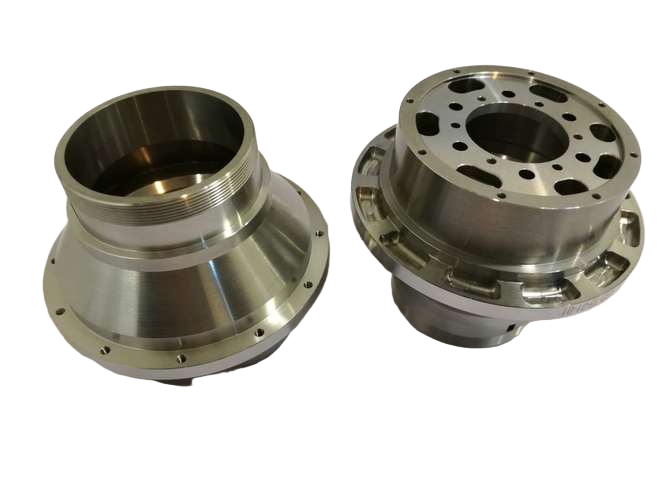

Design Considerations for Alpha-Beta Titanium Alloys
Successful application of alpha-beta titanium alloys depends on a thorough understanding of their behavior under real service conditions and manufacturing limitations.
Selection Strategies for Alloys and Conditions
Engineers typically consider several factors when selecting an alpha-beta titanium alloy:
- Required strength, stiffness, and toughness at operating temperature.
- Expected fatigue loading and desired life, including load spectrum and mean stress.
- Exposure to corrosive or high-temperature environments.
- Compatibility with manufacturing processes such as forging, machining, and welding.
For instance, Ti-6Al-4V may be chosen for a variety of moderately loaded aerospace and biomedical components, while more heavily alloyed compositions might be selected for high-strength or higher-temperature service, especially in rotating machinery.
Microstructural Control and Property Optimization
Design and manufacturing teams must coordinate to specify thermomechanical processing and heat treatments that deliver the required microstructure. Typical approaches include:
Defining forging temperature ranges and reduction schedules that produce desired primary alpha content and grain size.
Specifying annealing or solution-treatment and aging protocols that balance strength and ductility.
Controlling interstitial elements (particularly oxygen) to manage the trade-off between strength and toughness, especially in critical components.
Non-destructive evaluation (NDE) methods such as ultrasonic inspection and radiography are routinely implemented to ensure defect populations remain within acceptable limits for fatigue-critical or fracture-critical parts.
Service Environment and Long-Term Performance
In service, alpha-beta titanium alloys may be subjected to combined mechanical and environmental loading. Design analyses should address:
Potential for corrosion fatigue in aggressive environments combined with cyclic stresses.
Thermal cycling effects on microstructure and residual stresses.
Wear and fretting at interfaces, particularly in joints or contact surfaces where relative motion occurs.
Where long-term performance is critical, material specifications often include strict requirements on cleanliness, microstructural uniformity, mechanical property scatter, and documented processing history.
| Design aspect | Key considerations |
|---|---|
| Mechanical loading | Required yield strength, ultimate strength, fatigue life, fracture toughness, and creep resistance at service temperature |
| Environment | Corrosive species, temperature, presence of cyclic wet-dry conditions, and potential for corrosion fatigue |
| Manufacturing route | Forgeability, machinability, weldability, and compatibility with available equipment and inspection methods |
| Component geometry | Section thickness, tolerance requirements, notch effects, and stress concentrators |
| Quality control | Required degrees of cleanliness, acceptable defect sizes, microstructural uniformity, and NDE capabilities |
| Regulatory and standards | Compliance with aerospace, medical, or industrial specifications and approval processes |
FAQ About Alpha-Beta Titanium Alloys
What are alpha-beta titanium alloys?
Alpha-beta titanium alloys are titanium materials that contain both alpha (hexagonal close-packed) and beta (body-centered cubic) phases, offering a balance of strength, toughness, and formability.
What are common examples of alpha-beta titanium alloys?
Typical alloys include Ti-6Al-4V, Ti-6Al-2Sn-4Zr-2Mo, and Ti-6Al-7Nb, widely used in aerospace, medical, and industrial applications.
Are alpha-beta titanium alloys difficult to machine?
Compared with many steels and aluminum alloys, alpha-beta titanium alloys are more challenging to machine. Their low thermal conductivity leads to high cutting temperatures, and their high strength and reactivity can accelerate tool wear. With appropriate tool materials, cutting parameters, generous cooling, and optimized machining strategies, however, they can be machined reliably to high precision. Process planning must account for tool life, surface integrity, and potential residual stresses.
Why is Ti-6Al-4V the most widely used alpha-beta titanium alloy?
Ti-6Al-4V combines several desirable attributes: high specific strength, good fatigue resistance, generally good fracture toughness, and corrosion resistance in many environments. It can be forged, machined, and welded with well-established procedures, and its properties can be adjusted through standard heat treatments. This combination of performance, processability, and extensive industrial experience makes Ti-6Al-4V the reference alloy for many aerospace, industrial, and biomedical applications.
How do alpha-beta titanium alloys compare to near-alpha or beta alloys?
Alpha-beta alloys provide balanced mechanical properties, whereas near-alpha alloys excel at high temperatures, and beta alloys offer superior formability and deep hardenability.