Carbide machining
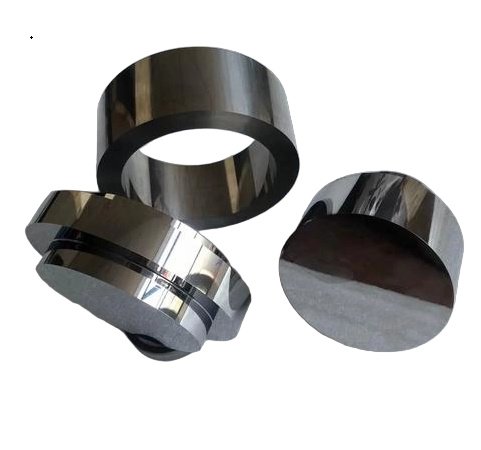
XCM specializes in advanced carbide machining, delivering high-precision tungsten carbide parts and cemented carbide parts engineered for extreme wear resistance and long service life. With state-of-the-art CNC machining and grinding capabilities, we manufacture complex carbide components with tight tolerances for demanding industries worldwide.
Carbide Machining Methods
CNC Milling
Precision machining process designed specifically for hard carbide materials, utilizing rigid CNC systems and specialized cutters to achieve high accuracy and surface quality
Carbide Tooling
End-to-end production of tailored carbide tools based on client specifications, including design, material selection, and performance testing for industrial use.CNC Drilling
High-speed hole-making process for precise diameters and depths. Commonly used for threaded holes, fastener placements, and assembly features.
CNC Grinding
A post-machining process that ensures micron-level tolerances and superior surface finishes on carbide parts, often used in tooling and aerospace applications .
CNC EDM
Uses electrical sparks to erode material, enabling machining of hard metals and intricate internal geometries that traditional cutting cannot achieve.
5-Axis CNC Machining
Advanced machining that moves tools across five axes simultaneously. Enables highly complex shapes, reduced setups, and superior surface finish.
Carbide Machining Machines

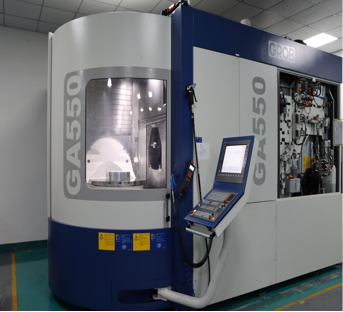
G550 5-Axis Universal Machining Center By GROB Germany Maximun Working Travel: 800MM X 1020 MM X 970MM Max.Speed: 65/50/80(m/min)
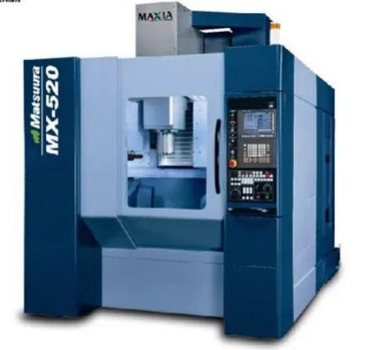
Matsuura 5-Axis matsuura nx- 520 18,000 rev / min Accuracy: 0.005mm (Linear encoder)
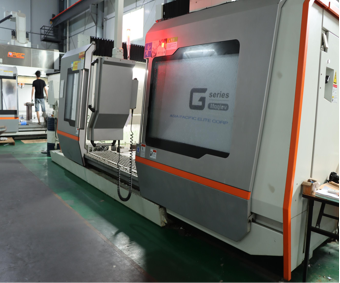
5-Axis High-Speed Gantry Machining Center By APEC Tai Wan China Maximun Working Travel: 4000MM X 2500 MM X 1000MM Max. Speed: 24,000 (RPM)
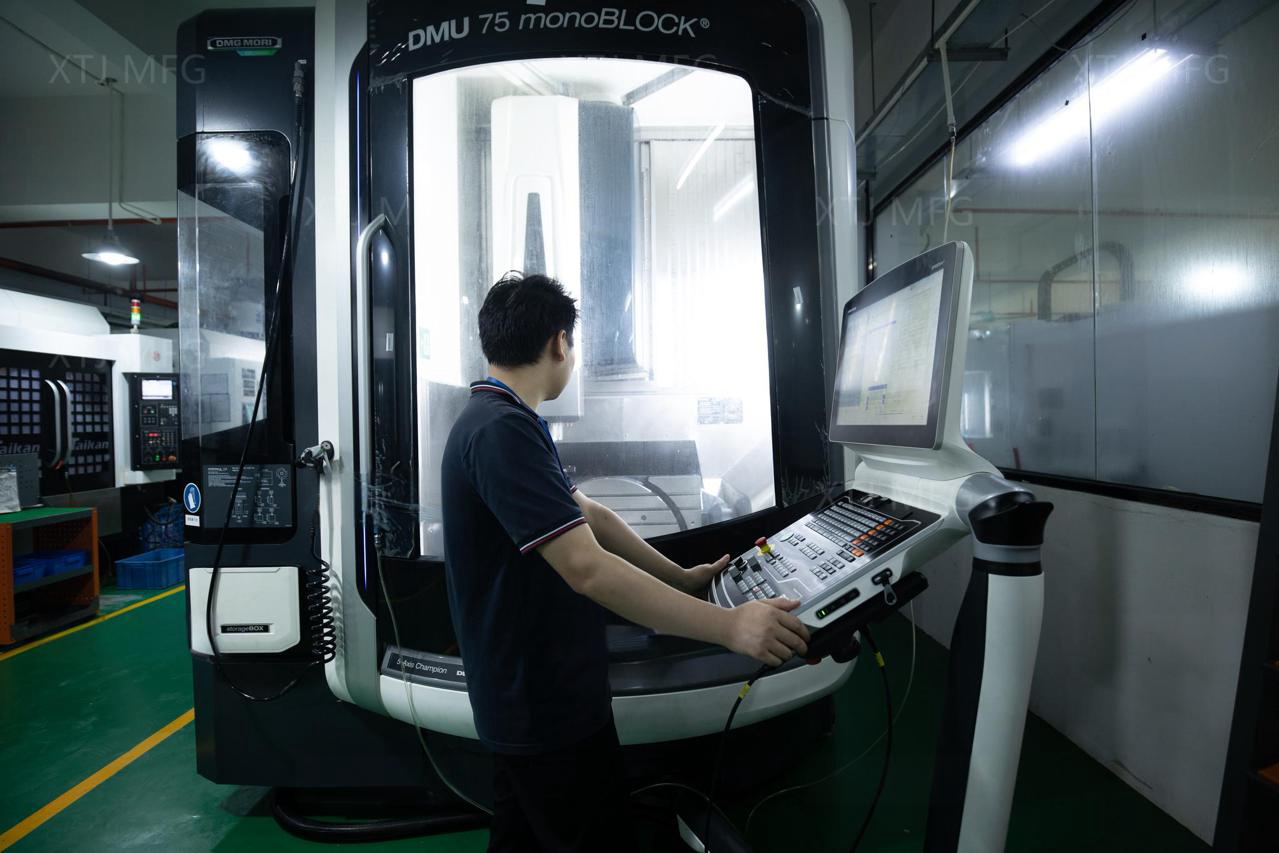
DMU75 MonoBlock Universal Machining Center By DMG Germany Maximun Working Travel 750MM X 650 MM X 560MM Max. Speed:65 X 50 X 80 (m/min)
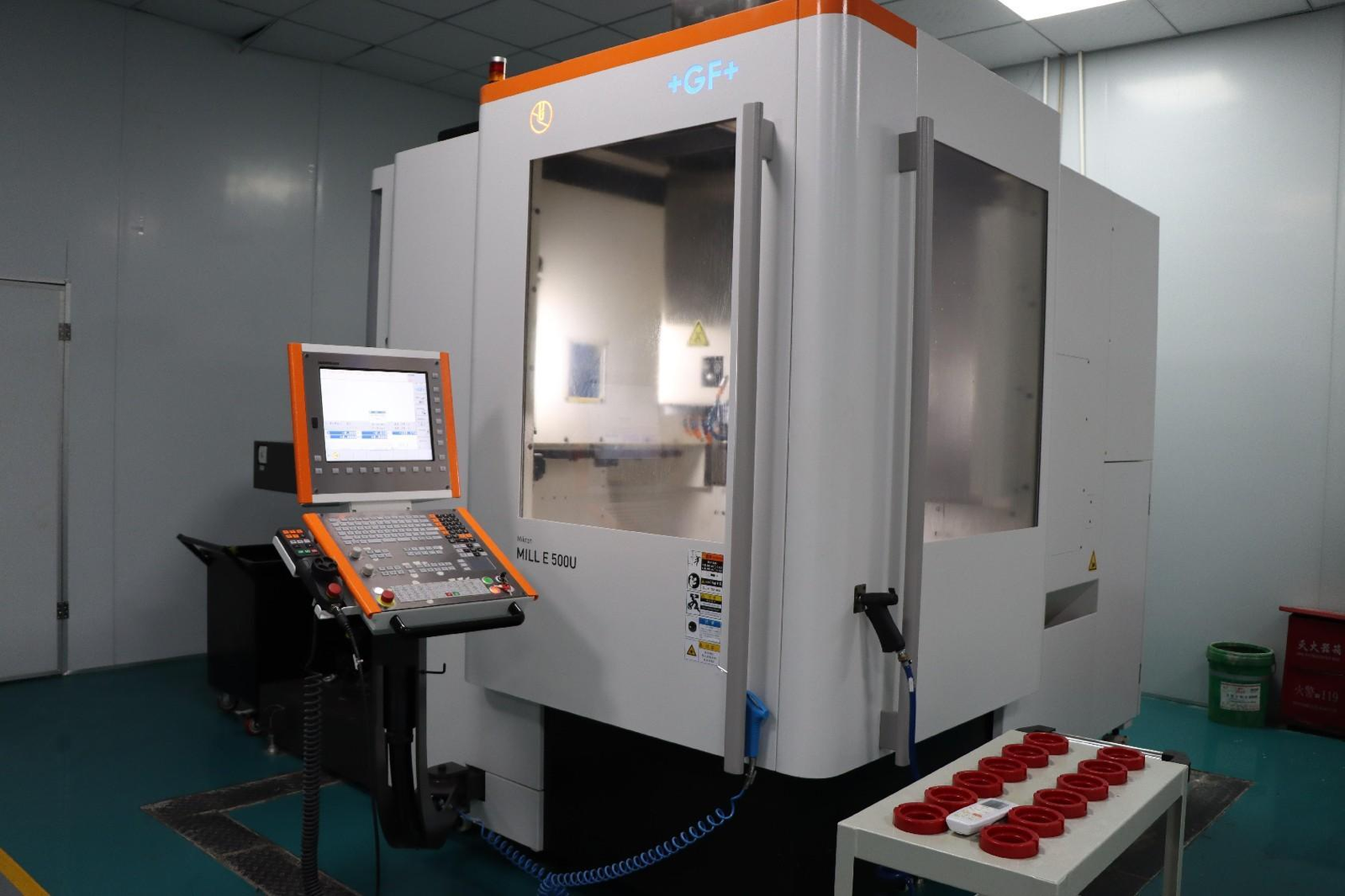
The Mikron MILL E 500 U By GF Machining Solutions UK Maximun Working Travel: 500MM X 450 MM X 400MM Max. Speed: 20,000 (RPM)
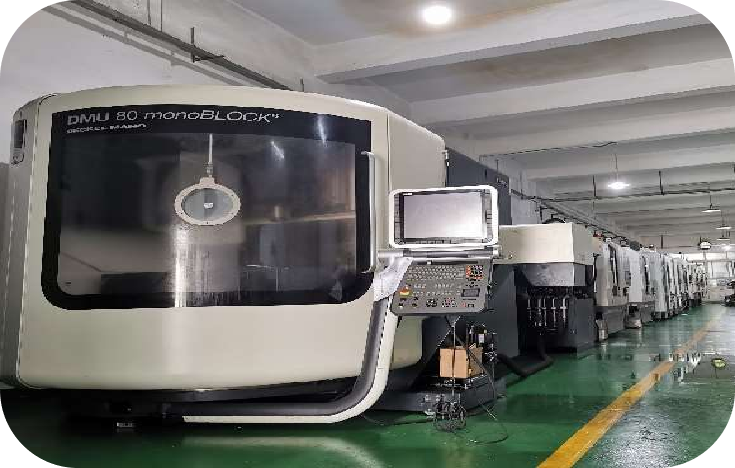
XCM stands out as a premier provider of CNC machining services and the company delivers reliable solutions for diverse needs.
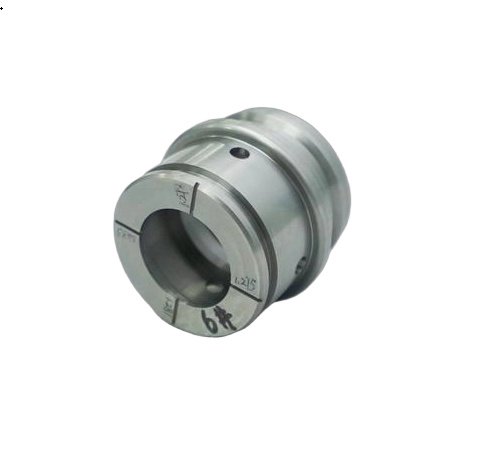
Carbide machining is essential for industries requiring exceptional hardness, heat resistance, and durability. At XCM, we combine precision CNC machining with specialized tooling and grinding processes to handle the unique challenges of tungsten carbide materials.
Our carbide machining services ensure:
- Ultra-tight tolerances and high dimensional accuracy
- Superior surface finishes through precision grinding
- Consistent quality in both prototyping and mass production
- Efficient machining of complex geometries and micro components


Material
- Tungsten Carbide (WC-Based Alloys) – Engineered for exceptional hardness and superior wear resistance, ideal for high-load, high-abrasion environments.
- Cemented Carbide (WC-Based Composites) – A composite of tungsten carbide particles bonded with metallic binders (such as cobalt or nickel), offering an optimal balance of hardness, toughness, and structural integrity for demanding tooling applications.
- Carbide Composites (Advanced Carbide Systems) – Tailored material solutions incorporating multiple carbide phases or customized binder systems to achieve specific performance characteristics in extreme operating conditions.
Carbide Products
Including:
- Carbide Wire Drawing Dies
- Carbide Cold Heading Dies
- Carbide Stamping Dies
- Powder Metallurgy Dies & Tooling
Engineered for high durability and dimensional stability in forming and shaping processes.
Including:
- Tungsten Carbide Nozzles
- Tungsten Carbide Bearings
- Tungsten Carbide Rolls
- Tungsten Carbide Wear Parts
Optimized for extreme operating conditions such as high pressure, abrasion, and corrosion.
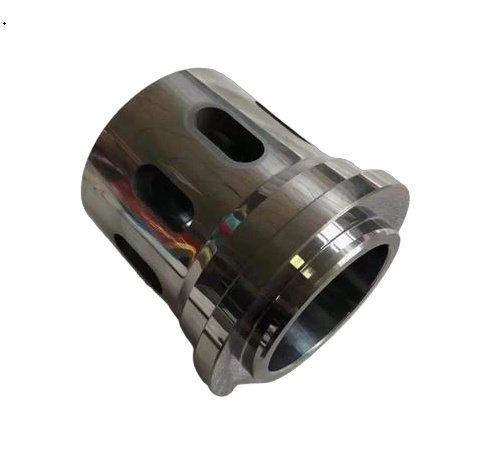
Carbide Bushings & Sleeves
High-precision carbide bushings and sleeves designed for wear resistance and extended service life in high-load environments.
Tungsten Carbide Components
Custom tungsten carbide components manufactured to meet exact specifications, including complex geometries and tight tolerances.
Design for Tungsten Carbide Machining
Good carbide part design reduces cost, improves yield, and prevents premature failure. Since tungsten carbide has high compressive strength but limited tensile toughness, the design should reduce sharp tensile stress risers and avoid fragile unsupported sections whenever possible.
- Use practical internal radii where the application allows; sharp internal corners often require EDM and may increase crack risk.
- Avoid extremely thin walls, long unsupported pins, and knife edges unless the operating load is very low.
- Specify chamfers or controlled edge breaks to reduce chipping during handling and assembly.
- Separate functional surfaces from non-critical surfaces so grinding time is focused where it matters.
- Define which surfaces require polishing, lapping, or EDM recast removal.
- Consider segmented carbide inserts instead of one large monolithic carbide component for high thermal or mechanical stress.
- For shrink-fit or brazed assemblies, account for thermal expansion mismatch between carbide and steel.
A practical drawing should identify critical-to-function dimensions, contact surfaces, wear surfaces, datums, edge conditions, surface finish requirements, and inspection standards. Over-tolerancing non-functional features can increase grinding time substantially without improving performance.
Problems Solved by Precision Carbide Machining
Problem 1: Chipping on Carbide Punch Edges
A stamping application using carbide punches experienced early edge chipping after less than 80,000 cycles. The root cause was a combination of sharp ground edges, small misalignment, and insufficient edge preparation. By changing to a controlled micro-radius and improving OD-to-face perpendicularity, tool life increased to more than 300,000 cycles in the same material and press condition.
Problem 2: Premature Wear in Abrasive Metering Components
A powder-processing metering part made from hardened tool steel lost dimensional accuracy after approximately two weeks of operation. Replacing the wear surface with a fine-grain tungsten carbide insert and grinding the flow land to a controlled finish reduced measurable wear by more than 70% over the first 90 days of service.
Problem 3: Leakage Across a Carbide Seal Face
A carbide seal face met the print dimension but leaked during pressure testing. Profilometry and flatness inspection showed that the surface texture direction and localized waviness were unsuitable for the sealing interface. A revised lapping sequence reduced flatness variation to under 0.003 mm across the sealing band and improved leakage performance during test cycling.
Why dimensional compliance alone may not prevent failure
Carbide components can pass basic dimensional inspection while still failing due to edge damage, tensile stress concentration, EDM surface damage, grinding checks, surface texture mismatch, or grade selection. For wear and sealing applications, the inspection plan should evaluate geometry, surface integrity, and functional contact surfaces together.
Quality Controls for Reliable Carbide Machining
Reliable carbide machining depends on controlled process planning, not only operator skill. The most important controls include stable fixturing, wheel dressing, coolant concentration, spark-out strategy, EDM flushing, heat input control, and inspection correlation between shop-floor and final measuring equipment.
- Incoming material verification for grade, blank dimensions, density, and visible defects
- Process routing that separates rough grinding, stress-sensitive finishing, and final lapping
- Controlled diamond wheel selection based on grit size, bond type, concentration, and geometry
- Microscopic inspection for chips, cracks, EDM recast, and edge breakout
- Surface roughness measurement for sliding, sealing, metering, and wear surfaces
- Documented dimensional inspection using calibrated equipment and defined datums
For high-value carbide components, process stability can be more valuable than maximum removal rate. A slower but controlled grinding or EDM process often produces better yield, lower scrap risk, and more predictable performance in the final assembly.
Application

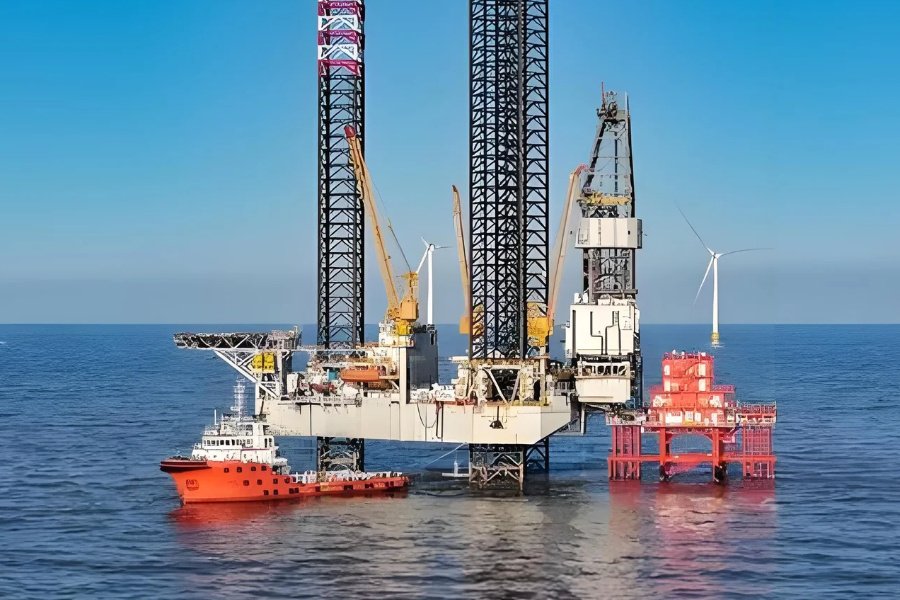
Maritime and Oil & Gas
XCM passed ISO9001, Marine oil field machining components rely on five-axis linkage ultra-precision machining technology, combined with Inconel/Ti-6Al-4V and other special alloy materials, the precision of key components up to ±0.005mm, nano-coating and deep nitriding treatment, corrosion resistance increased by 60%, Can withstand 1000℃ high temperature and 180MPa high pressure environment. XCM extends component life up to 120,000 hours through four-stage gas seal testing and stress/temperature/wear/vibration suppression technology.

Aerospace
Micron machining 5-axis CNC technology (accuracy ±0.003mm) supports complex surface processing of titanium alloy and nickel-based superalloy; The intelligent cutting parameter optimization system controls the tool load in real time and reduces the machining loss by 22%.Complex Geometry Fabrication Achieves intricate shapes (e.g., turbine disks, airfoils) via CNC programming, meeting aerodynamic and lightweight requirementsAutomated Production Minimizes human errors and enhances efficiency through CNC automation, ensuring consistency in large-scale manufacturing
Medical
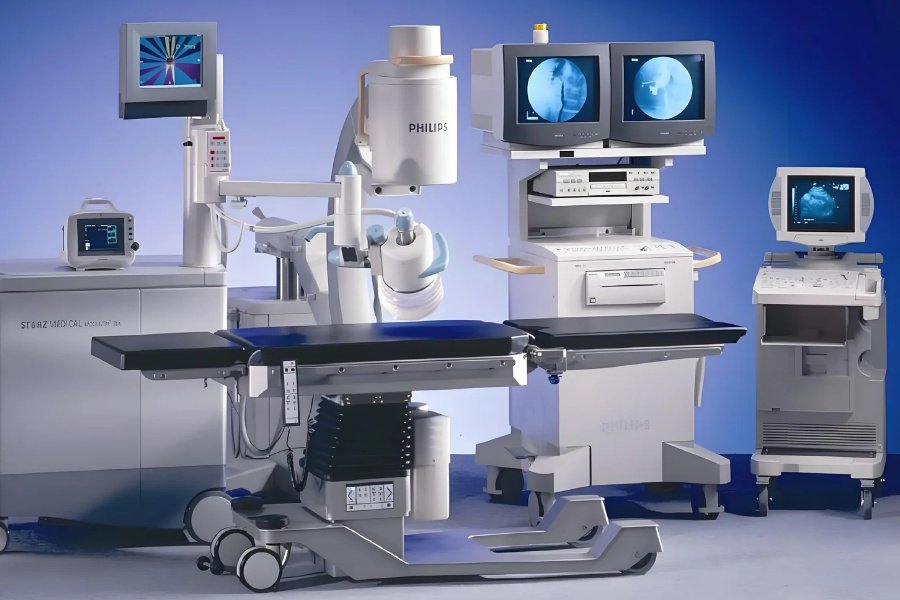
Through ISO 9001 and ISO 13485 certification, relying on five-axis ultra-precision machining technology, combined with medical grade titanium alloy (Ti-6Al-4V ELI), cobalt-chromium alloy and biocompatible materials such as PEEK, the processing accuracy of key implants is up to ±0.005mm, and through nano-level electrolytic polishing and passivation treatment, surface roughness can reach to Ra≤0.1μm. Through stress optimization and microdefect control technology make the component life of more than 15 years, the defect rate < 0.005%.

Energy
The advantages of XCM in the field of energy component processing are reflected in three aspects: technology, efficiency and sustainability. The five-axis linkage CNC system and ultra-precision machining technology can complete high-precision machining of high-end components such as complex surfaces and thin-walled structures (accuracy up to ±0.003mm), meeting the requirements of harsh working conditions such as wind turbine blades and nuclear power seals. Through computer software programming and process optimization, the processing efficiency can be increased by more than 30%, material loss can be reduced by 15%, and the unit cost can be reduced by 20%.

Robotics & Automation
XCM has become an ideal partner for robot component manufacturing with its high-precision processing technology and industry experience. We use imported five-axis CNC equipment (accuracy ±0.01mm) and strict quality inspection processes to ensure the durability and dynamic performance of key components such as robot arm joints and reducers. The mature one-stop service covers design optimization, material selection to mass production, supports the processing of special materials such as titanium alloy and carbon fiber, and meets the lightweight requirements of collaborative robots and high load requirements of industrial robots.

Automotive
As a professional partner in the field of precision parts processing in the automotive industry, XCM provides customers with high-precision and high-reliability component solutions with advanced CNC machining technology, intelligent production systems and rich industry experience. We use advanced machine tools such as five-axis linkage machining centers and turning and milling equipment, combined with a strict IATF 16949 quality management system to ensure that the dimensional accuracy of various metal parts reaches the micron level, fully meeting the stringent requirements of key parts such as engines and transmission systems.