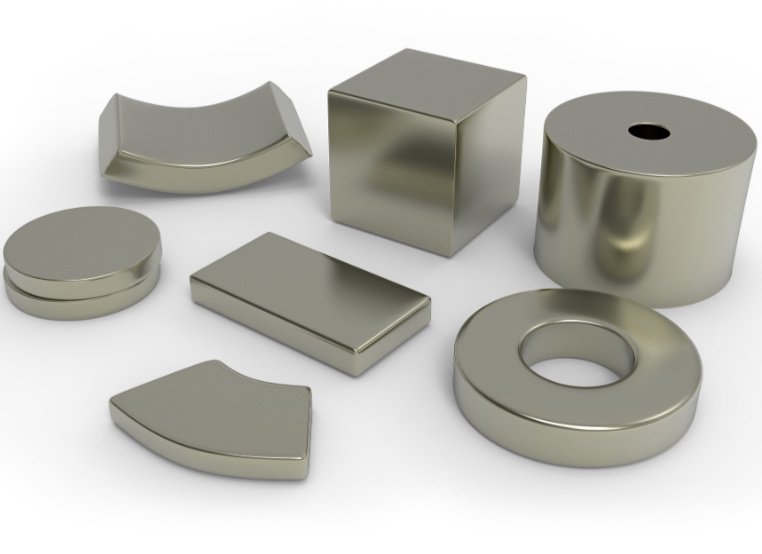
Exotic alloys are metallic materials engineered for performance beyond conventional steels and aluminum alloys. They are used when structures must withstand extreme temperature, pressure, corrosion, radiation or mechanical loading. This guide explains key families of exotic alloys, their compositions, properties, selection methods, processing practices and typical applications.
Definition and Classification of Exotic Alloys
Exotic alloys are metallic systems designed for demanding service conditions in which standard engineering alloys cannot provide sufficient performance or durability. The “exotic” designation usually reflects one or more of the following:
- High alloying levels with expensive or rare elements (e.g., Ni, Co, Mo, W, Ta, Nb, Re)
- Specialized microstructures requiring controlled heat treatment or solidification routes
- Exceptional temperature resistance, corrosion resistance, or mechanical strength
They can be classified according to base element, property focus, or application domain.
Classification by Base Element
Common base-metal categories include:
- Nickel-based alloys (superalloys, corrosion-resistant grades)
- Cobalt-based alloys (wear- and heat-resistant)
- Titanium alloys (high specific strength, corrosion resistant)
- Refractory metal alloys (Mo, W, Ta, Nb based for ultra-high temperature)
- High-alloy stainless steels and special Fe-based alloys
Classification by Primary Performance Requirement
Another practical grouping is by dominant design requirement:
High-temperature mechanical strength: usually Ni-based and Co-based superalloys, some refractory alloys.
Corrosion and oxidation resistance: high-Ni Cr-Mo alloys, high-alloy stainless steels, Ti alloys for specific media.
High specific strength and fatigue resistance: Ti alloys, some Ni-based superalloys, maraging steels.
Radiation and hydrogen compatibility: selected Ni, Zr, and Ti alloys in nuclear and hydrogen-related systems.
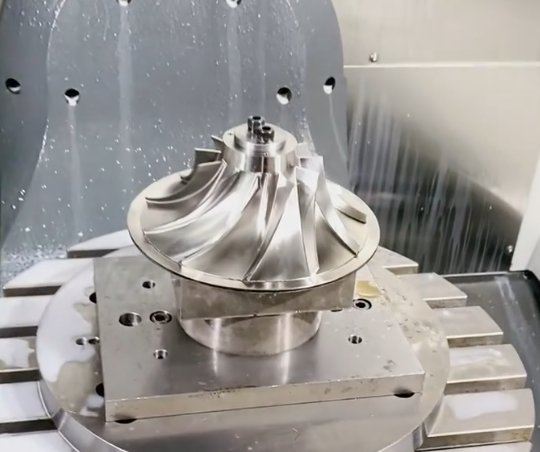
Principal Families of Exotic Alloys
This section summarizes the most important alloy families and their characteristic features relevant to design and materials selection.
Nickel-Based Superalloys
Nickel-based superalloys are the workhorse materials for high-temperature turbine components and other hot-section hardware.
Typical composition ranges (mass percent):
- Ni: balance (often >50%)
- Cr: 10–25% for oxidation and corrosion resistance
- Co: 0–20% for solid-solution strengthening
- Mo, W, Re: 0–10% each for solid-solution strengthening and creep resistance
- Al, Ti, Nb, Ta: 1–8% total for γ′ (Ni3(Al,Ti)) precipitation strengthening
- B, C, Zr: minor additions for grain boundary strengthening
Key characteristics:
Temperature capability: many wrought grades operate reliably up to ~700–750 °C, while single-crystal turbine blade alloys can exceed 1050 °C metal temperature under carefully controlled conditions.
Strengthening mechanisms: γ matrix with coherent γ′ precipitates, solid-solution strengthening, grain boundary engineering and controlled carbide distribution.
Microstructural control is critical; heat treatment steps typically include solution treatment and aging to develop the desired precipitate size and volume fraction.
Cobalt-Based Alloys
Cobalt-based alloys are used where wear resistance, hot corrosion resistance or bio-compatibility is critical. They typically contain Co as the base, with Cr, W, Ni, Fe, C, and sometimes Mo.
Key characteristics include:
Good hot strength and excellent resistance to wear, galling and thermal fatigue. Cobalt alloys with carbides (e.g., Stellite-type) are used in valve seats, cutting tools and surfaces exposed to erosive or corrosive flow.
Many biomedical implants use Co-Cr-Mo alloys because of corrosion resistance in body fluids, high strength and acceptable biological response.
Titanium Alloys
Titanium alloys are selected primarily for their high strength-to-weight ratio, corrosion resistance and good performance at moderate temperatures.
Main types:
- α alloys: non-heat-treatable, good weldability, excellent corrosion resistance, usable up to ~500–550 °C.
- α+β alloys (e.g., Ti-6Al-4V): heat-treatable, balance of strength and toughness, widely used in aerospace and medical fields.
- β and near-β alloys: higher strength potential and hardenability, often used for highly loaded structural parts.
Typical composition example: Ti-6Al-4V (Ti-6Al-4V): ~6% Al, 4% V, balance Ti; yield strengths in the range 800–1000 MPa for common conditions, with density ~4.4–4.5 g/cm³.
Refractory Metal Alloys
Refractory alloys are based on metals with exceptionally high melting points, such as Mo, W, Ta and Nb. They are used for applications requiring structural integrity at temperatures above the working range of nickel-based alloys.
Key attributes:
Very high melting points (W ~3420 °C, Mo ~2620 °C, Ta ~3017 °C, Nb ~2477 °C).
High elastic modulus and good creep resistance at extreme temperatures, especially in vacuum or inert atmospheres.
Challenges include poor oxidation resistance at high temperature in air and sometimes brittle behavior at lower temperatures.
High-Alloy Stainless Steels and Special Fe-Based Alloys
High-alloy stainless steels and Fe-based specialty alloys bridge the gap between conventional stainless and nickel-based alloys. They typically contain high levels of Cr, Ni, Mo, N and sometimes Cu.
Representative subgroups:
- Super austenitic stainless steels: high Ni and Mo, often with N, for strong resistance to chloride-induced pitting and crevice corrosion.
- Duplex and super duplex stainless steels: austenite–ferrite microstructures for high strength and stress corrosion cracking resistance.
- Precipitation-hardening stainless steels: Fe–Cr–Ni–Cu systems strengthened by aging treatments.
Other Specialized Exotic Alloys
Additional systems include:
Shape memory and superelastic alloys: typically Ni-Ti and Cu-based alloys that exhibit recoverable deformation and functional properties in actuators and medical devices.
High-entropy alloys (not detailed here) and other multi-component systems with near-equiatomic compositions, used where diverse property combinations are required.
Key Properties and Performance Parameters
When evaluating exotic alloys, it is important to quantify the relevant mechanical, thermal and environmental properties for the intended operating conditions.
Mechanical Properties
Typical mechanical parameters include yield strength, ultimate tensile strength, ductility, fracture toughness, fatigue performance and creep resistance.
| Alloy type (example) | Density (g/cm³) | Yield strength (MPa) | UTS (MPa) | Elongation (%) |
|---|---|---|---|---|
| Ni-based superalloy (wrought) | 7.9–8.4 | 700–1100 | 900–1300 | 10–30 |
| Ti-6Al-4V (α+β Ti alloy) | 4.4–4.5 | 800–1000 | 900–1100 | 10–15 |
| Co-Cr-Mo biomedical alloy | 8.3–8.9 | 450–900 | 650–1100 | 5–25 |
| Super duplex stainless steel | 7.8–7.9 | 450–550 | 650–800 | 20–30 |
| Refractory alloy (Mo-based) | 9.5–10.5 | 500–800 | 700–1000 | 5–15 |
Creep properties are often more critical than room-temperature strength. Creep performance is described using parameters such as:
Minimum creep rate (steady-state creep rate) at a given stress and temperature.
Time to rupture under constant load and temperature (stress-rupture life).
Allowable stress as a function of temperature and design life in codes and standards.
Thermal and Physical Properties
Key thermal and physical parameters for exotic alloys include:
- Coefficient of thermal expansion (CTE)
- Thermal conductivity
- Specific heat capacity
- Melting or solidus/liquidus temperatures
Nickel-based superalloys generally have moderate CTE and low-to-moderate thermal conductivity, which influences thermal stress development in turbine blades and discs.
Titanium alloys typically have lower thermal conductivity than steels and a relatively low CTE; this is beneficial for certain aerospace structures but influences machining and heat removal during processing.
Refractory alloys often have high thermal conductivity and high melting points, but oxidation behavior must be carefully addressed at elevated temperature.
Corrosion and Oxidation Resistance
Corrosion and oxidation resistance are central to the selection of exotic alloys in chemical processing, oil and gas, power generation and marine environments.
Principal mechanisms of resistance include:
Formation of stable, protective oxide layers, typically Cr2O3 or Al2O3 scales in Ni-based and Fe-based alloys, and TiO2 in titanium alloys.
Alloying with Mo, N and Cu to enhance resistance to localized corrosion (pitting, crevice, and stress corrosion cracking) in chloride or acidic media.
Titanium alloys form stable TiO2 films that provide excellent resistance to many chloride-bearing aqueous environments and oxidizing acids, but some reducing acids and strong fluorides can be aggressive.
Fatigue and Fracture Behavior
In many critical components, fatigue resistance and fracture toughness are decisive design criteria.
Fatigue performance depends strongly on surface condition, microstructural features (grain size, inclusion content, precipitate distribution) and environmental conditions.
Nickel-based superalloys and Ti alloys can achieve high fatigue resistance when processed properly, but they are sensitive to defects such as inclusions, pores and surface damage.
Fracture toughness is typically higher in austenitic and duplex stainless steels, moderate to high in many Ti alloys, and more limited in some refractory and cobalt-based alloys depending on composition and microstructure.
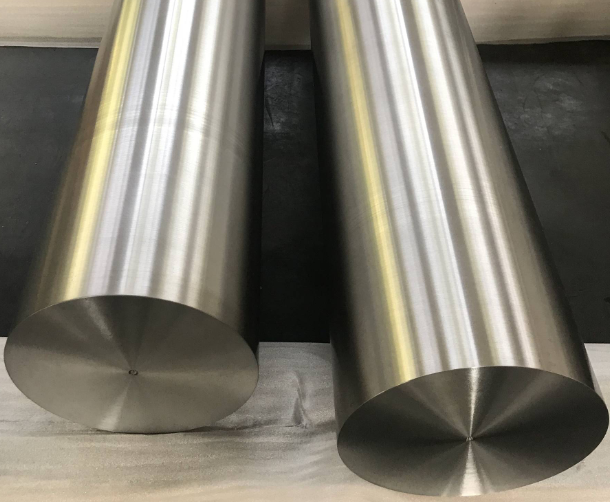
Alloy Selection Strategies and Considerations
Choosing an exotic alloy requires a structured approach aligned with design requirements, regulatory constraints and manufacturing capabilities.
Defining Service Conditions
Initial selection begins with a precise definition of service conditions, including:
Operating temperature range, including transient excursions.
Mechanical loading: static, cyclic, impact, creep, and combined loading.
Environment: composition of fluids and gases, presence of chlorides, sulfides, oxidizing or reducing species.
Allowable deformation, deflection, and lifetime requirements.
Regulatory or code requirements for pressure vessels, medical devices, aerospace structures or nuclear components.
Balancing Performance and Density
Mass-sensitive applications such as aerospace, rotating machinery and high-performance transport systems require careful evaluation of specific properties (property per unit density).
| Alloy type | Density (g/cm³) | Yield strength (MPa) | Specific yield strength (MPa·cm³/g) |
|---|---|---|---|
| Ti-6Al-4V | 4.4 | 900 | ≈205 |
| Ni-based superalloy | 8.2 | 900 | ≈110 |
| Super duplex stainless | 7.8 | 500 | ≈64 |
| Co-Cr alloy | 8.5 | 700 | ≈82 |
Titanium alloys often provide the highest specific strength among widely used structural alloys, making them attractive despite higher material and processing costs.
Environmental Compatibility and Corrosion Modes
Corrosion performance must be evaluated against the full spectrum of possible degradation modes:
Uniform corrosion in acidic or alkaline solutions.
Pitting and crevice corrosion in chloride-containing environments.
Stress corrosion cracking under tensile stress in specific media (e.g., chlorides, caustic solutions, sulfides).
Intergranular attack due to sensitization or phase precipitation.
High-temperature oxidation and hot corrosion in combustion gases with contaminants such as sulfur or vanadium.
Material datasheets, corrosion testing in representative environments, and empirical performance data from similar systems are essential for reliable selection.
Mechanical Design Allowables and Codes
For many critical components, allowable stresses and design factors are governed by international or industry standards. When choosing exotic alloys, engineers must ensure availability of qualified design data and code approvals.
Considerations include:
Availability of temperature-dependent allowable stresses for long-term service.
Qualified fatigue design curves for relevant load spectra.
Material traceability and certification requirements.
Cost and Supply Constraints
Exotic alloys often contain elements with limited production volumes or geographically concentrated resources. Consequences include high and variable alloy cost and potential lead-time issues.
When justifying exotic alloys, it is common to compare life-cycle costs rather than focusing solely on material cost per unit mass. Factors include inspection intervals, downtime, maintenance and replacement costs.
Manufacturing and Processing of Exotic Alloys
Manufacturing exotic alloys requires precise control of chemistry, microstructure and defect levels. Processing routes significantly influence material properties and cost.
Melting and Refining
Melting processes must control impurity levels (O, N, H, S, P) and ensure compositional homogeneity.
Common techniques include vacuum induction melting, vacuum arc remelting and electroslag remelting for high-purity ingots. Titanium and reactive alloys often require inert atmosphere or vacuum melting due to their affinity for oxygen and nitrogen.
Casting and Solidification Control
Many high-temperature components are cast to near-net shape, especially when complex internal passages or integral features are required.
Investment casting is widely used for turbine blades and vanes in Ni-based superalloys and Co-based alloys. Single-crystal and directionally solidified casting technologies orient grain structures to optimize creep resistance and fatigue performance.
Refractory alloys often demand specialized mold materials and controlled atmospheres to avoid reaction during casting.
Hot and Cold Working
Wrought forms (forgings, plate, bar, sheet) require careful control of working temperatures and deformation schedules.
Nickel-based superalloys typically exhibit narrow hot-working windows. Working outside recommended temperature ranges may cause cracking or microstructural damage.
Titanium alloys are more workable in the β or α+β phase field, but friction and galling must be controlled. Tooling materials and lubricants must be compatible with elevated temperatures and potential reactivity of titanium.
Heat Treatment
Heat treatment is crucial for developing the desired microstructures in exotic alloys.
Nickel-based superalloys: solution treatment followed by one or more aging steps to precipitate γ′ and other strengthening phases in controlled size and distribution.
Precipitation-hardening stainless steels and maraging steels: solution treatment followed by aging to form intermetallic precipitates (e.g., Ni3(Ti,Al) or other strengthening phases).
Titanium alloys: β annealing, duplex annealing or aging after solution treatment to tailor the α/β phase distribution and mechanical properties.
Surface Engineering and Coatings
Surface treatments and coatings extend the performance envelope of exotic alloys, especially in aggressive hot environments.
Typical approaches include:
Diffusion coatings (e.g., aluminizing) on Ni-based alloys to form protective aluminide layers and promote stable Al2O3 scales.
Thermal barrier coatings (TBCs), typically ceramic topcoats on metallic bond coats, to reduce metal substrate temperature in turbine blades and combustion components.
Nitriding, carburizing and other thermochemical treatments for wear and fatigue performance on certain exotic steels and Co-based alloys.
Joining and Fabrication Techniques
Joining exotic alloys requires attention to metallurgical compatibility, residual stresses, and potential degradation of properties in the heat-affected zone.
Fusion Welding
Fusion welding processes such as gas tungsten arc welding, laser beam welding and electron beam welding are commonly used for Ni-based and Fe-based exotic alloys. Key considerations are control of heat input, filler metal compatibility and avoidance of solidification cracking.
Titanium and some Ni-based alloys require inert gas shielding (often argon) on both weld pool and backside to prevent contamination and embrittlement by oxygen, nitrogen or hydrogen at high temperature.
Some superalloys and Co-based alloys are susceptible to liquation and solidification cracking; weldability may be improved by specific filler metals, controlled preheat and post-weld heat treatment.
Solid-State Joining
Advanced solid-state joining methods are often favored for difficult-to-weld exotic alloys:
Friction stir welding is used for some aluminum and Mg systems; in exotic alloys, variants of friction-based processes are applied in selected cases where temperature-sensitive microstructures must be preserved.
Diffusion bonding allows joining of high-temperature alloys, including refractory metals and titanium, without significant melting. Precise surface preparation, pressure and temperature control are necessary.
Hot isostatic pressing can consolidate powder or diffusion-bond interfaces, producing near fully dense sections with integrated joints.
Brazing and Soldering
Brazing is widely used for Ni-based superalloy assemblies, such as turbine components and heat exchangers with complex geometries. High-temperature Ni-based or precious-metal-based filler alloys are selected for compatibility and joint strength.
Process variables such as gap control, joint design, and atmosphere or vacuum quality have important effects on braze microstructure and mechanical performance.
Machining and Finishing
Exotic alloys are often more difficult to machine than conventional steels due to high strength, work-hardening tendency, low thermal conductivity, and abrasive phases.
Common practical considerations include:
Use of rigid machine setups and low vibrations to avoid chatter and surface damage.
Selection of cutting tools with high hot hardness and wear resistance (e.g., carbide, ceramic, cermet, polycrystalline diamond for Ti alloys under certain conditions).
Careful management of cutting speeds, feeds and coolant delivery to control temperature, minimize tool wear and avoid thermal damage to the workpiece.
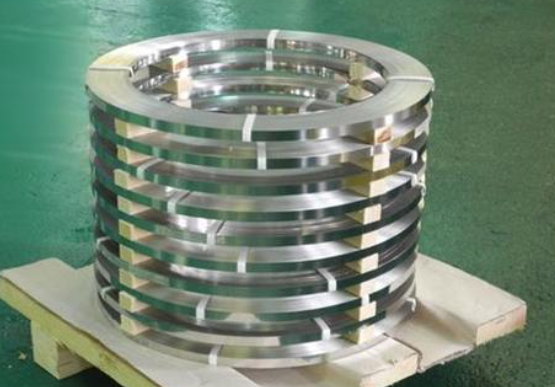
Applications of Exotic Alloys
Exotic alloys are deployed where failure would have severe safety, economic or operational consequences. The following subsections outline typical application domains.
Aerospace and Gas Turbines
Ni-based superalloys dominate hot sections of aircraft engines and industrial gas turbines, including turbine blades, vanes, discs and combustor hardware.
Ti alloys are widely used for fan blades, compressor discs, structural airframe components and fasteners, where weight savings and corrosion resistance are decisive.
Aluminized coatings and thermal barrier systems are integral to many high-temperature components to maintain durability under cyclic thermal and mechanical loads.
Chemical Processing and Oil & Gas
High-alloy stainless steels, Ni-based corrosion-resistant alloys and super austenitic/duplex grades are common in chemical reactors, heat exchangers, pipelines and subsea equipment.
Corrosion-resistant alloys are selected based on environmental specifics such as chloride concentration, temperature, pH and presence of CO2, H2S or organic acids.
Super duplex stainless steels often provide an effective balance of high strength and resistance to chloride-induced localized corrosion, which is important for compact designs and long subsea tiebacks.
Power Generation and Nuclear
Ni-based alloys, high-alloy stainless steels and certain refractory alloys are used for boiler tubes, steam generator components, reactor internals and heat exchangers.
Materials must exhibit stable microstructures under long-term exposure to high temperature, radiation and aggressive coolants.
Hydrogen embrittlement, stress corrosion cracking and irradiation-induced changes in properties must be considered in alloy selection and qualification.
Medical and Biomedical Devices
Ti alloys and Co-Cr-Mo alloys are widely used in implants due to their biocompatibility, corrosion resistance and mechanical properties.
Ni-Ti shape memory alloys are used in stents, guidewires and orthopedic devices requiring superelasticity and controlled actuation.
Surface finishes, cleanliness, and the presence of alloying elements such as Ni or Co must be evaluated in the context of biological response and regulatory approval.
High-Temperature Industrial Equipment
Refractory alloys and high-temperature Ni-based and Fe-based alloys are used in furnaces, thermal processing equipment, tooling for hot forming and certain high-intensity lighting applications.
Design must account for oxidation protection, thermal cycling, dimensional stability and potential creep deformation over the intended service life.
Common Issues and Engineering Considerations
While exotic alloys enable high performance, they introduce specific engineering considerations that must be addressed in design and operations.
1) Fabrication Difficulty and Process Sensitivity
Many exotic alloys have narrow processing windows. Deviations in heat treatment, welding procedures or deformation schedules can degrade properties such as creep strength, fracture toughness or corrosion resistance.
Robust process qualification, detailed procedure documentation and close quality control are required, including non-destructive inspection, microstructural verification and mechanical testing as appropriate.
2) Risk of Environmental Degradation
Even highly alloyed materials can suffer from localized corrosion, embrittlement or oxidation if used outside their intended conditions.
Examples include stress corrosion cracking of high-strength alloys in specific environments, hydrogen embrittlement of certain steels and titanium alloys, and rapid oxidation of refractory alloys in oxygen-rich atmospheres at high temperature.
Proper environment characterization, protective coatings and conservative design margins are important.
3) Inspection and Life Assessment
Critical components in exotic alloys often operate near the limits of material capability. Therefore, inspection regimes and life assessment methodologies must be established.
Common practices include periodic non-destructive evaluation for cracks, wall thinning or surface damage, monitoring of operating conditions and, where applicable, use of damage-tolerant design and fracture mechanics-based life predictions.
Data, Standards and Documentation
Reliable alloy selection and design rely on accurate property data and adherence to recognized standards.
Material Data Sources
Data may be obtained from manufacturer datasheets, handbooks, proprietary testing or publicly available databases. Key property sets include temperature-dependent mechanical properties, corrosion data in relevant media, fatigue and creep data and physical properties for thermal and structural simulations.
Standards and Specifications
Exotic alloys are commonly specified according to international or national standards defining chemical composition ranges, mechanical properties, product forms and test methods.
For critical applications, material specifications often require controlled melting routes, limits on impurity levels, specific heat treatments, and defined inspection and testing requirements.
Documentation and Traceability
Traceability is important to ensure that installed materials match design assumptions. Typical documentation includes mill test certificates, heat treatment records, welding procedure specifications and quality control reports.
Conclusion
Exotic alloys provide high performance in demanding environments by combining tailored compositions, microstructures and processing routes. Effective use of these materials requires careful evaluation of service conditions, mechanical and environmental properties, manufacturing capabilities and inspection strategies. With a structured approach to selection and design, exotic alloys can deliver reliable, long-lived components in aerospace, energy, chemical processing, medical and other critical systems.