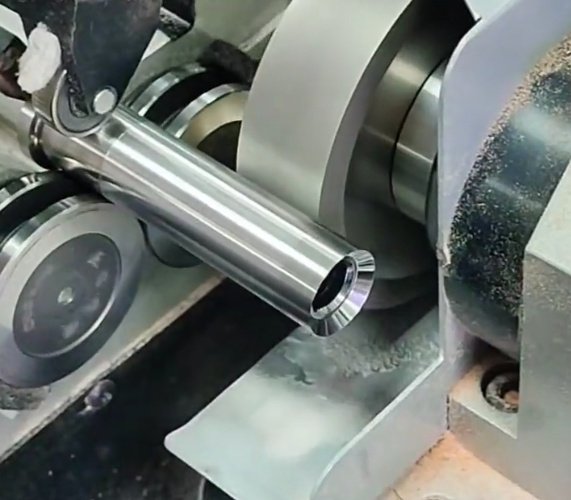
CNC grinding is one of the most accurate and consistent finishing processes in precision machining, but it is also one of the most cost‑sensitive. Understanding how CNC grinding cost is built up allows engineers, buyers, and estimators to specify the right process, avoid unnecessary expense, and compare supplier quotes objectively.
What Is CNC Grinding and When Is It Used?
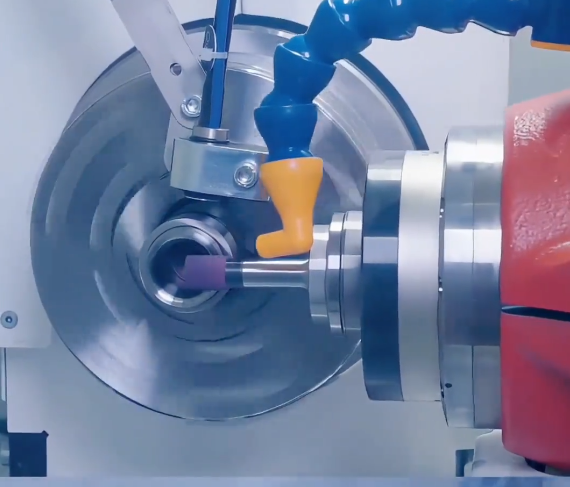
CNC grinding is a subtractive manufacturing process that uses a rotating abrasive wheel controlled by a CNC machine to remove small amounts of material and achieve tight tolerances or high-quality surface finishes. It is typically used for hardened steels, carbides, and other difficult-to-machine materials where milling or turning cannot achieve the required accuracy.
Typical applications include:
- Finishing of shafts, pins, spindles, and bearing journals
- Tool and cutter grinding (end mills, drills, form tools)
- Die and mold component finishing
- Hydraulic components, sleeves, and valve parts
- Precision gages and metrology components
CNC grinding is often specified when parts require:
- Tolerances in the range of IT5–IT7, often down to ±0.001 mm (±0.00004 in) on critical diameters
- Surface roughness Ra below 0.4 μm (16 μin), sometimes down to 0.05 μm (2 μin)
- Roundness or cylindricity below 2 μm
Main Cost Components of CNC Grinding
CNC grinding cost is built from several components that can be analyzed separately. Understanding each helps you interpret quotations and identify where cost reductions are realistic.
Machine Hourly Rate
The core of CNC grinding pricing is the machine hourly rate, which reflects capital cost, maintenance, labor, and overhead allocated to the equipment. Typical reference ranges (actual values vary by region and shop size) include:
| Machine Type | Complexity / Capability | Typical Hourly Rate (USD) |
|---|---|---|
| Conventional cylindrical grinder (non‑CNC) | Manual or semi‑automatic | 40 – 80 |
| CNC cylindrical grinder | 2–3 axes, OD/ID basic | 75 – 150 |
| High‑end CNC cylindrical grinder | Multi‑axis, OD/ID, high precision | 120 – 220 |
| CNC centerless grinder | Through‑feed / in‑feed | 80 – 180 |
| CNC surface grinder | Simple flat parts | 60 – 130 |
| Profile / form grinder | Complex geometry, CBN wheels | 120 – 250 |
| Tool & cutter grinder (5‑axis) | Carbide tools, complex programs | 130 – 260 |
Hourly rates are influenced by machine purchase price, amortization period, facility overhead, operator skill and wage level, and expected utilization. A shop running high-value parts on advanced grinders will typically quote a higher hourly rate than a general job shop with simpler machines.
Setup Cost
Setup cost covers the time and resources needed to prepare the machine for a specific job before production parts are run. Setup activities may include:
- Programming the CNC grinding cycle and wheel paths
- Selecting and dressing wheels for the specified material and finish
- Designing and installing workholding or fixtures
- Machine warm‑up, trial cuts, and first article inspection
Setup time can range from 0.5–1 hour for a repeat job with existing tooling and programs to several hours for a new, complex part requiring special fixtures and multiple grinding operations. With machine rates of 80–200 USD/hour, setup charges can therefore vary from about 50 USD to several hundred dollars per job.
Cycle Time and Material Removal
Cycle time is the actual machine time per part, including loading, grinding, in‑process gauging, and unloading (if done within the CNC cycle). Cycle time depends strongly on:
Material removal volume: Grinding removes material in layers defined by depth of cut (or radial infeed) and traverse speed. Removing heavy stock (e.g., over 0.5–1.0 mm on diameter for hardened steel) requires multiple passes and wheel redressing, significantly increasing cycle time.
Wheel specification: Harder wheels, finer grit, or vitrified/CBN wheels can allow higher removal rates or longer intervals between dressing, but selection must balance cost, surface finish, and dimensional control.
Feed rates and speeds: Higher feed and speed reduce cycle time but may increase wheel wear, heat, and risk of burning. For many applications, feed rates and depths of cut are constrained by surface finish and geometry requirements.
Number of operations: Parts requiring rough grinding, semi‑finish, and finish passes, or separate OD, ID, and shoulder grinding, have longer total cycle times than simple one‑step OD grinding.
Tooling, Wheels, and Consumables
CNC grinding requires abrasive wheels, dressing tools, fixtures, and sometimes specialized coolant systems. These incur both direct and indirect costs.
Abrasive wheels can range from low-cost aluminum oxide wheels (tens of dollars) to high‑performance CBN or diamond wheels (hundreds to thousands of dollars). Costs must be allocated per job according to wheel wear. Wheel consumption depends on wheel hardness, workpiece material, removal rate, and dressing frequency.
Dressing tools (single‑point diamonds, rotary dressers, roll dressers) also have finite life and need to be included in the cost structure. For jobs with special wheel profiles, rotary or form dressers can represent a significant upfront tooling cost that must be amortized over the expected batch or annual volume.
Workholding and fixturing may include collets, chucks, centers, magnetic chucks, and custom fixtures. Reusable standard tooling is typically treated as overhead, while dedicated fixtures or collets for a particular part are usually charged as separate tooling items.
Labor and Inspection
Even though CNC grinders are automated, skilled labor is required for:
- Programming and setup
- Wheel selection and dressing
- In‑process adjustment for size and finish
- Final inspection and documentation
Shops may factor labor into the machine hourly rate or list it separately. For complex parts requiring extensive metrology using air gauges, CMMs, or form testers, inspection time can reach a substantial portion of the total cost, especially in short runs.
Overhead and Profit Margin
Overhead covers facility costs, utilities, maintenance, quality management systems, calibration, consumables, and administrative staff. Profit margin is applied on top of all direct and indirect costs to reach the final selling price. For grinding services, margins must also cover scrap risk for high‑value parts, particularly when thin walls, long slender shafts, or tight tolerances make grinding sensitive to distortion and thermal issues.
Major Factors That Influence CNC Grinding Pricing
While the basic cost components are common, actual CNC grinding prices vary widely between jobs. Several technical and commercial parameters drive this variation.
Material Type and Hardness
Material has a strong impact on grinding cost because it affects wheel selection, material removal rate, heat generation, and wheel wear. Considerations include:
Hardened steels (e.g., 58–64 HRC): Common in shafts, gears, and tool steel components. Grinding hardened steels generally requires slower feed, finer wheels, and more frequent dressing, leading to higher cycle times and consumable costs.
Carbide and ceramic materials: These require diamond or CBN wheels and highly controlled grinding conditions. Wheel cost is significantly higher; although material removal rates can be acceptable, wheel wear and dressing complexity add to overall cost.
Stainless steels: Some stainless grades tend to clog wheels and generate heat, requiring specific wheel bonds and coolants. Poor chip evacuation increases dressing frequency and may limit feed rates.
Soft or nonferrous materials: Pure aluminum, copper, and soft plastics are seldom ground because wheels tend to load and smear. When grinding is required for geometric reasons, cutting parameters must be reduced and specialized wheels used, increasing cost relative to machining methods better suited to soft materials.
Part Geometry and Size
Geometry has a direct effect on setup complexity, fixturing, and cycle time.
Long slender shafts may require steady rests, support tooling, and lower feed rates to control deflection. Short, stubby parts are easier to support and can often run at more aggressive parameters. ID grinding of deep bores with a high length‑to‑diameter ratio requires specialized quills and often slower feeds to control vibration and maintain size.
Complex shoulders, radii, tapers, and multi‑diameter features necessitate more toolpath segments and sometimes multiple wheels or setups. Straight cylindrical surfaces are relatively inexpensive to grind, while parts with groove, thread, spline, or irregular profiles require more sophisticated machine capability and programming effort.
Tolerances and Surface Finish Requirements
Tighter tolerances and lower surface roughness directly influence grinding time and cost. For example:
- Relaxing a dimensional tolerance from ±0.005 mm to ±0.01 mm may allow higher feed or fewer spark‑out passes.
- Relaxing surface roughness from Ra 0.2 μm to Ra 0.4 μm can enable a slightly coarser wheel or fewer finishing passes.
For parts requiring extremely tight roundness, cylindricity, or straightness (1–2 μm level), additional in‑process gauging, spark‑out passes, and wheel dressing may be needed. Such requirements also increase the time spent in final inspection with air gauges or precision roundness testers.
Batch Size and Repeatability
Batch size is a key commercial factor. Setup cost is essentially fixed per setup, so:
- Small batches (e.g., 1–10 pieces) carry a high setup cost per part and higher unit price.
- Medium runs (e.g., 50–500 pieces) spread setup cost more efficiently and allow some process optimization.
- Large runs (e.g., 1,000+ pieces) justify dedicated tooling, optimized wheel selection, and fine‑tuned parameters.
Repeat jobs with stable annual demand are often quoted more aggressively because setup programs can be reused, and tooling costs are spread over a greater cumulative volume.
Machine Type and Process Capability
The specific grinding machine and its configuration also influence cost. Multi‑axis CNC grinders with automatic wheel changers and high‑precision spindles can process complex parts in a single setup, but their hourly rate is generally higher. For simple cylindrical parts, a well‑maintained conventional or simpler CNC machine may be the most economical choice.
Centerless grinding often provides the lowest cost per piece for high‑volume cylindrical parts because of its continuous processing capability, though setup and initial adjustment can be more time‑consuming. Surface grinding is typically cost‑effective for flat parts requiring high parallelism and surface finish, especially when multiple parts can be clamped together on the magnetic table to reduce handling time.
Additional Operations and Handling
Grinding is often one step within a broader manufacturing route. Additional operations that affect grinding cost include:
- Pre‑machining (turning, milling) to near‑net shape prior to grinding
- Heat treatment prior to hard grinding
- Straightening of shafts or plates before or between grinding operations
- Deburring, cleaning, and corrosion protection after grinding
- Special packaging and preservation for high‑precision surfaces
While these may be charged separately, they influence the overall cost of achieving the specified ground condition and are often evaluated together when comparing processes or suppliers.
Cost Comparison by Grinding Process Type
Different grinding processes have distinct cost characteristics based on their geometry, equipment, and typical applications.
| Process Type | Typical Use | Cost Drivers | Typical Cost Behavior |
|---|---|---|---|
| OD Cylindrical Grinding | External diameters of shafts, pins, rollers | Part length, diameter range, tolerance, support tooling | Moderate setup; cost scales with length and tolerance; economical for medium volume |
| ID Cylindrical Grinding | Internal bores, sleeves, bearing seats | Bore depth/diameter ratio, quill rigidity, cooling | Higher complexity and cycle time than OD; more sensitive to chatter |
| Centerless Grinding (Through‑feed) | High‑volume straight cylindrical parts | Setup of regulating wheel, guides, part changeover | Higher initial setup cost but very low cost per piece at large volumes |
| Centerless Grinding (In‑feed) | Parts with shoulders or complex OD segments | Profile setup, wheel dressing, part support | More expensive than through‑feed; suited to mid‑volume with feature complexity |
| Surface Grinding | Flat surfaces, plates, dies, mold inserts | Surface area, clamping method, flatness requirements | Cost proportional to area and passes; economical for flat features, especially with multiple parts per setup |
| Form/Profile Grinding | Complex grooves, cams, gear profiles | Profile programming, special wheels, detailed inspection | High setup and tooling cost; best for specialized high‑value components |
| Tool & Cutter Grinding | End mills, drills, cutters, regrinding | 5‑axis programming, wheel packs, complex geometries | Higher hourly rates; cost often quoted per tool size and complexity rather than time alone |
Typical CNC Grinding Cost Ranges
Actual prices depend on region, vendor, and specific technical requirements. However, it is possible to define typical ranges for reference when evaluating feasibility or budgeting.
Per‑Part Price Ranges
For small to medium‑sized metal parts and moderate tolerances, approximate reference ranges might be as follows:
- Simple OD grinding of small shafts (up to 20 mm diameter, 100 mm length), medium tolerance: around 2–10 USD per piece at moderate volumes.
- More complex multi‑diameter shafts or tight tolerances (±0.002 mm range): around 8–30 USD per piece depending on length and volume.
- ID grinding of short bores (≤50 mm depth): around 5–25 USD per bore for typical small/medium batches; deep bores or tight tolerances can be higher.
- Flat surface grinding of small plates or blocks: around 3–20 USD per side, depending on size, flatness, and finish.
- Precision tool grinding or regrinding (e.g., carbide end mills): pricing often per tool; small tools may be 10–30 USD, large or complex tools more.
These reference ranges assume commercial quantities and common materials; specialty materials, very tight tolerances, complex geometries, or low quantities can push the cost significantly higher.
Hourly and Daily Charge Ranges
For contract grinding work, shops may quote time‑based rates for non‑standard tasks, process development, or on‑site services. Typical ranges include:
- 60–120 USD per hour for simpler cylindrical or surface grinding work.
- 120–250 USD per hour for high‑precision, multi‑axis, or form grinding tasks.
- Daily rates can be calculated based on net machine hours plus setup time, often with minimum charges for short projects.
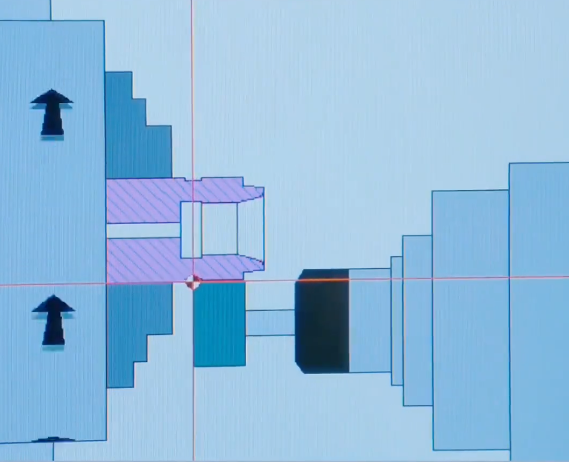
How to Estimate CNC Grinding Cost for a Part
Engineers and buyers often need preliminary estimates before requesting formal quotations. A practical cost estimation workflow can be built around a few key steps.
1) Define the Grinding Scope Clearly
Identify which surfaces are to be ground, and why. Only specify grinding where necessary. Consider whether some surfaces can remain as‑turned or as‑milled if their functional requirements are less demanding. For each ground surface, define:
- Geometry (OD, ID, flat, profile, taper, etc.)
- Dimensions (diameter/width, length, bore depth, etc.)
- Material and hardness condition
- Tolerances (size, roundness, cylindricity, flatness, straightness)
- Surface roughness requirement (Ra, Rz)
2) Estimate Setup Effort
Classify the part as simple, moderate, or complex in terms of setup:
- Simple: Straight OD or flat surface, standard workholding, existing programs likely; assume 0.5–1.0 hours of setup time.
- Moderate: Multi‑diameter shaft, combined OD/ID, or multiple surfaces; assume 1–3 hours of setup.
- Complex: Custom fixtures, form grinding, multiple wheels; assume 3–6+ hours of setup.
Multiply setup time by a reasonable machine hourly rate to estimate setup cost. Divide by expected batch quantity to find the setup cost per part.
3) Approximate Cycle Time
Cycle time estimation can be based on geometry, stock removal, and typical feed rates. While detailed calculation uses specific machine data, a simplified approach can be:
- Define the volume of material to remove (e.g., difference between pre‑grind and final diameter times length).
- Assume a reasonable material removal rate for the material and wheel type (e.g., a few mm³/s per mm of wheel width for hardened steel in finish grinding).
- Add non‑cutting time (loading, gauging, spark‑out, repositioning).
For many small parts, grinding cycle times of 1–5 minutes per surface are common. Complex geometries or very tight tolerance surfaces may require more time per piece.
4) Apply Machine Rate and Add Extras
Multiply estimated cycle time by the machine hourly rate to obtain processing cost per part. Then add:
- Allocated wheel and tooling cost per part
- Inspection and measurement cost for critical features
- Any additional handling or pre/post processing cost directly related to grinding
Finally, apply a margin appropriate for internal target costing or supplier expectations to estimate a realistic quoted price range.
Common Cost‑Related Issues in CNC Grinding
Several recurring issues can significantly increase the cost of CNC grinding work if not addressed in design or process planning.
Over‑Specification of Tolerances and Finish
Specifying tighter tolerances or better surface finishes than the function requires forces slower grinding parameters, more passes, and higher inspection workload. Reviewing drawings to align tolerances with actual functional needs can often reduce grinding time and enable the use of more economical machines or processes.
Insufficient Pre‑Machining Allowance
Grinding requires a consistent stock allowance to ensure stable wheel loading, adequate dressing frequency, and predictable heat generation. If pre‑machined parts have excessive variation or insufficient material, the grinding process may need extra passes to correct shape or may struggle to achieve final size without burning. Both situations increase cycle time and scrap risk.
Unclear Specification of Critical Surfaces
When drawings do not clearly indicate which surfaces are functionally critical, shops may treat all ground surfaces as highly critical, applying conservative parameters and extra inspection. Clear marking of critical surfaces, datum structures, and functional relationships allows the grinding shop to focus effort where it is needed and use more economical approaches for less critical areas.
Inadequate Coordination with Heat Treatment
Distortion from heat treatment can force additional grinding stock removal and rework. If parts distort more than expected, grinding time and scrap rates increase. Designing parts and process routes so that heat treatment and grinding are compatible (e.g., through defined stock allowances, straightening operations, and appropriate heat treatment fixtures) helps stabilize costs.
Strategies to Control and Optimize CNC Grinding Costs
Several practical approaches can keep CNC grinding costs under control while meeting functional requirements.
Design for Grinding Efficiency
At the design stage, consider how part geometry and tolerances affect grinding:
- Use consistent diameters where possible to minimize wheel changes and toolpaths.
- Avoid extremely small reliefs or inaccessible surfaces that require special wheels or setups.
- Group critical surfaces so that they can be ground in one setup with stable datums.
- Specify achievable tolerances that match the functional requirement and process capability.
Align Surface Requirements with Function
Not all surfaces require the same finish or precision. Distinguish between:
- Functional surfaces needing tight tolerances and low roughness (bearing fits, sealing surfaces, sliding fits).
- Locating surfaces requiring good geometric control but moderate finish.
- Non‑critical surfaces where a turned or milled finish is adequate.
By differentiating surface requirements, grinding can be focused only on surfaces where its cost is justified.
Optimize Batch Sizes and Repetition
Where possible, combine orders or design family parts that can use similar grind setups and tooling. Repeating jobs and maintaining stable designs allows shops to reuse programs and process knowledge, reducing setup time and risk. For frequently ordered parts, it may be economical to invest in dedicated fixtures or wheel profiles, lowering per‑part cost over the long term.
Collaborate with Grinding Suppliers Early
Early technical consultation with grinding shops can lead to more realistic tolerances, stock allowances, and process sequences. Sharing 3D models, anticipated annual volumes, and functional requirements enables suppliers to suggest cost‑effective process routes and to highlight any high‑risk features before designs are frozen.
Example Cost Breakdown for a Typical Grinding Job
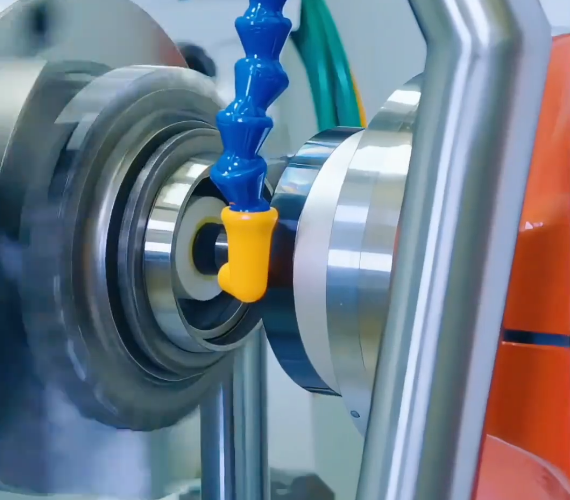
Consider a medium‑volume cylindrical grinding job for a hardened steel shaft with two critical diameters and one shoulder, tolerances around ±0.003 mm and surface finish Ra 0.4 μm. A simplified cost breakdown could look like this (values indicative only):
- Setup: 2 hours at 120 USD/hour = 240 USD.
- Batch size: 200 pieces → setup cost per part = 1.20 USD.
- Cycle time: 4 minutes per part (including loading and two ground diameters) → 0.067 hours.
- Machine time cost: 0.067 hours × 120 USD/hour ≈ 8.04 USD per part.
- Wheel/tooling consumption allocated per part: 0.50–1.00 USD.
- Inspection and handling overhead per part: 0.50–1.00 USD.
Before margin, the internal cost per part might be around 10–11 USD. After applying an appropriate profit margin, the quoted price could fall in the range of 12–15 USD per part. Changes in batch size, tolerances, or material can shift these values substantially.
When CNC Grinding Is the Most Cost‑Effective Choice
CNC grinding becomes economically justified under several common circumstances:
- Parts require hardened surfaces with tight dimensional, form, or surface finish requirements beyond what turning or milling can achieve consistently.
- Medium to high volumes of cylindrical or flat parts where grinding’s repeatability and low scrap rates outweigh its higher per‑hour cost.
- Complex tools or profiles where grinding is the standard or only viable finishing process (cutting tools, precision dies, and molds).
- Components that integrate multiple critical surfaces that can be finished in one grinding setup, improving positional accuracy and reducing total processing steps.
In these situations, CNC grinding often reduces total lifecycle cost of the part by improving dimensional stability, assembly performance, and service life, despite higher direct machining cost per hour compared to conventional turning or milling.