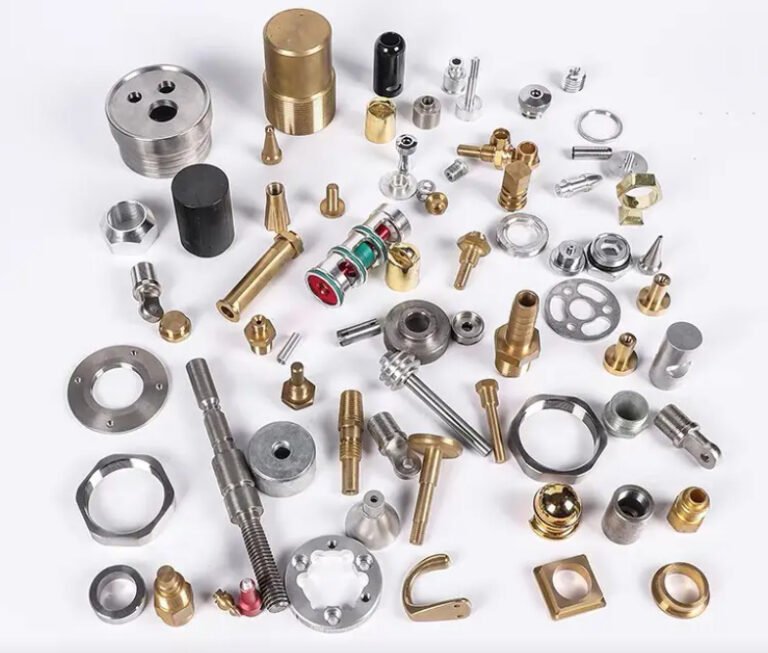
CNC machining performance, cost, and reliability depend heavily on material choice. This guide systematically compares the most common CNC materials in terms of strength, machinability, and cost, and explains how to choose the right material for different part requirements and industries.
Core Material Selection Criteria for CNC Parts
Choosing materials for CNC machining requires balancing several technical criteria that directly affect machining performance and part life.
Mechanical Strength and Stiffness
Mechanical strength determines the load a part can carry without yielding or breaking. For CNC parts, the most important parameters include:
- Yield strength: stress at which permanent deformation begins (MPa)
- Tensile strength: maximum stress before fracture (MPa)
- Elastic modulus: stiffness or resistance to elastic deformation (GPa)
High-strength steels provide yield strengths above 800 MPa and high stiffness, suitable for structural and tooling parts. Aluminum alloys typically offer yield strengths between 150–500 MPa with lower density, ideal for weight-sensitive applications. Engineering plastics exhibit much lower strength and stiffness but excel in low-friction and electrically insulating applications.
Machinability and Tool Life
Machinability describes how easily a material can be cut while maintaining dimensional accuracy and reasonable tool wear. Key aspects include:
- Required cutting forces and spindle power
- Chip formation and evacuation (continuous vs discontinuous chips)
- Tool wear rate and heat generation
- Achievable surface finish and dimensional tolerance
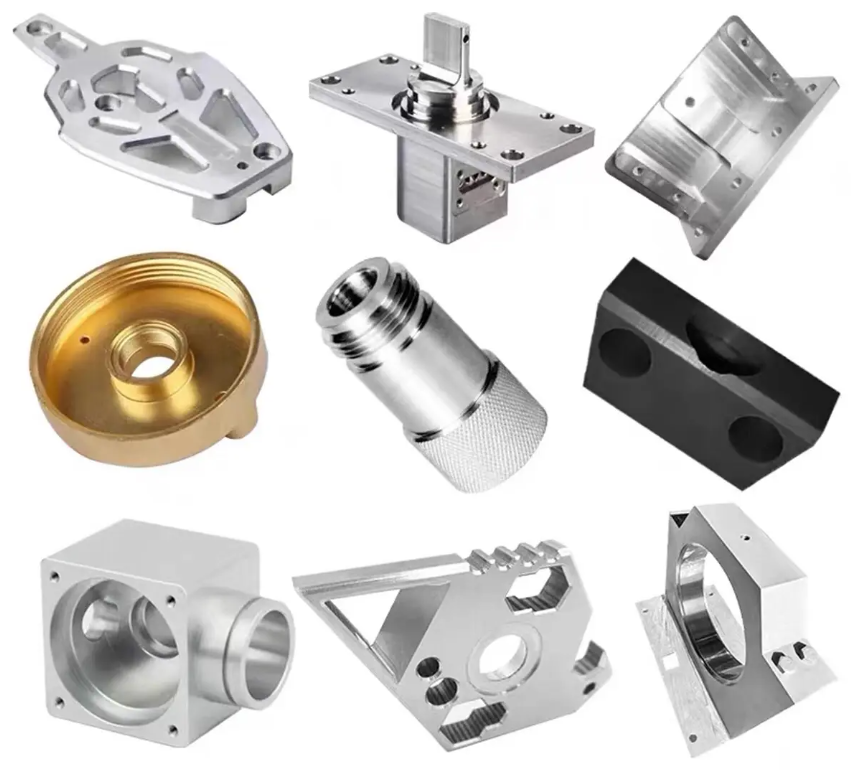
Free-machining steels, aluminum alloys, and many brass grades are highly machinable. Hardened steels, some stainless steels, and certain high-temperature alloys are significantly more demanding, requiring rigid setups, optimized cutting parameters, and advanced tooling.
Cost Structure of CNC Materials
Material cost is not only the price per kilogram. The total cost for CNC parts typically includes:
- Raw material cost (per kg or per stock shape)
- Machining time and complexity (toolpaths, tool changes, feeds and speeds)
- Tooling consumption costs (tool life, inserts, coolant)
- Secondary processes (heat treatment, coating, deburring, inspection)
Low-cost raw materials can be expensive to machine if they are very hard, gummy, or require slow cutting speeds. Conversely, relatively expensive materials like certain aluminum alloys may produce cheaper parts due to high machinability and shorter cycle times.
Overview of Common CNC Materials
The table below summarizes representative CNC metals and plastics in terms of density, typical yield strength range, relative machinability, and approximate material cost level.
| Material family | Representative grades | Density (g/cm³) | Typical yield strength (MPa) | Relative machinability | Relative material cost |
|---|---|---|---|---|---|
| Aluminum alloys | 6061-T6, 6082, 7075-T6 | 2.7–2.9 | 150–500 | Excellent–good | Low–medium |
| Mild / low-carbon steel | 1018, S235, C45 | 7.7–7.9 | 200–450 | Good | Low |
| Alloy and tool steel | 4140, 4340, D2, H13 | 7.7–7.9 | 500–1600 | Moderate–difficult | Medium–high |
| Stainless steel | 304, 316, 17-4PH | 7.8–8.0 | 200–1100 | Moderate–difficult | Medium–high |
| Brass | C36000, CW614N | 8.3–8.6 | 100–350 | Excellent | Medium |
| Copper | Cu-ETP, OFHC | 8.8–8.96 | 70–250 | Moderate (gummy) | Medium–high |
| Titanium alloys | Ti-6Al-4V | 4.4–4.5 | 800–950 | Difficult | High |
| PEEK | Unfilled, GF/CF reinforced | 1.3–1.5 | 90–250 | Moderate | High |
| Nylon (PA) | PA6, PA66 (with/without GF) | 1.1–1.4 | 40–160 | Good | Low–medium |
| Acetal (POM) | POM-C, POM-H | 1.39–1.42 | 60–110 | Excellent | Low–medium |
| ABS | Machining-grade ABS | 1.03–1.07 | 35–60 | Good | Low |
| PTFE | Virgin PTFE | 2.15–2.20 | 10–30 | Moderate (soft) | Medium |

Aluminum Alloys for CNC Machining
Aluminum is one of the most widely used CNC materials because of its high machinability, good strength-to-weight ratio, and favorable cost. It is suitable for housings, brackets, fixtures, and many structural components.
Key Aluminum Grades and Properties
Common aluminum grades for CNC machining include:
6061-T6
General-purpose, precipitation-hardened alloy used in a wide range of mechanical parts and enclosures.
- Yield strength: approx. 240–275 MPa
- Tensile strength: approx. 260–310 MPa
- Elongation: 8–12%
- Machinability: very good; forms manageable chips and supports high cutting speeds
- Cost: low–medium
7075-T6
High-strength aluminum alloy commonly used in aerospace and high-performance structures.
- Yield strength: approx. 480–510 MPa
- Tensile strength: approx. 540–580 MPa
- Elongation: 5–11%
- Machinability: good; slightly more abrasive than 6061
- Cost: medium–higher than 6061
6082, 2024 and other alloys are selected when specific combinations of weldability, fatigue resistance, and strength are required.
Machinability Characteristics of Aluminum
Aluminum allows high spindle speeds and feed rates, resulting in short cycle times. Key points:
- Excellent chip formation when using sharp carbide tools
- Low cutting forces reduce machine loads and power requirements
- Care is needed to avoid built-up edge at the tool, which can degrade surface finish
- Coolant or mist lubrication is typically used for better surface finish and tool life
Cost and Application Considerations for Aluminum
Aluminum stock is widely available in plates, bars, and extrusions. Its relatively low density reduces material mass, which can reduce raw material cost for large-volume parts. Surface treatments like anodizing and hard anodizing can significantly improve wear and corrosion resistance.
Typical applications include:
- Electronic enclosures and heatsinks
- Machine frames and structural brackets
- Automotive and aerospace components where weight reduction is critical
- Fixtures, jigs, and tooling plates

Carbon Steel and Alloy Steel for CNC Parts
Steels cover a broad range of properties from low-carbon mild steels to high-strength alloy and tool steels. They are used when high strength, stiffness, and wear resistance are needed.
Mild and Low-Carbon Steels
Low-carbon steels (e.g., 1018, S235, C45) are often used for structural and general-purpose parts.
- Yield strength: approx. 200–450 MPa depending on grade and heat treatment
- Elongation: 15–30% for many grades
- Machinability: good, especially with free-machining variants containing sulfur or lead (where permitted)
- Cost: low; often among the least expensive metal options
They are suitable for shafts, brackets, base plates, and welded structures. Corrosion resistance is limited and usually requires protective coatings (paint, plating, or other surface treatments) in corrosive environments.
Alloy Steels and Tool Steels
Alloy steels (such as 4140, 4340) and tool steels (such as D2, O1, H13) are selected when high strength, hardness, and fatigue resistance are required.
- Yield strength: 500–1600 MPa depending on alloy and condition
- Hardness: can reach 50–65 HRC after heat treatment for many tool steels
- Machinability: moderate to difficult especially in hardened condition
- Cost: medium to high including heat treatment operations
These steels are common for dies, molds, cutting tools, high-load shafts, and wear components. Machining is often performed in the annealed state, followed by hardening and finishing passes where necessary.
Machining and Cost Considerations for Steel
Compared with aluminum, steel requires lower cutting speeds and higher cutting forces. This increases machining time and tool wear. For high-strength grades, the choice of cutting tools (coated carbides, CBN, ceramics) and cutting parameters is critical to maintain surface integrity and dimensional accuracy.
Cost factors include:
- Material price per kg (typically low to medium)
- Increased machining time and tool consumption compared to aluminum
- Additional processes such as stress relieving, hardening, tempering, and surface grinding
Stainless Steel for CNC Machined Components
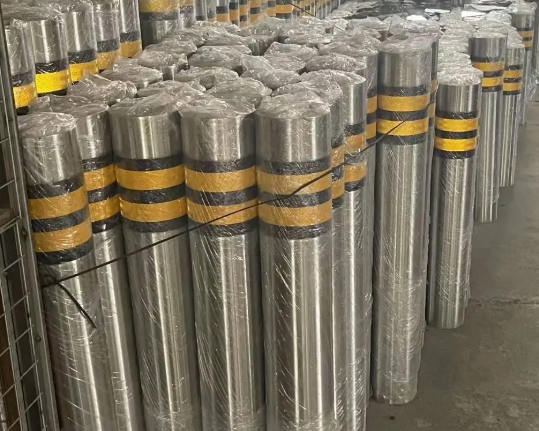
Stainless steels are selected when corrosion resistance, hygiene, and sometimes high strength are required. They are widely used in medical, food processing, marine, and chemical environments.
Austenitic Stainless Steels (304, 316)
304 and 316 are non-magnetic austenitic stainless steels with excellent corrosion resistance.
- Yield strength: approx. 200–300 MPa (annealed)
- Tensile strength: approx. 500–650 MPa
- Machinability: moderate to difficult; tend to work-harden
- Corrosion resistance: excellent, with 316 offering improved resistance to chlorides
- Cost: medium–high relative to carbon steel
Typical uses: valves, fittings, medical equipment parts, food processing machinery components, and marine hardware.
Precipitation Hardening Stainless Steel (17-4PH)
17-4PH combines good corrosion resistance with high strength through precipitation hardening.
- Yield strength: approx. 800–1100 MPa depending on heat treatment condition (e.g., H900, H1025)
- Good toughness and fatigue resistance
- Machinability: moderate; better in solution-treated condition
- Cost: medium-high
Used in aerospace parts, high-performance shafts, pump components, and structural parts in corrosive environments.
Machining and Cost Aspects of Stainless Steel
Stainless steels are more difficult to machine than mild steel due to work hardening, lower thermal conductivity, and higher toughness. Effective strategies include:
- Sharp, rigid tooling to minimize rubbing and work hardening
- Adequate coolant supply to control heat and chip evacuation
- Appropriate feeds to avoid surface hardening and excessive tool wear
These factors increase cycle time and tooling costs. However, the extended service life and reduced corrosion-related failures often justify the higher part cost.
Brass and Copper for CNC Machining
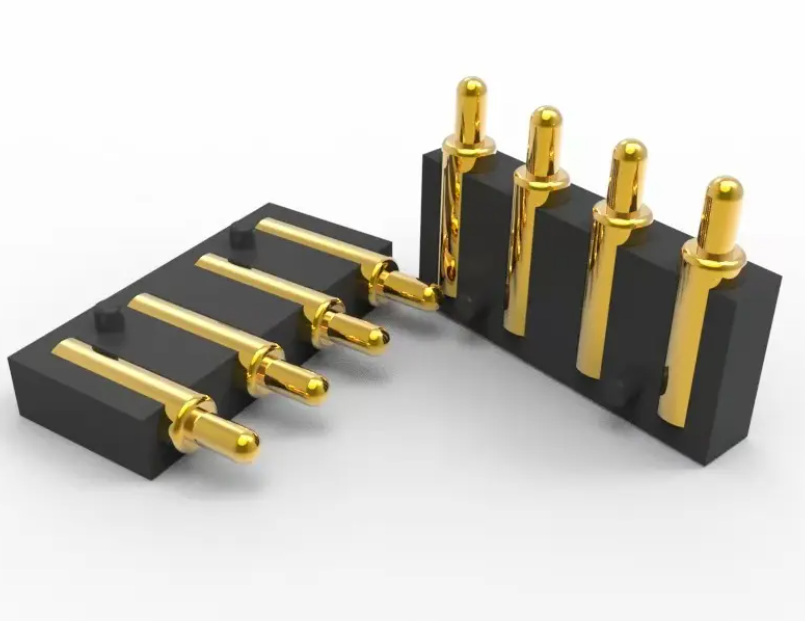
Brass and copper alloys are widely used for electrical, electronic, and fluid-handling components due to their conductivity and corrosion resistance.
Brass Alloys
Free-machining brass (such as C36000) is one of the easiest metals to machine.
- Yield strength: approx. 100–350 MPa depending on alloy and temper
- Excellent machinability with short, easily-broken chips
- Good corrosion resistance for many environments
- Good dimensional stability and surface finish
- Cost: medium; more expensive per kg than mild steel but lower machining cost
Applications: precision turned parts, connectors, fittings, plumbing components, and decorative hardware.
Copper and Copper Alloys
Pure copper and high-copper alloys are used when high electrical or thermal conductivity is required.
- Yield strength: approx. 70–250 MPa depending on grade and temper
- Electrical conductivity: up to nearly 100% IACS for some grades
- Machinability: moderate; pure copper can be gummy and requires sharp tools
- Cost: medium–high; relatively high raw material price
Typical parts: bus bars, electrical contacts, heat sinks with extreme thermal performance requirements, and RF components.
Titanium Alloys in CNC Machining
Titanium alloys, especially Ti-6Al-4V, are used when a combination of high strength, low density, and corrosion resistance is necessary, such as in aerospace, medical devices, and high-performance engineering components.
Properties of Ti-6Al-4V
Ti-6Al-4V (Grade 5) is the most commonly machined titanium alloy.
- Density: approx. 4.43 g/cm³
- Yield strength: approx. 800–950 MPa depending on condition
- Tensile strength: approx. 900–1000 MPa
- Excellent corrosion resistance in many environments
- Good fatigue performance
Machining Behavior and Cost Implications
Titanium is considered a difficult-to-machine material because of:
- Low thermal conductivity, which concentrates heat at the cutting edge
- High strength and toughness, leading to high cutting forces
- Tendency to cause rapid tool wear if cutting conditions are not optimized
As a result, recommended cutting speeds are relatively low, feed rates must be carefully set, and specialized tooling and coolant strategies are often required. Material cost is high, and scrap minimization is important, especially for larger components.
Engineering Plastics for CNC Parts
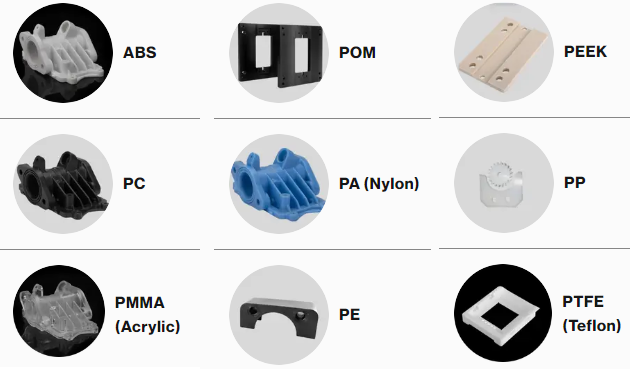
Engineering plastics provide advantages in weight, friction, chemical resistance, and electrical insulation. They are widely used for bearings, bushings, seals, insulation components, and housings.
PEEK (Polyether Ether Ketone)
PEEK is a high-performance thermoplastic used as a metal replacement in demanding environments.
- Continuous service temperature: up to approx. 250°C for many grades
- Yield strength: approx. 90–120 MPa (unfilled), up to 200–250 MPa (reinforced)
- Chemical resistance: excellent to many chemicals, including hydrocarbons and many solvents
- Machinability: moderate; requires sharp tools and controlled cutting parameters
- Cost: high
Typical applications: medical devices, oil and gas components, high-performance seals, and aerospace parts where metal replacement is advantageous.
Nylon (PA6, PA66)
Nylon is commonly used for mechanical components requiring low friction and good impact resistance.
- Yield strength: approx. 40–80 MPa (unfilled), up to 160 MPa (glass-filled grades)
- Good wear resistance and low coefficient of friction
- Moisture absorption can affect dimensions and mechanical properties
- Machinability: good, but requires attention to heat buildup and potential warping
- Cost: low–medium
Applications: gears, bushings, rollers, and structural components with moderate loads.
Acetal (POM)
Acetal offers excellent machinability and dimensional stability.
- Yield strength: approx. 60–110 MPa
- Low friction and good wear resistance
- Low moisture absorption compared with nylon
- Machinability: excellent; produces clean chips and good surface finish
- Cost: low–medium
Typical uses: precision gears, bearings, valve components, and mechanical linkages.
ABS and Other Common Plastics
ABS is used for lightweight, non-structural, and prototype parts.
- Yield strength: approx. 35–60 MPa
- Good impact resistance
- Machinability: good; relatively easy to cut but low thermal resistance limits high-speed machining
- Cost: low
PTFE (Teflon) is used for low-friction, chemical-resistant seals and liners. Its very low strength and high softness require careful fixturing and light cutting forces to avoid deformation.
Comparing Strength and Stiffness Across Materials
Strength and stiffness are frequently the primary drivers in material selection. The table below compares typical ranges for yield strength and modulus of elasticity of key material families.
| Material family | Yield strength (MPa) | Tensile strength (MPa) | Elastic modulus (GPa) |
|---|---|---|---|
| Aluminum alloys | 150–500 | 250–580 | 68–75 |
| Mild / low-carbon steel | 200–450 | 350–600 | 200–210 |
| Alloy and tool steel | 500–1600 | 800–2000 | 200–220 |
| Stainless steel | 200–1100 | 500–1200 | 180–210 |
| Brass | 100–350 | 300–500 | 90–110 |
| Copper | 70–250 | 200–350 | 100–130 |
| Titanium alloys | 800–1100 | 900–1200 | 100–120 |
| PEEK (unfilled / filled) | 90–250 | 100–280 | 3.5–10 |
| Nylon | 40–160 | 60–210 | 1.5–4 |
| Acetal (POM) | 60–110 | 70–120 | 2.5–3.5 |
| ABS | 35–60 | 45–75 | 1.8–2.4 |
| PTFE | 10–30 | 20–40 | 0.4–0.8 |
Metals generally have much higher stiffness (modulus) than plastics. This means that parts made from plastics need larger cross-sections to achieve similar deflection performance. Titanium and aluminum offer higher strength-to-weight ratios than steel, which is critical in weight-sensitive structures.
Machinability Ranking and Practical Impacts
From a CNC shop perspective, machinability affects cycle time, tool inventory, and achievable tolerances. A simplified qualitative ranking under typical conditions is:
- Excellent: aluminum (most grades), free-cutting brass, acetal (POM)
- Good: mild steel, ABS, nylon (with proper cooling), some brasses
- Moderate: stainless steel (304/316), PEEK, copper, PTFE
- Difficult: hardened steels, titanium alloys, some precipitation-hardening grades in hardened condition
These rankings assume suitable tools and parameters. Part geometry also impacts machinability; deep pockets, thin walls, and small features are more challenging in hard or low-stiffness materials.
Material Cost and CNC Part Pricing Considerations
Material cost influences CNC part pricing differently depending on part size, complexity, and batch size.
Raw Material Cost vs Machining Cost
For small, complex parts, machining time often dominates total cost, so highly machinable materials like aluminum or brass can offer a lower overall cost even if the material price per kg is higher than steel. For large, simple parts, the mass of material is a bigger factor, making low-cost steels more economical.
Important cost considerations:
- Stock size and utilization (how much material becomes chips)
- Need for pre-machining processes (sawing, stress relief)
- Heat treatment and post-processing requirements
- Tolerances and surface finish requirements driving additional operations
Waste and Buy-to-Fly Ratio
The ratio of purchased material to final part weight (often called buy-to-fly in aerospace contexts) can significantly influence cost for expensive materials like titanium and PEEK. Optimizing blank size, using near-net shapes, or splitting assemblies into multiple parts can help reduce material waste.
Matching Materials to Application Requirements
Effective CNC material selection depends on matching mechanical and environmental requirements to material properties and machining behavior.
High-Strength Structural Parts
When high static and fatigue strength are critical, typical material choices include:
- Alloy steels and tool steels for heavy-duty mechanical components and tooling
- Titanium alloys for weight-critical, high-strength applications (aerospace, performance vehicles)
- High-strength aluminum alloys (7075) when a compromise between strength and machinability is needed
Corrosion-Resistant Components
For parts exposed to moisture, chemicals, or marine environments:
- Stainless steels (304, 316) for general corrosion resistance
- 17-4PH for high-strength and corrosive environments
- Aluminum alloys with appropriate coatings for mild to moderate corrosive exposure
- Plastics like PEEK, PTFE, and certain nylons for aggressive chemicals where metals are unsuitable
Precision and Low-Friction Parts
For gears, bushings, and sliding components:
- Acetal (POM) for dimensionally stable, low-friction components
- Nylon for low-friction applications with moderate loads
- Bronze and brass for bearings and wear parts
- PTFE for seals and sliding elements with extremely low friction
Electrical and Thermal Requirements
For electrical insulation, plastics like PEEK, nylon, acetal, and PTFE are typical. For high conductivity and thermal management:
- Copper and copper alloys for high-current electrical components
- Aluminum for heatsinks and thermal spreaders with good machinability
Typical Issues in CNC Material Selection
Several recurring issues arise when choosing materials for CNC machining:
- Underestimating machining cost for difficult materials such as titanium, hardened steels, and some stainless steels
- Choosing materials with poor dimensional stability (e.g., high-moisture-absorbing plastics) for tight-tolerance parts
- Ignoring surface finish requirements that make certain materials challenging without additional grinding or polishing
- Selecting materials with insufficient corrosion resistance, leading to premature failures and warranty issues
- Over-specifying material strength and driving up cost where lower grades would suffice
FAQ: CNC Materials, Strength, Machinability, and Cost
What materials are commonly used for CNC machining?
Common CNC machining materials include aluminum alloys (6061, 7075), stainless steels (304, 316, 17-4PH), carbon steel, brass, copper, titanium alloys, and engineering plastics such as POM, ABS, Nylon, and PTFE. The material selection depends on strength, corrosion resistance, weight, and cost requirements.
Which materials have the best machinability?
Materials with excellent machinability include aluminum alloys, brass, and POM (Delrin).
Materials such as stainless steel, titanium, and Inconel are more difficult to machine and require slower cutting speeds and specialized tooling.
What does machinability mean in CNC machining?
Machinability refers to how easily a material can be cut, shaped, and finished during CNC machining. Materials with good machinability reduce tool wear, machining time, and overall production cost.
Can the same CNC part be made from different materials?
Yes, many CNC parts can be manufactured using different materials. However, changing the material may affect part strength, weight, durability, machining time, and cost. Design validation is recommended when switching materials.
Is aluminum the most cost-effective CNC material?
Yes, aluminum is often the most cost-effective CNC machining material due to its low raw material cost, excellent machinability, and wide availability. It is ideal for prototypes and production parts requiring a balance of strength and weight.
How do I choose the right CNC material for my project?
When selecting a CNC material, consider:
Mechanical strength requirements
Operating environment (temperature, corrosion)
Machinability
Budget and production volume
Consulting with a CNC machining supplier can help optimize material selection for both performance and cost.