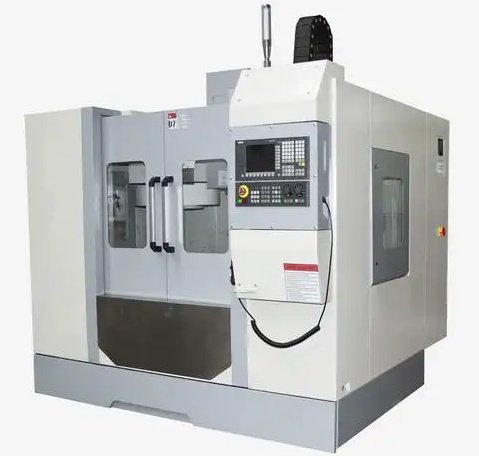
Entry-level CNC machines range from a few hundred dollars for compact hobby units to tens of thousands of dollars for light industrial systems. Cost depends on machine type, working area, motion system, spindle, control electronics, accuracy, included software, and required accessories.
What “Entry-Level” CNC Machine Means
In the CNC market, “entry-level” does not mean one single type of machine. It describes systems that are accessible to first-time users in terms of price, complexity, and facility requirements. These machines are used by hobbyists, small workshops, prototyping labs, educational institutions, and startups.
Key characteristics of an entry-level CNC machine typically include:
- Lower purchase cost compared with full-scale industrial CNC centers
- Operation on standard single-phase power (110–120 V or 220–240 V)
- Compact footprint suitable for a small shop, garage, or lab
- Moderate cutting capacity and accuracy appropriate for small-batch work
- Relatively simple setup and operation compared with high-end production machines
Typical Entry-Level CNC Price Ranges by Category
Entry-level CNC costs vary significantly by machine category and configuration. The following table summarizes common ranges seen in the market for new machines.
| Machine Category | Typical Use | Approximate Price Range (USD) |
|---|---|---|
| Mini / Desktop CNC Router | Hobby, small signs, PCBs, light prototyping | $300 – $2,500 |
| Benchtop / Small CNC Router | Cabinet parts, woodworking, plastics | $2,500 – $10,000 |
| Hobby / Light-Duty CNC Mill | Metal prototypes, small parts | $2,000 – $15,000 |
| Small CNC Lathe (Bench / Toolroom) | Round parts, bushings, shafts | $5,000 – $30,000 |
| Entry-Level CNC Plasma Table | Sheet metal cutting | $3,000 – $15,000 (table only) |
| Entry-Level CNC Laser Cutter / Engraver | Engraving, thin materials, light cutting | $400 – $8,000 |
| Educational / Light Industrial CNC Package | Training labs, serious prototyping | $10,000 – $50,000 |
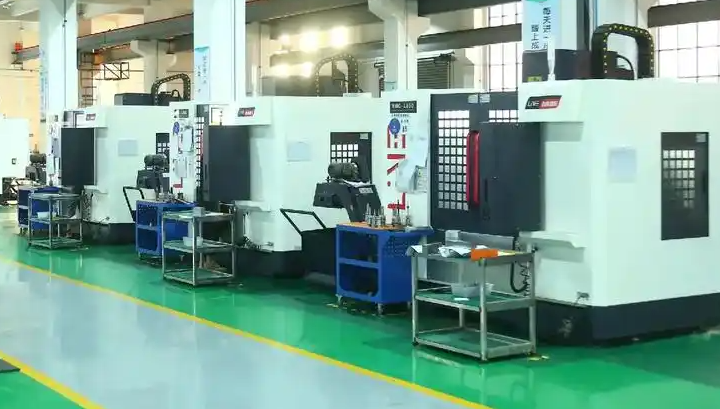
Cost Breakdown: Hobby and Desktop CNC Routers
Desktop CNC routers are among the most common entry points into CNC machining. They are used for woodworking, plastics, engravings, and in some cases light aluminum cutting.
Machine Price Ranges and Typical Specifications
Representative cost tiers for hobby and desktop routers include:
- Low-cost DIY and small kits: approximately $300–$800
- Mid-range hobby / prosumer units: approximately $800–$2,000
- Higher-end desktop routers: approximately $2,000–$4,000
Common specifications in this category:
Working area (approximate, varies by model): from 300 × 180 mm up to 1000 × 1000 mm. Z-travel often in the 50–150 mm range.
Frame materials vary from lightweight aluminum extrusions to more rigid cast or welded structures. Motion systems use either belts (lower cost, higher speed, less rigidity) or lead/ball screws (higher precision, better rigidity).
Spindles are commonly compact trim routers or small VFD spindles from 300 W to 1.5 kW. These are adequate for wood, plastics, and light non-ferrous metals at conservative cut parameters.
What Is Usually Included in the Base Price
Base pricing in this segment typically includes the machine frame, linear motion components, stepper motors, control board, and a basic spindle or router mount. Some kits require partial assembly by the user.
Software offerings vary. Some packages include basic CAM software or limited licenses, while others require separate purchase of CAD/CAM solutions. It is common to see free or low-cost hobby CAM software used in this segment.
Common Additional Costs for Hobby Routers
In addition to the base machine cost, users typically budget for
- End mills and engraving bits for wood, plastics, and soft metals
- Workholding such as clamps, T-slot fixtures, or spoilboards
- Dust collection attachments for woodworking applications
In many cases, these additional items increase the entry price by a few hundred dollars, depending on expectations and project scope.
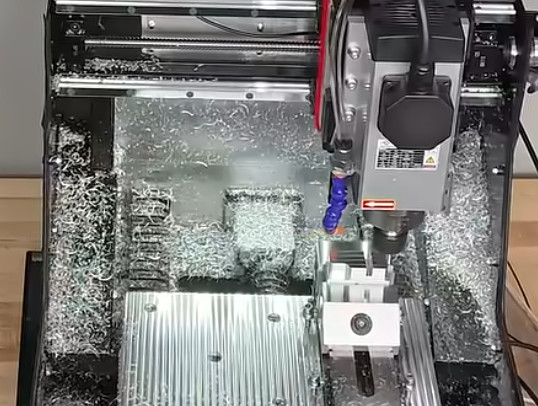
Cost Breakdown: Benchtop and Small CNC Routers
Benchtop and small floor-standing routers are used in small woodworking shops, sign-making businesses, and educational labs. They offer larger work envelopes and stronger frames than most desktop routers.
Price Levels and Machine Sizes
Typical price ranges:
Smaller benchtop routers suitable for a shop table or stand often range from $2,500 to around $5,000. Larger systems with a gantry and working areas approaching 4' × 4' or 4' × 8' can range from about $5,000 to $10,000 in entry-level configurations.
Working areas may span 600 × 900 mm up to 1300 × 2500 mm. Z-travel is usually greater than on desktop units to accommodate thicker workpieces and fixtures.
Specifications Influencing Cost
Key specifications affecting price in this category include:
Frame and gantry construction: welded steel or heavy aluminum with rigid linear guides increases cost but improves accuracy and cut quality.
Drive system: ball screws on all axes generally cost more than belts or lead screws but reduce backlash and improve repeatability, especially in longer travel machines.
Spindles: air- or water-cooled spindles up to 2.2–3.0 kW are common. More powerful and higher-quality spindles with industrial-grade bearings and precision collets add cost.
Control systems: off-the-shelf PC-based controllers, dedicated motion controllers, or proprietary control units each add varying levels of cost and capability.
Typical Accessories and Add-Ons
Entry-level benchtop routers may offer the following as options rather than standard equipment:
Vacuum hold-down systems for sheet work, tool length sensors for automatic height setting, and rotary axes for machining cylindrical parts. These add-ons can significantly raise the total system price but are often not mandatory for basic use.
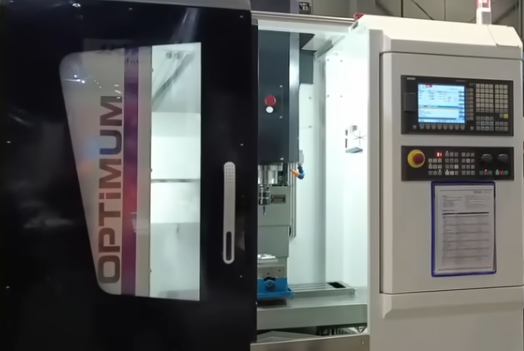
Cost Breakdown: Entry-Level CNC Milling Machines
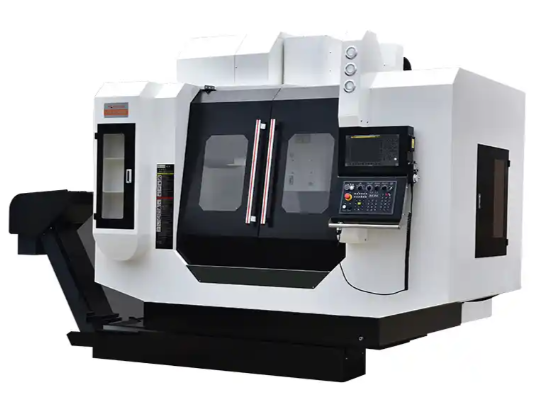
Entry-level CNC mills are used for cutting metals and hard plastics with increased precision and rigidity. These include converted manual mills, benchtop CNC machining centers, and small vertical machining centers (VMCs).
Price Ranges for CNC Mills
Costs in this category typically start higher than routers due to the need for more rigid construction and more robust drives and spindles. Representative ranges:
Benchtop CNC mills or converted knee mills: around $2,000–$8,000 depending on conversion quality and components. Small standalone CNC mills with enclosures and automatic lubrication systems often range from $8,000 to $20,000. Entry models from established industrial brands may start around $20,000 and increase significantly as options are added.
Performance and Specification Factors
Important specification aspects influencing price include:
Working envelope size: controlled by X, Y, and Z travel distance. Greater travels require longer ball screws, larger ways, and more robust structures.
Spindle power and speed: mills for metal cutting typically offer spindles from 1.5 kW to 7.5 kW or more, with speed ranges appropriate for steel, aluminum, and other metals. Higher power and higher speed ranges increase cost.
Linear motion systems: linear guides and ball screws with preloaded nuts, low backlash, and high stiffness raise the price but improve surface finish and accuracy.
Coolant, lubrication, and chip management: machines with fully integrated flood coolant systems, automatic lubrication, and chip enclosures cost more but are more suitable for continuous metal cutting.
Control and Tooling Considerations
Entry-level CNC mills may use a range of controllers, from basic PC-based interfaces to more sophisticated industrial controls. More advanced controls can add several thousand dollars to the system cost but offer better motion control, canned cycles, and program management.
Essential extras include collet sets or toolholders, vises, clamping kits, and cutting tools (end mills, drills, taps). Tooling costs can become a substantial portion of the initial investment, particularly when high-performance materials and coatings are selected.
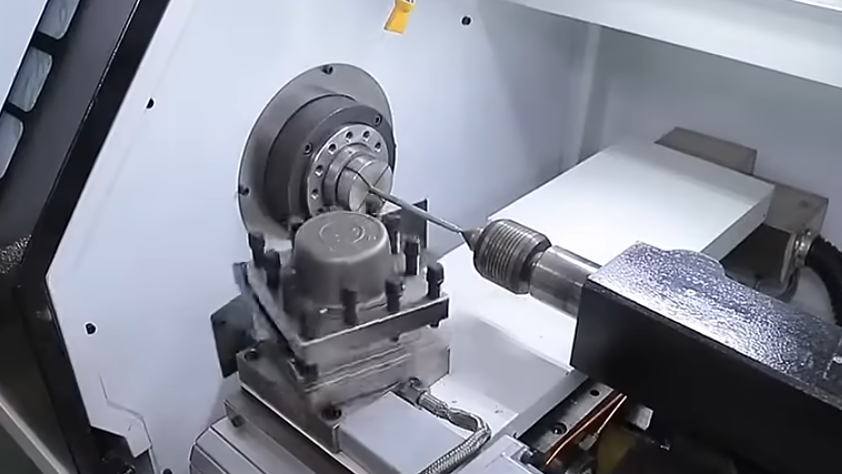
Cost Breakdown: Entry-Level CNC Lathes
Entry-level CNC lathes are used for turning operations on shafts, bushings, and similar rotational parts. Even small CNC lathes tend to cost more than many router systems due to their mechanical complexity and need for accurate spindle systems.
Price Ranges for Small CNC Lathes
Bench or toolroom lathes with CNC capability often start around $5,000–$10,000 for simple systems with limited automation. More complete entry packages with enclosed guarding, automatic lubrication, and coolant systems may run from $10,000 to $30,000 or more. Compact slant-bed lathes with automatic tool changers can exceed these ranges even in entry-level configurations.
Specification Aspects Affecting Cost
Main features that influence price include:
Spindle bore and swing over bed: larger capacities require larger castings, bearings, and drives, increasing cost.
Tooling system: quick-change toolposts are common in simpler systems, while turret tool changers raise the price but allow automated multi-tool operations.
Chuck size and type: manual three-jaw chucks cost less than hydraulic chucks or collet systems designed for higher-speed production.
Axis drives: ball screws and servo motors add cost relative to basic stepper-driven systems, but provide improved positioning and speed control.
Common Add-Ons and Tooling Costs
Purchasers of entry-level CNC lathes should consider costs for:
Toolholders and inserts for various operations, tailstocks or live centers for supporting long workpieces, and coolant systems and chip conveyors if not included. For many small shops, turning tool inserts, measuring instruments (micrometers, indicators), and workholding devices collectively represent a notable ongoing investment.
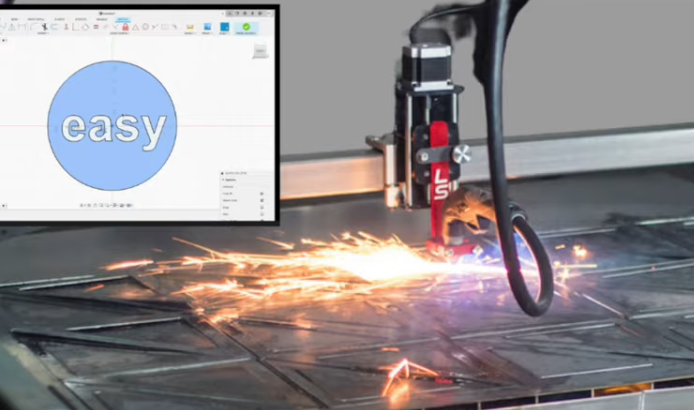
Cost Breakdown: Entry-Level CNC Plasma Tables
Plasma cutting is a common entry-level CNC process for working with steel and other conductive metals in plate form.
Table and System Price Ranges
Entry-level CNC plasma tables often cost between $3,000 and $15,000 for the table and motion system. Lower-cost kits and partially assembled tables occupy the lower end of this range, while more rigid, ready-to-run systems with improved motion control and better support are at the higher end.
The plasma power source is frequently sold separately. Lower-power air plasma units can start around $1,000–$2,000, whereas higher-duty-cycle units with better cut quality and thicker cutting capability can cost several thousand dollars more.
Specifications and Capabilities
Important plasma table specifications include:
Working area: common sizes range from small 2' × 2' tables up to 4' × 8' or larger. Larger formats require more material and stiffer frames.
Cutting thickness: dependent on plasma power source. Entry units might offer clean cuts in steel up to around 3–10 mm, while more powerful units handle thicker plate at higher speeds.
Motion system: rack-and-pinion drives are common in this segment. Higher-quality linear guides and drive components add cost but improve cut quality.
Height control: torch height control systems adjust the torch distance from the workpiece, improving cut consistency. These systems increase the overall cost but provide consistent results over warped or uneven material.
Operating Cost Considerations
In addition to equipment cost, users must consider consumables such as electrodes and nozzles, as well as electricity and compressed air supply. Proper ventilation or fume extraction is also an important consideration in many installations.
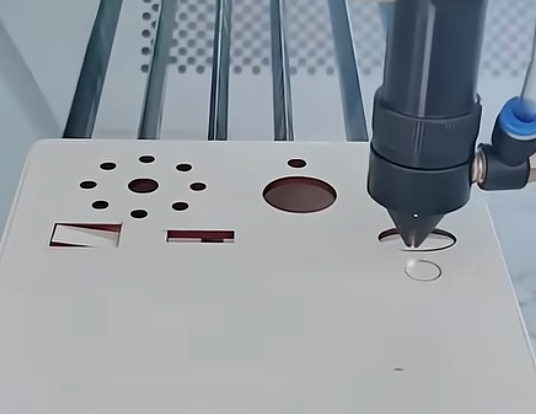
Cost Breakdown: Entry-Level CNC Laser Cutters and Engravers
Laser cutters and engravers are widely used for signage, model making, crafts, and light industrial marking. Entry-level systems are popular among makers and small businesses.
Price Ranges for Laser Systems
Small desktop diode lasers and compact CO₂ units may cost from about $400 to $2,000. Mid-range CO₂ lasers with enclosed cabinets and working areas around 400 × 600 mm to 600 × 900 mm typically range from $2,000 to $8,000 in entry-level configurations.
Key Specifications Impacting Cost
Notable specification aspects are:
Laser type: diode lasers often cost less and are suited for engraving and light cutting of thin materials. CO₂ lasers allow cutting of wood, acrylic, and some plastics at higher speeds with more power.
Laser power: output ratings from around 5–10 W for diode systems up to 40–150 W or more for CO₂ systems. Higher wattage increases cutting speed and material thickness capability, but raises cost.
Working area: larger cutting beds require more robust gantries and mirrors or optics, increasing price.
Motion and optics: better-quality linear guides, belts or ball screws, and precision optics contribute to higher cost but produce more consistent and precise cuts.
Accessories and Safety Considerations
Many entry-level laser cutters are supplied with basic exhaust fans, but effective fume extraction systems and filters may require additional investment. Users also budget for spare lenses and mirrors, coolant systems for CO₂ tubes where needed, and fire safety equipment suitable for cutting combustible materials.
Additional Cost Factors Beyond Base Machine Price
The base price of an entry-level CNC machine is only part of the total cost. Total ownership cost also includes tooling, accessories, and facility-related items.
Tooling and Workholding
Cutting tools, bits, holders, and vises typically add several hundred to several thousand dollars depending on the process and material. For example, a small router might require a basic set of carbide bits and clamps, whereas a milling machine may need vises, collet sets, and specialized end mills and drills.
Software Licenses
CNC workflows involve CAD software for part design, CAM software for toolpath generation, and machine control software. While some entry-level users employ free or low-cost solutions, commercial software packages can cost from a few hundred to several thousand dollars per seat.
Power, Space, and Infrastructure
Entry-level machines often operate on single-phase power. However, some heavier-duty units require higher voltage or greater current capacity. Buyers also need sufficient space for the machine, material storage, and maintenance access. For metalworking machines, coolant and chip management systems require suitable drainage and containment.
Shipping, Installation, and Training
Shipping costs vary with weight and distance. Smaller desktop units may ship via standard parcel services at relatively low cost, whereas heavier machines require freight shipment and potentially rigging. Optional installation assistance and training services from vendors can add to the initial investment but may reduce setup time and errors.
Budget Planning for Different Use Cases
Entry-level CNC costs can be aligned with distinct user profiles and applications. The following table illustrates typical budget ranges for several common scenarios.
| Use Case | Typical Machine Type | Approximate Total Budget (Machine + Essentials) |
|---|---|---|
| Hobby woodworker or maker | Desktop CNC router or small laser | $800 – $3,000 |
| Small sign shop | Benchtop CNC router or mid-range CO₂ laser | $5,000 – $15,000 |
| Prototype lab (mixed materials) | Benchtop CNC mill and router | $10,000 – $30,000 |
| Small fabrication shop | CNC plasma table | $8,000 – $25,000 |
| Technical education program | Educational CNC package (mill, lathe, router) | $20,000 – $60,000 |
Key Specification Metrics That Drive Price
Across different machine types, similar performance metrics influence price. Understanding these helps explain why certain machines cost more even if they appear similar in size.
Working Envelope and Machine Footprint
Larger working envelopes require longer motion components, stiffer frames, and more robust drives. Machines with tall Z-axes capable of accommodating fixtures or vises also require stronger structures to maintain rigidity.
Precision, Repeatability, and Rigidity
Precision depends on the quality of linear guides, ball screws or belts, and frame stiffness. Tight tolerances require higher-quality components and more careful assembly, which increase cost. For metal cutting, rigidity is especially critical; hence entry-level mills tend to be more expensive than similarly sized routers.
Spindle or Cutting Power
Spindles and cutting heads with higher power and broader speed ranges enable more aggressive cutting strategies and support a wider range of materials. These components are notable cost drivers, particularly when they are designed for continuous duty cycles.
Automation and Convenience Features
Automatic tool changers, tool length probes, homing and limit switches, integrated safety enclosures, and advanced control features all add cost. In entry-level segments, many of these features are optional to maintain a lower base price.
Typical Issues When Choosing an Entry-Level CNC
New buyers often encounter several recurring difficulties that influence their budget decisions and machine selection.
Underestimating Total Ownership Cost
Many first-time buyers focus on machine base price and overlook tooling, software, and accessories. This can lead to insufficient performance if they cannot invest in suitable tools or fixturing later. Accounting for these costs up front helps set realistic expectations for total investment.
Balancing Budget and Performance Requirements
Users sometimes select the least expensive option and then discover limitations in working area, rigidity, or material capability. Conversely, overspecifying a machine can tie up capital in unused capacity. Careful evaluation of the primary materials, part sizes, tolerances, and production volumes helps align machine capabilities with needs.
Evaluating Support and Documentation
At entry price levels, documentation quality, spare parts availability, and customer support vary widely. Limited support can result in extended downtime during setup or troubleshooting. Verifying the availability of manuals, community forums, training materials, and spare parts sources reduces the risk of operational interruptions.
How to Match Budget to CNC Machine Type
Choosing the right entry-level CNC starts with clarifying the intended tasks and matching them to machine categories. The following general guidelines help narrow options by budget.
Wood, Plastics, and Non-Metal Projects
For general woodworking, sign making, and plastics cutting, a desktop or benchtop router often provides sufficient performance. Users with smaller budgets may favor desktop routers with smaller work areas and lower spindle power, while those intending to handle large panels or use the machine for revenue-generating work usually allocate more for greater size and rigidity.
Metal Prototyping and Small-Batch Machining
For aluminum, steel, and other metals, an entry-level CNC mill is typically more appropriate than a router due to higher rigidity and more suitable spindle characteristics. Buyers target machines with ball screws, robust cast iron or steel frames, and appropriate coolant systems, accepting that the entry-level cost for metal-capable machines is higher than for comparable wood-focused routers.
Sheet Metal and Plate Cutting
Shops needing to cut steel plate and sheet metal often prefer plasma tables. Budget planning accounts for both the mechanical table and the plasma power source, as well as ventilation and consumables. The required cut quality and sheet thickness capability significantly influence power source cost.
Engraving, Marking, and Thin Material Cutting
For detailed engraving on wood, acrylic, leather, or coated metals, small laser systems are common. Desktop diode lasers suit small-scale engraving with lower budgets, while CO₂ lasers accommodate thicker materials and faster cutting at higher cost. Buyers evaluate material compatibility, desired cut thickness, and work area to size the appropriate laser system.
FAQ: Entry-Level CNC Machine Costs
How much does an entry-level CNC machine cost?
Entry-level CNC machines typically range from $2,000 to $10,000, depending on the machine type, size, and features.
What types of CNC machines are considered entry-level?
Common entry-level CNC machines include desktop CNC mills, small CNC routers, and basic CNC lathes designed for beginners, hobbyists, and small workshops.
Do entry-level CNC machines include software?
Some machines include basic control software, but CAD/CAM software is often sold separately or provided as a trial or free version.
Can an entry-level CNC machine be upgraded later?
Many entry-level machines allow upgrades such as better spindles, controllers, or accessories, though upgrade potential varies by model.