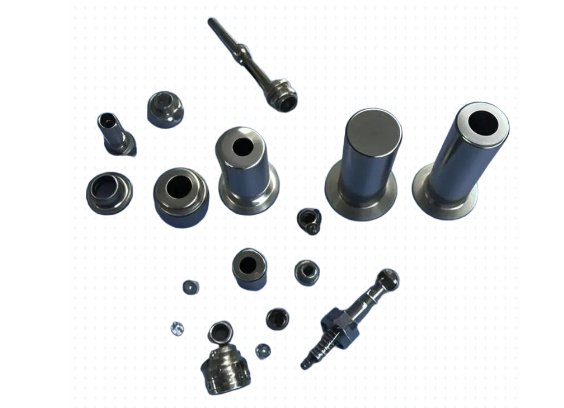
A sensor housing is the mechanical enclosure that surrounds and protects a sensor element and its electronics from the external environment, while still allowing the measured quantity to reach the sensing element with minimal distortion. It is a critical part of any sensing solution because it directly affects accuracy, reliability, lifetime, regulatory compliance and maintainability.
In practice, the housing defines the sensor’s mechanical interface, environmental protection level, ease of mounting, and often its electrical connection strategy. Properly engineered housings help ensure stable performance across temperature, humidity, vibration, and contamination conditions typically encountered in real-world applications.
Core Functions of a Sensor Housing
Although different industries use different form factors, most sensor housings share several fundamental functions:
- Environmental protection (dust, water, chemicals, radiation)
- Mechanical support and mounting
- Electrical interface and shielding
- Thermal management
- Media access (how the measured quantity reaches the sensing element)
Environmental Protection
The primary role of a sensor housing is to protect delicate sensing elements and electronics from environmental influences such as dust, spray, immersion, corrosive atmospheres, oils, cleaning agents and mechanical damage. This is often quantified using:
- Ingress Protection (IP) ratings according to IEC 60529 (e.g., IP65, IP67, IP68)
- NEMA enclosure types (typically for North America)
Environmental protection features may include O-rings, gaskets, welded seams, potting compounds, pressure-equalizing vents and robust mechanical joints.
Mechanical Support and Mounting
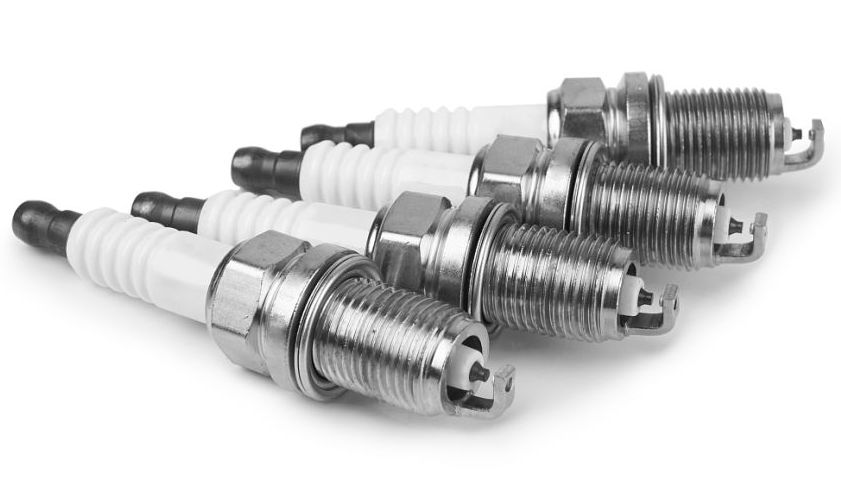
The housing defines how the sensor is installed and located. Common mechanical features include:
- Threaded bodies (e.g., M8, M12, 1/4" NPT, 1/2" NPT)
- Flanges and bolt holes for panel or wall mounting
- Brackets or rail clips (e.g., DIN rail adaptors)
- Snap-in or bayonet locking mechanisms
Mechanical robustness is specified by ratings for impact resistance, vibration and shock, often aligned with standards such as IEC 60068 or automotive-grade (AEC) requirements.
Electrical Interface and Shielding
Many housings incorporate electrical connectors, wiring passages and electromagnetic shielding elements, for example:
- Integral connectors (M8/M12 circular connectors, Deutsch, MIL-style, or custom plugs)
- Cable glands and strain relief for potted cable exits
- Metallic housings or internal shielding for EMC/EMI control (e.g., for RF, automotive and industrial environments)
Good electrical design in the housing helps reduce noise, improves signal integrity, and contributes to compliance with EMC standards.
Thermal Management
Sensor performance is often sensitive to temperature. The housing can contribute significantly to:
- Heat dissipation (e.g., metal housings acting as heat sinks)
- Thermal isolation (e.g., plastic or composite housings reducing heat transfer from hot surfaces)
- Temperature equalization (for sensors measuring ambient temperature rather than surface temperature)
Thermal design may include fins, heat spreaders, or thermal interface materials between the electronic components and the housing walls.
Media Access
A housing must protect the sensor while allowing the target quantity to be measured. Common strategies include:
- Open windows or apertures (for optical, infrared or laser sensors)
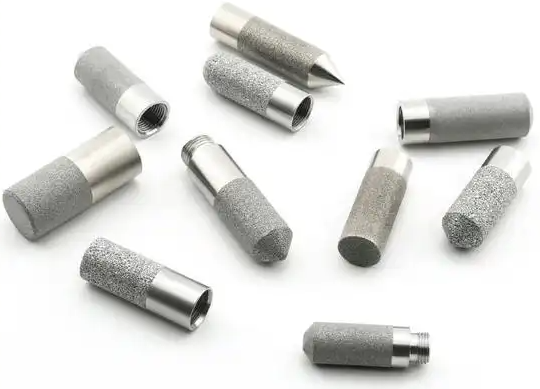
- Permeable membranes (for gas, humidity or pressure sensors)
- Mechanical openings or ports with flow channels (for flow or pressure sensors)
- Contact surfaces (for temperature or position sensors that must physically touch the measured object)
The mechanical design around these access points is critical to avoid distortion of the measured signal, such as flow turbulence, thermal lag or optical reflections.
Key Types of Sensor Housings
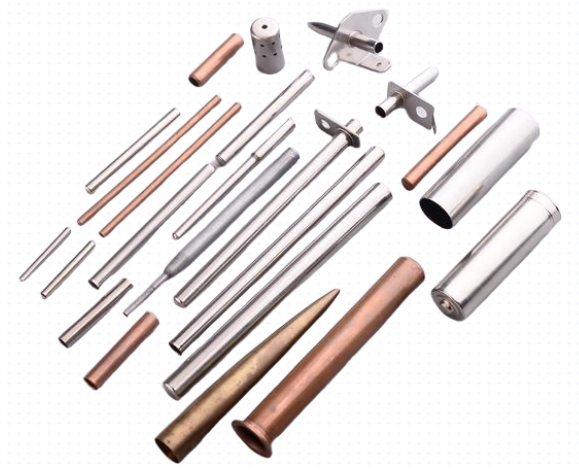
Sensor housings can be classified in several ways: by geometry, mounting style, integration level, or the physical quantity being measured. Below are widely used housing categories and where they are typically applied.
Cylindrical and Barrel-Type Housings
Cylindrical housings are common for proximity, photoelectric, temperature and small pressure sensors. Typical features:
- Diameters: M8, M12, M18, M30 (metric), 8–30 mm or 1/4"–1" (imperial)
- Length: usually 30–100 mm, depending on electronics and connector
- Threaded body along part or all of the length for mounting and depth adjustment
These housings are widely used in industrial automation for sensing presence, distance or temperature in machines and conveyor systems.
Rectangular and Block Housings
Rectangular housings are used when the application requires more internal volume, specific mounting surfaces or integrated optics. They often feature:
- Flat faces with through-holes for screws
- Custom lens or window geometries for photoelectric, ultrasonic or vision sensors
- Integrated status indicators (LEDs) visible from several sides
Block housings are common in machine vision sensors, position encoders, and multi-function sensor modules that combine several sensing functions and communication interfaces.
Flanged, Probe and Immersion Housings
Probe-style housings are used to insert sensors into processes or media, such as liquids, gases or granular materials. Typical variants include:
- Thermowells for temperature sensors (RTDs, thermocouples) in pipes or tanks
- Flanged pressure sensor housings connecting to process fittings (ANSI, DIN flanges)
- Immersion probes for conductivity, pH or dissolved oxygen measurement
These housings often follow process industry standards for pressure ratings, corrosion resistance and sealing against media leakage.
Panel-Mount and Embedded Housings
Panel-mount housings are designed to be installed in control panels, instrument racks, operator interfaces or dashboards. Features may include:
- Standardized cutout dimensions (e.g., 22 mm, 30 mm, 1/8 DIN, 1/4 DIN)
- Front bezels with sealing gaskets for IP65 or higher from the front
- Integrated displays or user interfaces
Embedded housings are designed as modules that can be integrated into larger devices, often with PCB-level connectors and mounting bosses for screws or standoffs.
Rugged and Outdoor Housings
For outdoor, heavy industrial or military environments, housing design focuses on resistance to weather, impact and corrosion. Common characteristics:
- High IP rating (IP66, IP67, IP68 or IP69)
- Compliance with NEMA 3, 4, 4X or 6 ratings
- UV-resistant materials and coatings
- Extended operating temperature ranges, e.g., -40 °C to +85 °C or higher
Typical applications include environmental monitoring stations, infrastructure sensors, and off-highway vehicle sensors.
Hygienic and Washdown Housings
In food, beverage, pharmaceutical and biotech applications, hygienic housings are used to support sanitation and regulatory compliance. They usually provide:
- Smooth surfaces without crevices where contaminants can accumulate
- Materials compatible with cleaning agents and disinfectants (e.g., 316L stainless steel)
- Rounded corners and slopes to promote drainage
- High IP and NEMA ratings for high-pressure washdown
Such housings are often designed according to guidelines from EHEDG or 3-A standards.
Common Materials for Sensor Housings
Material selection is a key design decision, affecting mechanical strength, corrosion resistance, weight, thermal behavior, EMC performance and cost. Most housings use one or more of the following materials.
| Material | Typical Properties | Common Uses |
|---|---|---|
| Stainless Steel (304, 316, 316L) | High strength, excellent corrosion resistance, good temperature range, good mechanical protection | Hygienic sensors, process industry probes, outdoor and marine sensors |
| Aluminum Alloys | Lightweight, good heat dissipation, moderate corrosion resistance (improved with anodizing) | Industrial sensors, machine vision sensors, automotive modules |
| Brass and Nickel-Plated Brass | Good machinability, decent corrosion resistance; nickel plating improves wear and aesthetics | Proximity sensors, pressure and hydraulic sensors |
| Engineering Plastics (PA, PBT, PC, PPS) | Lightweight, electrically insulating, good chemical resistance depending on type, cost-effective | Consumer sensors, automotive interior sensors, low to medium stress environments |
| High-Performance Polymers (PEEK, PTFE) | High temperature and chemical resistance, good mechanical stability | Harsh chemical environments, high-temperature applications |
| Zinc Die Cast (Zamak) | Good strength, high dimensional accuracy, cost-effective for high volume | Industrial sensor housings, connectors, switches |
| Ceramics (Alumina, Zirconia) | Excellent high-temperature stability, electrical insulation, wear resistance | High-temperature sensors, some gas sensors and medical probes |
| Composites (Glass-Fiber Reinforced Plastics) | Improved stiffness and temperature resistance over standard plastics | Outdoor enclosures, structural parts where weight saving is important |
Metal Housings
Metal housings are chosen for their structural strength, durability and thermal and electrical properties.
- Stainless steel is often used when corrosion resistance and cleanability are priorities. Grades such as 316/316L are common in marine, chemical and food-processing environments.
- Aluminum offers a better strength-to-weight ratio than steel, making it suitable where weight and heat dissipation are both important. Surface treatments like anodizing improve corrosion resistance.
- Brass, often nickel-plated, is frequently used in small industrial sensors because it machines well and offers good durability at moderate cost.
Plastic and Polymer Housings
Plastics are widely used where weight and cost must be minimized while still maintaining adequate mechanical protection.
- Polyamide (PA, often reinforced), polybutylene terephthalate (PBT), polycarbonate (PC) and polyphenylene sulfide (PPS) are common engineering plastics in sensor housings.
- High-performance polymers like PEEK and PTFE are used in aggressive chemical environments or high temperature applications where standard plastics would deform or degrade.
Plastics also allow complex shapes and integrated features (clips, snap-fits, internal guides) to be molded in a single piece, simplifying assembly.
Ceramics and Glass
Ceramic and glass materials are often used in specialized or high-temperature sensors.
- Ceramic housings or inserts provide excellent thermal and electrical insulation and maintain mechanical integrity at high temperatures.
- Glass windows are used for optical sensors and infrared sensing, with specific coatings or compositions chosen to suit the wavelength range of interest (visible, IR, UV).
Composite and Hybrid Housings
Many housings combine multiple materials to balance properties. Common examples include:
- Plastic main body with metal inserts for threads or mounting points
- Metal housings with plastic end caps or connector sections
- Hybrid constructions with ceramic feedthroughs in metal housings to maintain hermetic sealing and electrical isolation
Ingress Protection: IP and NEMA Ratings for Sensor Housings
Ingress protection is a key specification for sensor housings used in industrial, outdoor or washdown environments. It defines the level of protection against solid particles and liquids.
IP Ratings (IEC 60529)
IP ratings are expressed as IPXY, where X describes protection against solids and Y against liquids. Typical ranges for sensor housings include:
- Solids (first digit):
- 5: Dust protected (limited ingress, no harmful deposits)
- 6: Dust tight (no ingress of dust)
- Liquids (second digit):
- 4: Protection against splashing water
- 5: Protection against water jets
- 6: Protection against powerful water jets
- 7: Protection against immersion up to 1 m for a specified time
- 8: Protection against continuous immersion under specified conditions
- 9: Protection against high-pressure, high-temperature water jets (often used in washdown environments)
Typical industrial sensor housings are IP65 or higher, with many reaching IP67 or IP68. Washdown and sanitary applications often require IP69 or IP69K equivalent performance.
NEMA Enclosure Types
NEMA ratings are commonly used in North America to categorize enclosure protection. Sensors intended for use in control panels or as standalone field devices may reference NEMA types such as:
- NEMA 3/3R: Outdoor use, protection against rain and sleet
- NEMA 4/4X: Indoor or outdoor use, protection against windblown dust and rain, splashing water and hose-directed water; 4X also provides corrosion resistance
- NEMA 6/6P: Submersible enclosures with protection against water during temporary or prolonged submersion
While IP and NEMA ratings are not identical, they provide engineers with a clear framework for matching housing performance with environmental demands.
Mechanical Design Considerations for Sensor Housings
Beyond material selection and environmental ratings, several mechanical considerations influence housing design and performance.
Wall Thickness and Structural Strength
Wall thickness must balance mechanical strength with size, weight and thermal properties. Typical ranges:
- Plastic housings: approximately 1.5–4 mm depending on load and material
- Metal housings: approximately 1–3 mm for small sensors, thicker for large or high-pressure applications
For pressure and flow sensors in pipes, the housing or process connection may need to withstand pressures from a few bar up to 400 bar or more, requiring appropriate wall thickness and design details such as radiused transitions and reinforcement ribs.
Sealing Elements
Seals prevent ingress of dust, moisture and media while accommodating assembly tolerances and thermal expansion. Common sealing elements include:
- O-rings placed in machined grooves
- Flat gaskets made from elastomers or fiber materials
- Molded seal lips integrated into plastic components
Material selection for seals must consider temperature range, chemical compatibility and compression set. Typical elastomers are NBR, FKM (Viton), EPDM and silicone.
Mounting Interfaces
The housing defines how the sensor attaches to the machine or structure:
- Threaded connections (e.g., M12 x 1, 1/4" NPT) for screw-in mounting
- Flanges with drilled bolt circles for process connections
- Snap-in or bayonet features for quick installation and replacement
- Alignment features to orient optical or ultrasonic beams
Proper mechanical design minimizes stress on the housing and ensures consistent sensor positioning for repeatable measurements.
Cable Entries and Connectors
Where cables or connectors pass through the housing, design must prevent water and dust ingress while providing strain relief.
- Cable glands and grommets seal around flexible cables and protect against bending stress
- Sealed connectors (e.g., M12 with O-rings, automotive sealed connectors) provide quick connect/disconnect capability and maintain IP rating
- Potting compounds can encapsulate soldered connections inside the housing, improving robustness and sealing
Electrical and EMC Considerations in Housing Design
The housing strongly influences electromagnetic behavior and electrical reliability of sensors, especially in electrically noisy environments such as factories, vehicles or power plants.
Shielding and Grounding
Metal housings can act as Faraday cages, shielding the internal electronics from electromagnetic interference. Effective strategies include:
- Ensuring continuous conductive paths around the housing perimeter
- Providing low-impedance connections to a defined ground point
- Using conductive gaskets between housing parts to maintain shielding effectiveness across joints
Even for plastic housings, internal metal shielding foils, coatings or inserts may be used when EMC performance is critical.
Isolation and Insulation
For sensors connected to high-energy circuits or installed near power equipment, the housing design must consider creepage and clearance distances and insulation levels. This is particularly important in:
- Grid and power distribution monitoring sensors
- Medical electrical equipment where patient safety is a concern
- Industrial control panels with mixed signal and power wiring
Plastic housings can provide electrical insulation, while metal housings may require internal insulating barriers or conformal coatings on the electronics.
Thermal Behavior of Sensor Housings
Thermal performance of a housing influences sensor accuracy, lifetime and response time. Important aspects include thermal conductivity, heat capacity and exposure to external heat sources.
Heat Dissipation
Electronics inside a sensor generate heat, and in some applications the external environment may already be hot. Metal housings, especially aluminum, are useful when efficient heat dissipation is needed. Design elements may include:
- Increased surface area through ribs or fins
- Positioning heat-generating components close to the housing wall via thermal pads
- Thermal interface materials between power components and the housing
Thermal Isolation and Gradient Control
In other cases, the goal is to minimize heat transfer to the sensor element. Examples include:
- Ambient air temperature sensors mounted on hot engine blocks
- Humidity sensors where condensation must be avoided on the sensing element
For such applications, lower-conductivity materials (plastics, composites) or mechanical decoupling structures are used to isolate the sensing element from heat sources.
Temperature Range Considerations
Housings must remain mechanically and chemically stable over the specified operating temperature range of the sensor. Typical ranges include:
- Commercial and consumer: approximately -10 °C to +60 °C
- Industrial: approximately -25 °C to +70 °C or +85 °C
- Automotive under-hood: up to +125 °C or higher
- Specialized high-temperature probes: above +200 °C with appropriate materials such as metals and ceramics
Material selection, wall thickness and seal design all need to account for thermal expansion and potential deformation across these ranges.
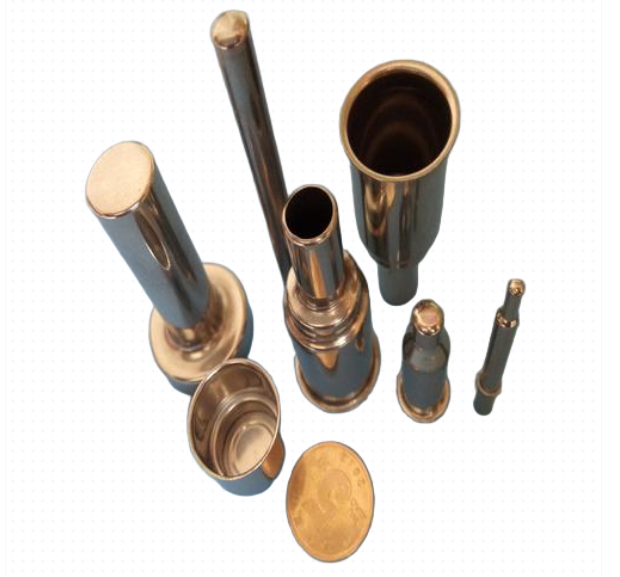
Typical Applications of Sensor Housings
Sensor housings vary significantly between industries and measurement tasks. The following sections highlight typical applications where housing design is particularly important.
Industrial Automation and Process Control
In factories and process plants, sensors are exposed to vibration, dust, oils, coolant, cleaning agents and sometimes high temperatures. Typical sensors include:
- Inductive, capacitive and photoelectric proximity sensors in cylindrical or rectangular housings
- Pressure, flow and level sensors in flanged or threaded process housings
- Temperature sensors (RTDs, thermocouples) in metal probes and thermowells
Industrial housings commonly feature:
- IP65–IP69 protection levels
- Stainless steel or nickel-plated brass materials
- Threaded mounting and robust connectors (e.g., M12)
Automotive and Transportation
Automotive sensors must cope with vibration, temperature cycling, fluids (oil, fuel, coolant), dirt and road splash. Key sensor types include:
- Engine sensors (temperature, pressure, position, speed) in compact, high-temperature housings
- Chassis sensors (wheel speed, braking, stability) with robust sealing and EMC protection
- Cabin sensors (climate control, air quality) in plastic housings integrated into interior parts
Typical housing characteristics in automotive applications:
- High vibration tolerance and mechanical robustness
- Sealed connectors (e.g., automotive grade sealed plugs)
- Materials compatible with engine fluids and de-icing agents
Medical Devices and Healthcare
Medical sensors are often subject to stringent requirements for biocompatibility, sterilization and patient safety. Examples:
- In-body probes and catheters with miniaturized housings using biocompatible metals or polymers
- Patient monitoring sensors in plastic housings that are easy to clean and disinfect
- Diagnostic instruments with optical or electrochemical sensors behind protective windows
Key housing considerations in medical applications:
- Use of materials certified for biocompatibility where bodily contact occurs
- Resistance to sterilization processes (e.g., autoclaving, gamma irradiation, chemical disinfectants)
- Secure mechanical interfaces that prevent accidental disconnection
Building Automation and HVAC
In building automation, sensors measure temperature, humidity, air quality, presence, light levels and more. Housing requirements emphasize aesthetics, easy mounting and long-term stability.
Typical characteristics:
- Wall-mount or ceiling-mount plastic housings for thermostats and occupancy sensors
- Grille or vented designs to allow air flow to temperature and humidity sensors
- Neutral appearance to blend with interior design while protecting against dust and accidental contact
Environmental Monitoring
Environmental sensors measure weather, water quality, air quality and soil parameters. They often operate outdoors for extended periods.
Typical housing aspects:
- UV-resistant plastics or coated metals to handle solar radiation
- High IP ratings for rainfall and immersion protection
- Ventilated yet insect-proof and dust-resistant designs for air and gas sensors
- Corrosion-resistant materials in coastal or chemically aggressive environments
Consumer Electronics and IoT Devices
For consumer and IoT sensors, housing design balances function, size, cost and user experience. Typical examples:
- Wearable devices with compact housings that are water-resistant and comfortable to wear
- Smart home devices (motion sensors, door/window sensors, thermostats) in aesthetic plastic housings
- Battery-powered wireless sensors requiring easy access to batteries while maintaining environmental protection
Often, housings integrate multiple functions such as antennas, buttons, LEDs and loudspeakers alongside the sensors.
Selection Criteria for Sensor Housings
When specifying or designing a sensor housing, several criteria should be evaluated to ensure proper function, reliability and cost-effectiveness.
Environmental Conditions
Define the expected environment in terms of:
- Ambient temperature and temperature cycling
- Exposure to water (spray, jets, immersion), dust, mud and salt
- Contact with chemicals, oils, fuels or cleaning agents
- Exposure to UV radiation or radiation sources
These factors guide the choice of IP or NEMA rating, material selection and sealing strategy.
Mechanical Constraints
Consider the mechanical requirements and constraints:
- Available installation space and allowable sensor dimensions
- Required mounting method and orientation
- Vibration and shock levels
- Required robustness against impact or misuse
Mechanical constraints also influence the choice between standard catalog housings and custom designs.
Measurement Requirements
The housing must support the measurement task without introducing significant errors:
- For temperature sensors, avoid thermal lag that slows down response time beyond acceptable limits
- For pressure and flow sensors, avoid geometries that create turbulence or pressure drops not accounted for in calibration
- For optical sensors, ensure windows and lenses do not introduce unwanted reflections, scattering or attenuation across the required wavelength range
- For humidity and gas sensors, ensure adequate diffusion paths without trapping condensation or dirt
Electrical Interfaces and EMC
Define electrical requirements, including:
- Type of electrical connection (cable, connector, terminal block, wireless module)
- EMC environment and relevant standards
- Need for shielding and grounding provisions
These requirements shape the housing’s internal layout and external interfaces.
Maintenance and Lifecycle
Maintenance considerations influence housing design and selection:
- Access to replaceable components (batteries, filters, membranes)
- Ease of cleaning in hygienic environments
- Expected sensor lifespan and ease of replacement without disturbing the process (e.g., retractable probes, quick-disconnect fittings)
For systems with many sensors, standardized housings can simplify maintenance and reduce spares inventory.
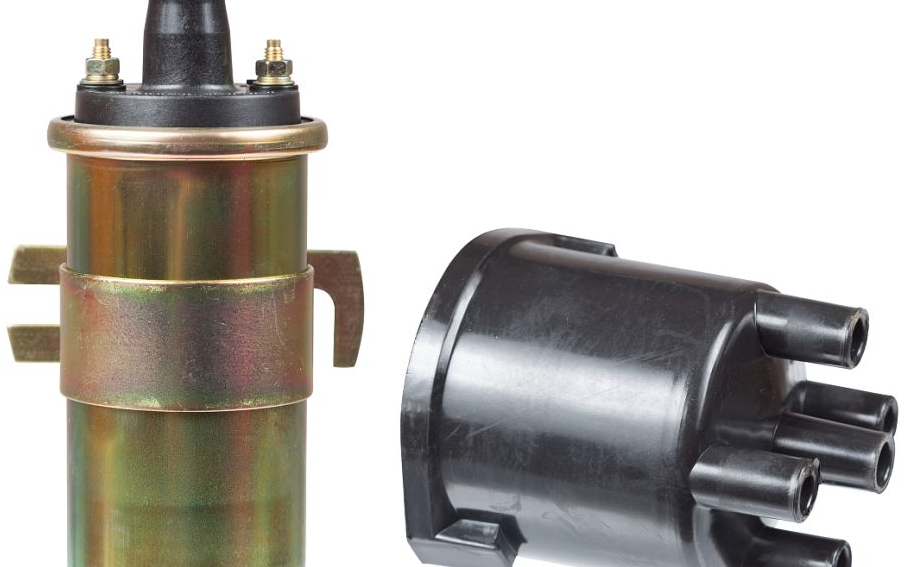
Comparison of Typical Housing Configurations
| Housing Type | Typical IP/NEMA Level | Common Materials | Typical Applications |
|---|---|---|---|
| Cylindrical threaded sensor body (M12/M18) | IP65–IP67 | Nickel-plated brass, stainless steel, reinforced plastics | Industrial proximity, photoelectric, temperature sensors |
| Rectangular block housing with front face lens | IP65–IP67 | Plastic, aluminum | Photoelectric sensors, small vision sensors, distance sensors |
| Flanged process connection housing | IP66–IP68, NEMA 4/4X | 316 stainless steel, Hastelloy, high-performance polymers | Pressure, level, flow and temperature instruments in process plants |
| Outdoor environmental enclosure | IP66–IP68, NEMA 3/4 | UV-stabilized plastic, coated aluminum, stainless steel | Weather stations, air quality monitoring, infrastructure sensors |
| Hygienic washdown housing | IP69, NEMA 4X | 316L stainless steel, specific hygienic elastomers | Food and beverage processing, dairy, pharmaceutical plants |
| Compact automotive sensor module | High sealing level, automotive-specific tests | High-temperature plastics, aluminum, stainless steel | Engine management sensors, chassis sensors, exhaust sensors |
Pain Points and Practical Considerations in Sensor Housing Use
While sensor housings are essential for protecting sensors, they can also introduce practical difficulties if not selected or designed carefully.
Housing-Induced Measurement Errors
Poor housing design can degrade measurement quality:
- Excessive wall thickness or insulation can slow response times for temperature and humidity sensors.
- Non-optimized process connections can cause local flow disturbances, affecting flow and pressure readings.
- Contaminated windows or poorly chosen window materials can reduce signal strength in optical and infrared sensors.
Careful evaluation of the interaction between measured media and housing geometry is essential to minimize these issues.
Seal Degradation and Leakage
Seals can harden, crack or deform over time due to temperature, chemical exposure or mechanical stress, resulting in loss of IP rating and potential failures. To mitigate this:
- Select seal materials compatible with present media and temperature range.
- Avoid over-compressing seals during assembly.
- Allow for periodic inspection or replacement where long service lives are required.

Corrosion and Material Incompatibility
Inadequate material selection can lead to corrosion or stress cracking, especially in marine, chemical or washdown environments. Consider:
- Matching the housing material to both external and internal media (e.g., process fluids, cleaning agents).
- Avoiding galvanic corrosion by careful pairing of metals in contact (e.g., fasteners and housing).
- Using protective coatings or surface treatments when base materials alone are insufficient.
Installation and Service Constraints
Many problems arise during installation or maintenance rather than during design:
- Housings that are difficult to reach or require special tools increase maintenance time.
- Inadequate strain relief or cable routing can lead to premature cable failures or water ingress along the cable path.
- Lack of clear mounting alignment features can cause misalignment for directional sensors.
Designs that consider installer and maintenance technician needs can significantly reduce downtime and service costs.
FAQ About Sensor Housings
What is a sensor housing?
A sensor housing is the protective enclosure that surrounds and supports a sensor, shielding it from environmental factors such as moisture, dust, vibration, and mechanical impact while maintaining proper sensor functionality.
How does the choice of material affect sensor performance?
Material affects weight, durability, thermal expansion, corrosion resistance, and electromagnetic interference shielding. For example, metals provide strength and EMI shielding, while plastics offer light weight and chemical resistance.
How do I choose the right IP rating for a sensor housing?
Selecting an IP rating begins with understanding the environment where the sensor will operate. For dry indoor environments with limited dust and no water spray, IP40–IP54 may be sufficient. For typical industrial areas with dust and occasional washdown or splash, IP65 or IP67 is commonly used. Outdoor or heavy washdown applications often require IP67, IP68 or IP69. When in doubt, evaluate the presence of dust, types of liquids, cleaning methods, likelihood of immersion, and any relevant industry standards, then select the rating that covers these conditions with a safety margin.
How are sensor housings manufactured?
They can be produced using CNC machining, injection molding, die casting, extrusion, or additive manufacturing, depending on the material and complexity.
What is the difference between a sensor and a sensor housing?
The sensor is the sensing element and associated electronics that detect and convert a physical quantity (such as temperature, pressure, position or light) into an electrical signal. The sensor housing is the mechanical enclosure that surrounds this sensor, providing environmental protection, mechanical support, mounting interfaces and often electrical connection and shielding. In many commercial products, the sensing element and housing are integrated into a single device, but they remain conceptually distinct components.