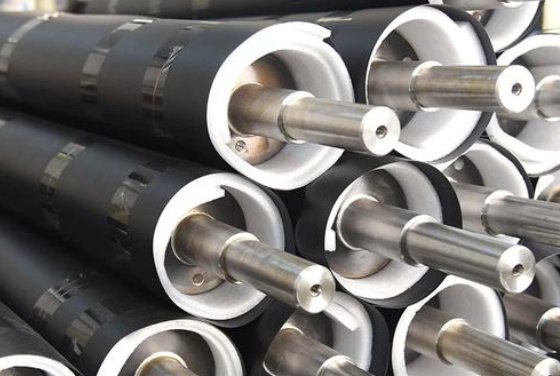
Hard anodizing (also called hardcoat anodizing or Type III anodizing) is a controlled electrochemical process that forms a thick, dense aluminum oxide layer on aluminum alloys. Compared with conventional decorative anodizing, hard anodizing produces significantly greater thickness and hardness, enabling aluminum components to achieve high wear resistance, improved corrosion performance, and dimensional stability in demanding environments.
This guide explains the key technical aspects of hard anodizing, with emphasis on coating thickness, hardness, and design best practices. It is intended for design engineers, manufacturing engineers, and buyers who must specify and evaluate hard anodized aluminum parts.
What Is Hard Anodizing
Hard anodizing is an electrolytic oxidation process in which an aluminum part serves as the anode in an acid electrolyte. When direct current passes through the part, a controlled oxide layer (aluminum oxide, primarily Al₂O₃) grows from the base metal surface. In hard anodizing, process parameters are adjusted to produce a thicker, harder, and more wear-resistant coating than standard anodizing.
Key distinguishing features of hard anodizing include:
- Typical thickness range from about 25 µm to 75 µm (0.001–0.003 in), sometimes higher on suitable alloys.
- High microhardness typically in the range of about 350–600 HV (roughly 35–70 HRC equivalent, depending on test method and location).
- Low porosity and high abrasion resistance compared with conventional anodizing layers.
Most industrial hard anodizing processes are based on sulfuric acid electrolytes operated at low temperature and relatively high current density. The process is suitable for many wrought and cast aluminum alloys, with differences in achievable thickness, uniformity, and hardness depending on alloy composition and heat treatment.
Benefits of Hard Anodized Aluminum
Hard anodizing offers a combination of surface properties that often allows aluminum to replace heavier or more expensive materials such as hardened steel or nickel-based alloys in certain applications. Main benefits include:
Wear resistance
The thick oxide layer significantly increases abrasion and sliding wear resistance. The hard surface is especially useful in sliding bearings, cylinders, valves, and components subject to repeated frictional contact.
Corrosion resistance
Although hard anodizing is usually specified primarily for wear resistance, the dense oxide layer also provides strong corrosion protection in many environments. When combined with appropriate sealing and, if needed, paint or dry-film lubricant, hard anodized parts can achieve multiyear corrosion performance.
Dimensional stability and surface integrity
Hard anodizing creates a firmly bonded oxide layer integral with the base metal. There is no risk of delamination typical of some coatings. The process produces minimal dimensional change relative to coating thickness if properly considered in design.
Thermal and electrical properties
The oxide layer has low thermal and electrical conductivity compared with bare aluminum. This can be exploited to provide electrical insulation or thermal barrier effects in some designs, while still using a lightweight aluminum substrate.
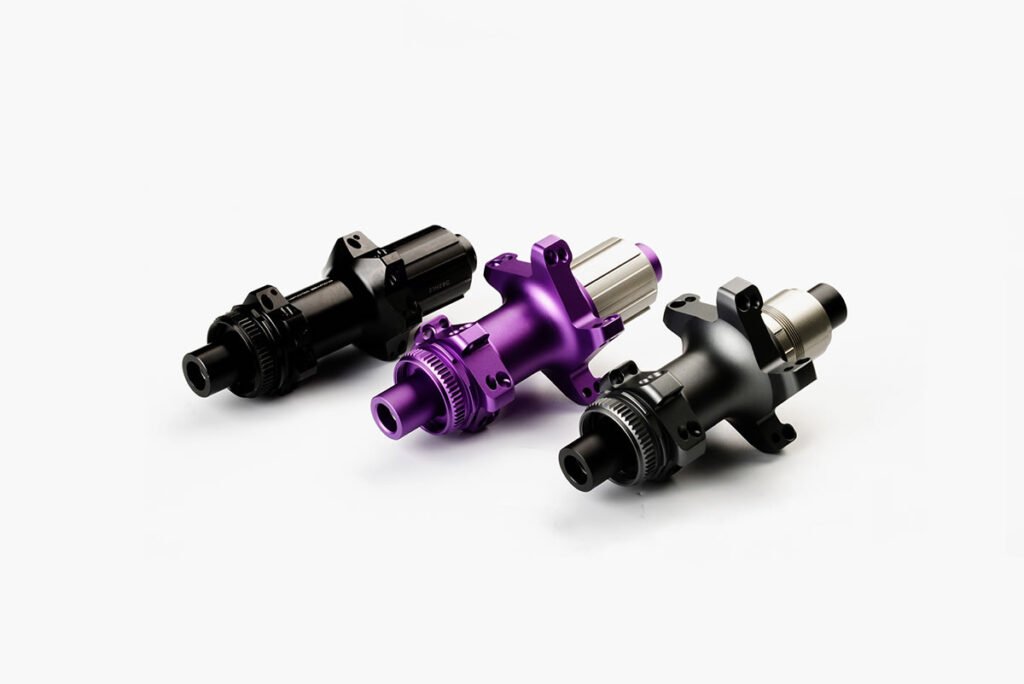
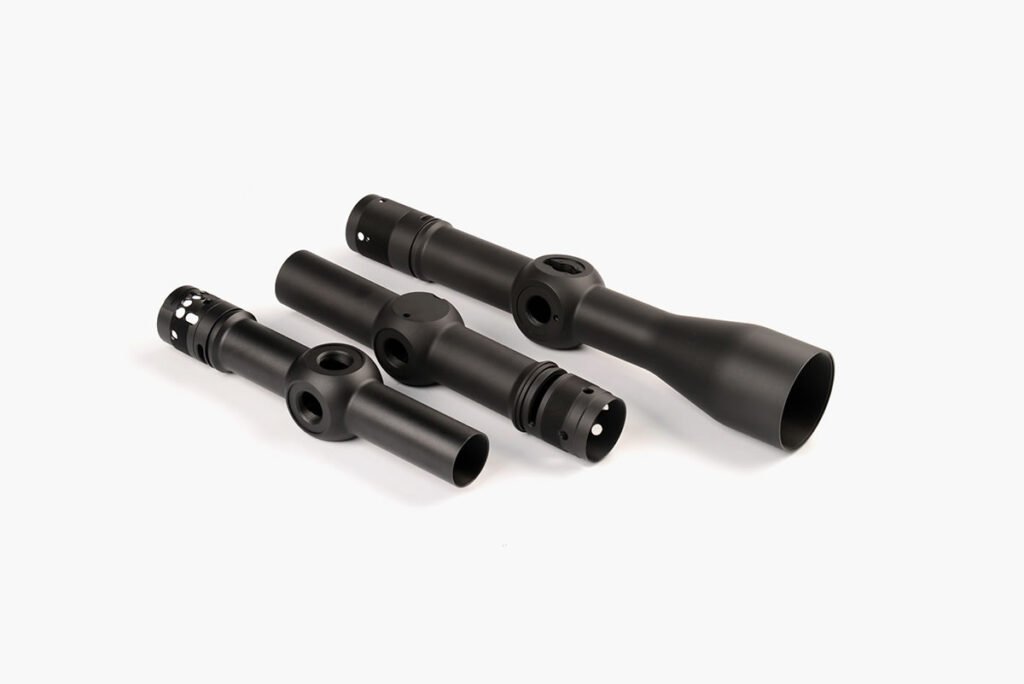
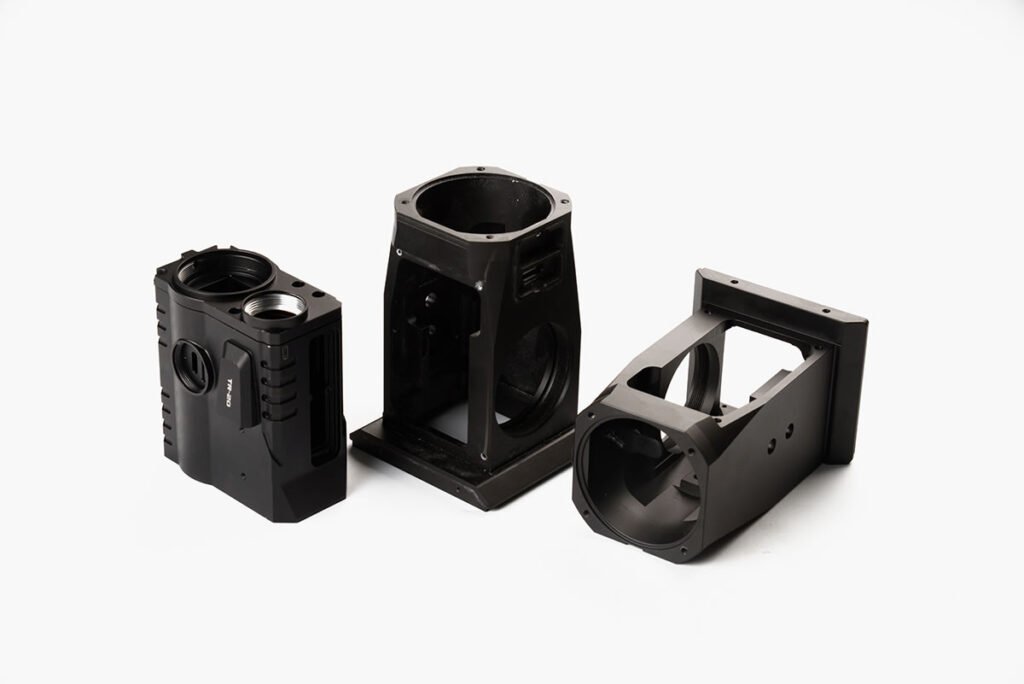
Hard Anodizing vs. Conventional Anodizing
Conventional decorative or protective anodizing (often referred to as Type II sulfuric anodizing) is different from hard anodizing in several key aspects. Understanding these differences helps determine when hard anodizing is necessary and how to specify it properly.
| Property | Conventional Anodizing (Type II) | Hard Anodizing (Type III) |
|---|---|---|
| Typical thickness | 5–25 µm (0.0002–0.001 in) | 25–75 µm (0.001–0.003 in), sometimes higher |
| Microhardness | ≈150–350 HV | ≈350–600 HV (alloy and process dependent) |
| Primary purpose | Appearance, moderate corrosion protection | Wear resistance, heavy-duty service, enhanced corrosion protection |
| Color | Wide range with dyes, often bright | Natural gray to dark bronze; deep dyeing more difficult |
| Operating temperature | Typically 18–25°C (64–77°F) | Typically around -5 to +5°C (23–41°F) |
| Current density | Approx. 1–1.5 A/dm² | Approx. 2–5 A/dm² or higher |
Hard anodizing is generally specified when high wear resistance and thick coatings are required, whereas Type II anodizing is chosen when decorative appearance and moderate protection are sufficient.
Hard Anodizing Thickness: Ranges and Control
Coating thickness is one of the most critical parameters in hard anodizing. It affects wear life, fatigue strength, dimensional change, and cost. Thickness must be specified and controlled with consideration for alloy type, application environment, and machining tolerances.
Typical Thickness Ranges
Common thickness ranges for hard anodized coatings are:
- High-wear industrial parts: approximately 25–75 µm (0.001–0.003 in).
- Extreme wear or corrosion environments where geometry permits: up to around 125 µm (0.005 in) on suitable alloys.
- Precision components with tight tolerances: often 25–50 µm (0.001–0.002 in) to balance wear resistance with dimensional control.
The practical maximum thickness depends strongly on alloy composition, geometry, and process conditions. Certain high-silicon cast alloys or alloys with large intermetallic phases may not support the same thickness as more favorable wrought alloys such as 6061 or 7075.
Growth Ratio and Dimensional Change
Hard anodizing converts a portion of the aluminum surface into oxide. The total coating thickness is partly “grown into” the substrate and partly above the original surface. A commonly used approximation is:
- Approximately 50% of the coating thickness penetrates into the metal.
- Approximately 50% of the coating thickness grows outward.
As an example, a 50 µm (0.002 in) coating typically results in about 25 µm (0.001 in) build-up on each surface. Actual ratios vary by alloy and process, and in precision applications they should be confirmed with the anodizing supplier.
For close-tolerance parts, designers must account for this surface build-up when specifying pre-anodize dimensions. For cylindrical fits, the diameter increase is approximately twice the build-up per side. For example, 25 µm build-up per side results in approximately 50 µm diameter increase.
Thickness Uniformity
Thickness is not uniform across complex shapes. Edges, corners, sharp ridges, and areas closest to the cathodes generally exhibit higher current density and therefore thicker coatings. Blind holes, recesses, and internal corners receive lower current density and may have thinner coatings.
Typical issues related to thickness uniformity include:
- Over-thick coatings on sharp edges, leading to local brittleness or chipping.
- Under-thick coatings in deep cavities or shadowed areas, reducing wear and corrosion performance.
- Variable thickness along long bores or complex flow paths due to current distribution.
Good fixturing, part orientation, and cathode design can improve uniformity, but designers should avoid assuming perfectly uniform thickness on highly complex geometries.
Hardness and Wear Performance of Hard Anodized Coatings
Hardness is a key performance indicator for hard anodized layers and is closely related to wear resistance. However, hardness values and test methods must be interpreted correctly to avoid misleading comparisons.
Hardness Values and Test Methods
Hard anodized aluminum typically exhibits microhardness values in the range of approximately 350–600 HV, depending on the alloy, process conditions, and measurement location. Commonly used test methods include:
- Vickers microhardness (e.g., HV0.05, HV0.1) applied to cross-sections of the coating.
- Knoop microhardness, also used on cross-sections, particularly for thin coatings.
- Specialized surface hardness tests calibrated for anodic films.
Conversion from Vickers hardness to Rockwell C is approximate and depends on the specific test. In many cases, the surface hardness of a hard anodized layer is comparable to that of hardened steel. However, the oxide layer is more brittle than steel and its load-bearing capability also depends on coating thickness and substrate support.
Factors Affecting Hardness
Hardness is influenced by several process and material parameters:
- Alloy composition and temper (heat treatment): different alloys exhibit different oxide growth behavior and microstructure, which affects hardness and wear.
- Electrolyte composition and concentration: typically based on sulfuric acid, sometimes with additives to refine pore structure.
- Bath temperature: lower temperature promotes harder, denser coatings.
- Current density and voltage profile: higher current density and controlled ramping influence pore size, oxide structure, and resulting hardness.
- Coating thickness: hardness may vary through the thickness, often slightly lower near the substrate interface.
Because of these variables, hardness values provided by suppliers should be associated with the specific alloy, thickness range, and test method used.
Wear Resistance Considerations
High hardness contributes to wear resistance, but other factors are also important:
- Coating thickness and uniformity: thicker and more uniform coatings generally provide longer wear life under abrasive or sliding conditions.
- Surface finish and counterface material: roughness, lubrication, and the hardness of the mating component significantly affect wear behavior.
- Load and contact area: localized high loads can fracture the oxide layer if it is too thin or not properly supported by the base metal.
- Presence of lubricants or solid film lubricants impregnated into the pores: these can greatly reduce friction and wear.
Designers should consider both hardness and coating thickness together and should not rely solely on quoted hardness numbers when evaluating wear performance.
Process Parameters and Their Impact
The properties of a hard anodized coating are a direct result of the process parameters used. While the details are typically controlled by the anodizing facility, understanding the main variables helps in specifying and evaluating the process.
Electrolyte Composition
Most hard anodizing processes use a sulfuric acid solution at higher concentration than decorative anodizing. Sometimes additives are included to influence pore morphology or to help control burning at higher current densities. The electrolyte must be controlled within narrow ranges of concentration, contamination, and conductivity for consistent results.
Temperature Control
Hard anodizing is usually performed at low temperature, commonly near or slightly below the freezing point of water. It is critical to maintain the bath temperature within a narrow range because:
- Higher temperature leads to increased chemical dissolution of the oxide, resulting in softer, more porous coatings.
- Lower temperature supports higher hardness and thickness, but excessive cooling may reduce process efficiency or cause uneven growth.
Large parts and high current densities generate significant heat, so agitation and external cooling systems are used to maintain temperature stability.
Current Density and Voltage
Hard anodizing requires higher current densities than conventional anodizing. Current density is typically increased gradually (ramped) at the start of the cycle to avoid burning and to maintain good surface uniformity.
Key effects include:
- Higher current density generally produces denser, harder coatings but increases risk of overheating and burning.
- Voltage increases as the oxide layer grows and resistivity rises; process control equipment must accommodate the required voltage range.
- Non-uniform current distribution on complex geometries can lead to variable thickness and appearance; fixture design and cathode placement are used to reduce these effects.
Time in Bath (Coating Growth Time)
Coating thickness is roughly proportional to anodizing time once the process is stabilized. However, growth rate decreases as thickness increases because the oxide layer resists further current flow. At very high thicknesses, continued growth may produce diminishing hardness or increased cracking.
To achieve a specified thickness range, shops will often develop empirical time–thickness relationships for each alloy and part configuration. Designers should allow practical tolerance bands and avoid specifying extremely narrow thickness tolerances unless absolutely necessary.
Alloy Selection for Hard Anodizing
Alloy composition significantly influences the growth rate, hardness, appearance, and achievable thickness of hard anodized coatings. Many wrought and cast aluminum alloys can be hard anodized, but some are more favorable than others.
Wrought Aluminum Alloys
Common wrought alloys used with hard anodizing include:
- 5000 series (Al–Mg): generally good anodizing behavior, good corrosion resistance; can achieve robust coatings.
- 6000 series (Al–Mg–Si, e.g., 6061): widely used; produces relatively uniform, hard coatings with good thickness capability and balanced mechanical properties.
- 2000 series (Al–Cu) and 7000 series (Al–Zn–Mg–Cu): higher strength alloys; hard anodizing is feasible but may show more color variation and slightly different growth behavior. Pre-treatments and conditioning can be important to achieve consistent results.
Heat treatment (temper) affects the anodizing response. For example, fully hardened tempers may show different coating growth rates than solution-treated or annealed conditions. When possible, parts should be anodized in the final required temper, or process sequences should be carefully coordinated.
Cast Aluminum Alloys
Cast alloys can be more challenging due to silicon, copper, and other alloying additions, as well as casting porosity. High silicon content, in particular, tends to produce darker, more matte coatings and may limit maximum thickness. However, properly selected and processed cast alloys can still benefit from hard anodizing for wear surfaces and corrosion protection.
Designers should consult with the anodizing supplier when specifying hard anodizing on complex castings, especially where high thickness or tight tolerances are needed.
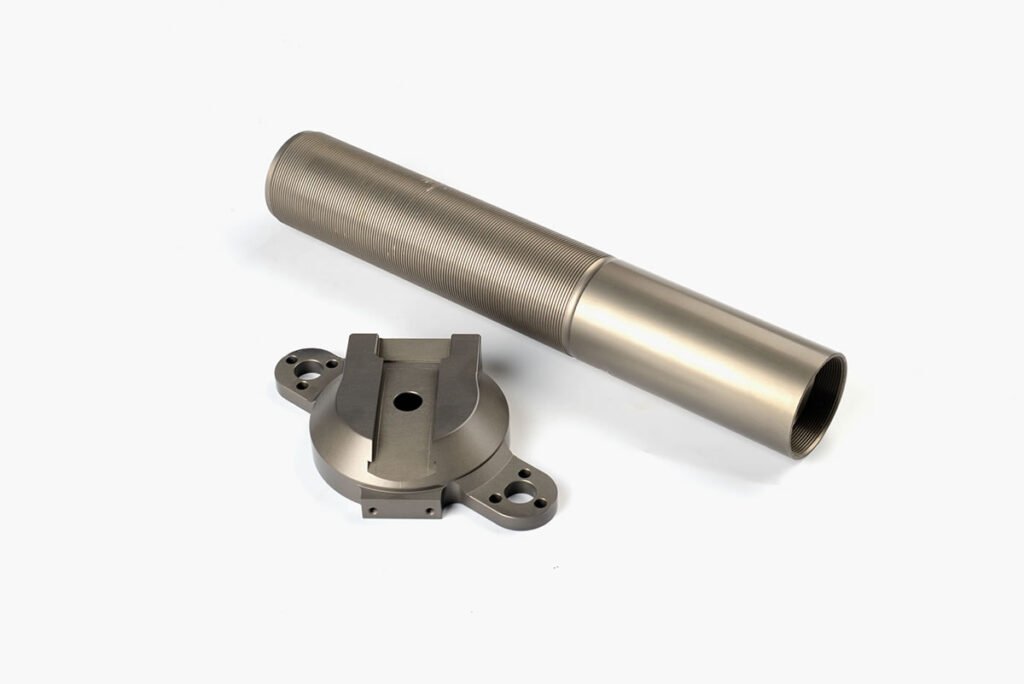
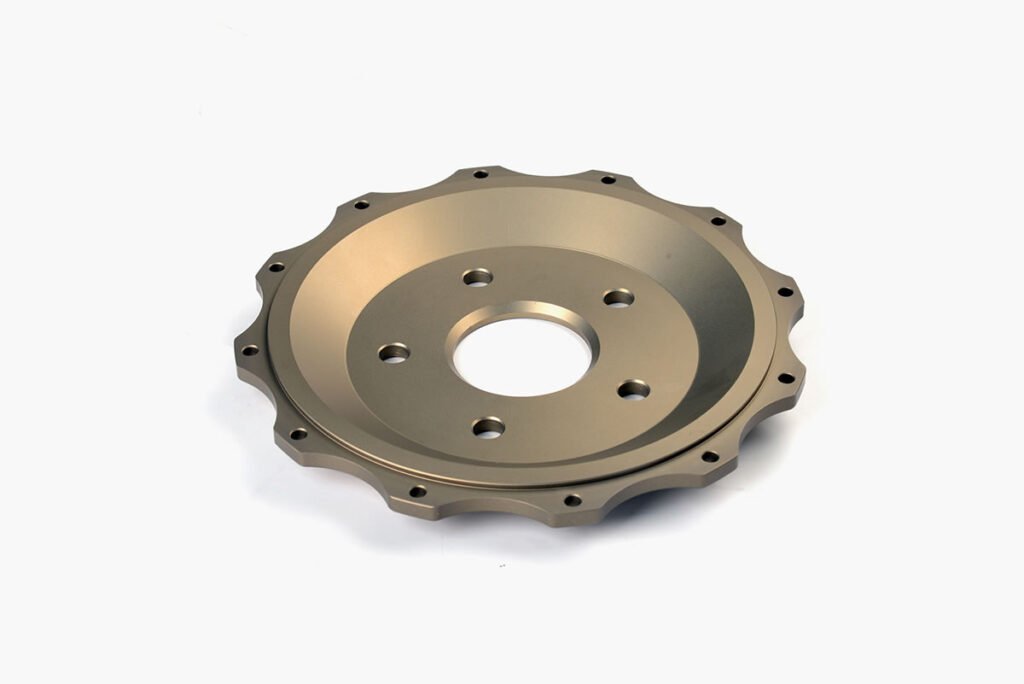
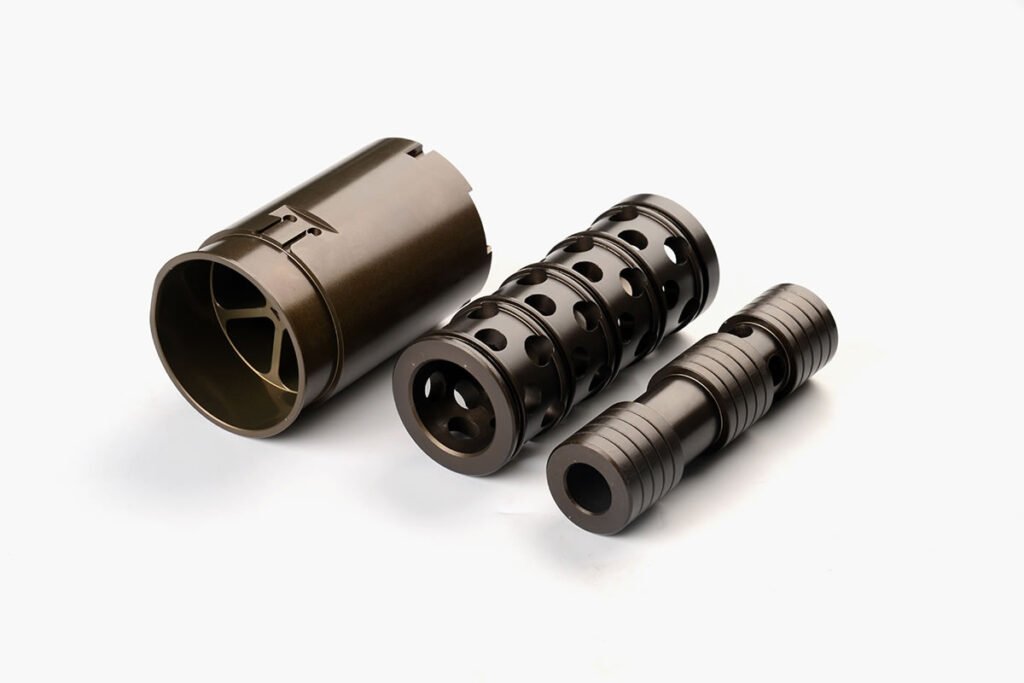
Dimensional and Tolerance Considerations
Dimensional control is a major design consideration for hard anodized parts. Because the process adds thickness and modifies surface topography, tolerancing strategies must incorporate coating effects from the outset.
Dimensional Growth and Pre-Machining
As noted earlier, the coating thickness is divided between inward growth and outward build-up. For most practical purposes, about half of the specified thickness can be assumed as build-up on each surface. For close-fitting parts, dimensions should be adjusted prior to anodizing so that final dimensions fall within tolerance once the coating is applied.
Example for a cylindrical shaft:
- Required final diameter after anodizing: 20.000 mm
- Specified hard anodizing thickness: 50 µm (0.050 mm) total
- Approximate build-up per side: 25 µm (0.025 mm)
- Diameter growth: about 0.050 mm
- Target diameter before anodizing: 19.950 mm to achieve 20.000 mm after anodizing.
This simple calculation should be refined based on actual process data and discussion with the anodizing supplier, especially for critical dimensions.
Tolerances on Coating Thickness
Hard anodizing thickness cannot be controlled to arbitrarily tight values across complex geometries. Typical practical tolerances on coating thickness may range from ±5 µm to ±15 µm or more, depending on alloy, part size, and configuration.
When specifying thickness:
- Use realistic ranges (e.g., 40–60 µm) rather than a single nominal number with very tight tolerance.
- Identify critical surfaces where thickness is most important for performance; these may merit additional process control or inspection.
- Avoid over-specifying thickness on non-critical surfaces, as this drives cost and may introduce unnecessary complications.
Surface Roughness Changes
Anodizing changes surface roughness. The oxide layer generally reproduces and slightly amplifies the pre-existing surface finish. Machined or ground surfaces may become slightly rougher after hard anodizing, especially at higher thicknesses.
Designers should consider:
- Achieving the desired base finish prior to hard anodizing; post-anodize polishing is limited because it may thin or remove the coating.
- Specifying surface roughness values that account for the modest increase expected from anodizing.
- For critical sliding surfaces, combining a controlled base finish with optimized coating thickness and, if needed, impregnation with solid lubricants.
Design Best Practices for Hard Anodized Parts
Incorporating process awareness into design will greatly improve the consistency and performance of hard anodized components. The following principles address geometry, fixturing, tolerancing, and functional requirements.
Geometry and Edge Design
Certain geometric features promote more uniform coating growth and reduce the risk of defects:
- Avoid sharp corners and edges where possible; specify small radii or chamfers to reduce localized high current density and excessive thickness build-up.
- Round internal corners to improve solution flow and reduce thin spots.
- Eliminate deep narrow grooves or slots that are difficult to anodize uniformly due to limited electrolyte circulation and reduced current access.
Where sharp edges are functionally necessary, consider a controlled edge break and allow for local thickness variations in the design tolerances.
Holes, Threads, and Internal Features
Holes and internal features require special consideration:
- Small-diameter deep holes may receive much thinner coatings; evaluate whether hard anodizing is needed inside these features or if masking is preferred.
- Frequently engaged threads may become too tight after coating buildup; pre-machining dimensions and thread classes should be selected accordingly.
- For precision bores, consider honing or reaming prior to anodizing and carefully calculating expected post-anodize diameters.
If certain internal surfaces must remain uncoated for electrical or dimensional reasons, masking solutions should be specified. Masking adds cost and complexity, so it should be used only where necessary.
Material and Heat Treatment Selection
Choosing a suitable aluminum alloy and heat treatment condition facilitates more predictable hard anodizing results:
- Favor alloys known for good anodizing behavior (e.g., 6061 for many general-purpose applications).
- When high strength alloys (e.g., 7075) are required, coordinate with the anodizing supplier to understand achievable coating properties and color variations.
- Ensure heat treatment is completed and stabilized before hard anodizing, when feasible, to avoid altering the coating in subsequent thermal operations.
Functional Requirements and Specification Language
A well-prepared specification helps the anodizing supplier understand functional priorities and choose appropriate process settings. Typical specification elements include:
- Coating type (e.g., “hard sulfuric anodizing,” “Type III, Class 1” or “Class 2” per relevant standards).
- Required thickness range on critical surfaces, with clear identification of those surfaces.
- Special requirements such as sealing, impregnation with PTFE or other lubricants, or post-anodize treatments.
- Performance requirements (e.g., wear test results, corrosion test duration) where standardized tests are applicable.
It is often useful to separate “must-have” requirements from “preferred” attributes, allowing the supplier some flexibility to optimize the process while meeting critical performance targets.
Surface Finishing, Color, and Sealing
Hard anodizing primarily targets performance rather than appearance, but surface finish and color can still be important in many applications. Sealing and post-treatments further influence the final properties.
Color and Appearance
Hard anodized layers are naturally gray to dark gray or bronze, depending on alloy composition and thickness. In many cases, thicker coatings appear darker. Color is generally less uniform than decorative anodizing, especially on alloys with complex microstructures.
Dyeing hard anodized layers is more challenging than dyeing thin, porous decorative layers because the pores are smaller and the coating is denser. Dark dyes may be used for certain applications, but color consistency is harder to maintain, especially at high thickness and on high-strength alloys.
Sealing of Hard Anodized Coatings
Sealing is a post-anodizing treatment that closes the pores in the oxide layer, improving corrosion resistance and reducing dye leaching. Options include hot water sealing, nickel acetate sealing, or other proprietary sealants.
For hard anodizing, sealing has the following implications:
- Sealing improves corrosion resistance but may slightly reduce hardness and wear resistance due to partial hydration of the oxide.
- Some wear-critical applications intentionally use unsealed hard anodizing or partial sealing to retain maximum hardness and maintain the ability to absorb lubricants.
- When corrosion resistance is critical, sealing is usually recommended, and its impact on wear performance should be evaluated in testing.
Lubricant Impregnation and Coatings
For sliding or bearing surfaces, the porous structure of the anodized layer can be used to hold lubricants. Options include:
- Impregnation with PTFE or other solid film lubricants.
- Application of dry-film lubricant coatings designed to bond with anodized aluminum.
- Use of compatible oils or greases in service that penetrate into the surface structure.
These treatments can substantially reduce friction and improve wear life, especially in marginal lubrication conditions. The choice of lubricant must be compatible with the operating environment and any cleanliness requirements.
Quality Control, Testing, and Standards
Hard anodizing quality is verified through thickness measurement, hardness testing, adhesion evaluation, and corrosion or wear testing as appropriate. Familiarity with relevant standards and test methods helps ensure consistent performance.
Thickness Measurement Methods
Common methods to measure anodic coating thickness include:
- Eddy current gauges designed for non-conductive coatings on conductive substrates; suitable for many production parts when calibrated for the specific alloy and coating type.
- Cross-sectional microscopy, in which a sample is embedded, polished, and measured under a microscope; more accurate but destructive and typically used for qualification or periodic verification.
- Optical or mechanical methods on test coupons that are processed along with production parts.
Measurement locations should be defined on drawings or specifications, especially if thickness uniformity is a concern.
Hardness and Wear Tests
Hardness may be measured on cross-sections using microhardness testers. For performance evaluation, standardized wear tests may be used, such as:
- Abrasive wear tests, where coated samples are subjected to controlled abrasion to compare material loss.
- Sliding wear tests against specific counterface materials under defined load and speed conditions.
- Application-specific endurance tests defined by the end user.
Because wear behavior is strongly application-dependent, testing conditions should reflect actual or worst-case use scenarios whenever possible.
Corrosion Resistance Assessment
Corrosion resistance is often evaluated using salt spray (fog) testing or other standardized methods. Sealed hard anodized coatings typically show substantially improved performance compared with bare aluminum. For critical parts, additional in-service or field tests may be required to confirm long-term behavior in specific environments.
When specifying corrosion performance, it is important to define:
- The test method (e.g., type of salt spray test).
- The test duration or acceptance criteria (e.g., number of hours without significant pitting).
- Sample preparation, including sealing and any post-treatments.
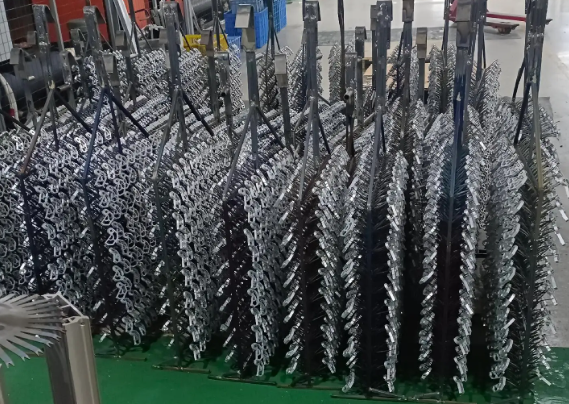
Common Issues and Practical Considerations
While hard anodizing is a mature and reliable process, several practical issues commonly arise in industrial use. Addressing them early in the design and planning stages improves outcomes and reduces rework.
Dimensional Conflicts and Fit Problems
A frequent problem is interference fits or misaligned clearances caused by not adequately accounting for coating build-up. This may manifest as shafts that no longer fit in bearings, threaded parts that bind, or assemblies that cannot be fully inserted. The remedy is proper pre-anodize dimensioning and clear communication of expected build-up with the anodizing supplier.
Color Variations and Aesthetic Expectations
Because hard anodized coatings are influenced by alloy composition, local microstructure, and thickness variations, color may be inconsistent between parts or even across a single part. Where appearance is important, design teams should:
- Use the same alloy and temper for all critical visible components.
- Minimize large thickness variation across visible surfaces.
- Align expectations toward functional performance rather than decorative uniformity.
Masking Requirements
Many designs require certain areas to remain uncoated for electrical contact, conductivity, bonding, or precision fits. Masking materials protect these areas during anodizing but add labor and complexity. Excessive masking also increases the risk of dimensional variation at mask boundaries.
To manage this effectively:
- Limit masked areas to those strictly necessary.
- Use straightforward geometries and clearly defined boundaries for masked regions.
- Confirm with the anodizing supplier how mask lines and transitions will be handled.
Hydrogen Embrittlement and Fatigue
While aluminum is not prone to classic hydrogen embrittlement in the same way as steels, anodizing can affect fatigue performance by introducing a brittle surface layer and potential microcracks, particularly at high thickness or on highly stressed features.
For fatigue-critical parts:
- Avoid excessive coating thickness on regions of high cyclic stress.
- Provide generous radii and smooth transitions to reduce stress concentration.
- Consider specific fatigue testing of hard anodized samples if life margins are tight.
FAQ About Hard Anodizing Aluminum
Does hard anodizing increase part dimensions significantly?
Yes, hard anodizing increases part dimensions, but the change is predictable and can be designed for. Approximately half of the coating thickness grows outward from the original surface and half inward into the substrate. For example, a 50 µm (0.002 in) coating typically adds about 25 µm (0.001 in) to each surface, which means a cylindrical diameter will increase by about 50 µm. By adjusting pre-anodize dimensions accordingly, the final size after hard anodizing can be kept within required tolerances.
Is sealing necessary for hard anodized aluminum parts?
Sealing is not always mandatory but is often recommended, depending on the application. Sealing closes the pores of the anodic layer and significantly improves corrosion resistance. However, it may slightly reduce surface hardness and wear resistance because the oxide becomes partially hydrated. For parts where maximum wear resistance is critical and corrosion exposure is limited, unsealed hard anodizing can be acceptable. For components exposed to corrosive environments or requiring extended corrosion life, sealed hard anodizing is typically preferred.
Which aluminum alloys are best for hard anodizing?
Many aluminum alloys can be hard anodized, but some give more consistent and higher-quality coatings. Alloys such as 5000 and 6000 series (for example, 6061) generally produce uniform, hard coatings with good thickness capability. High-strength 2000 and 7000 series alloys can also be hard anodized but may exhibit greater color variation and slightly different growth behavior. High-silicon cast alloys often result in darker, more matte coatings and may limit maximum thickness. The best choice is an alloy that meets mechanical requirements while also having a documented history of good hard anodizing performance.
Can dimensions be corrected after hard anodizing by machining?
Post-anodize machining is possible but must be approached carefully. Machining or grinding will remove the oxide layer on machined surfaces, eliminating the protective and wear-resistant coating in those areas. For some applications, a light finishing operation may be acceptable on non-critical surfaces, but for most functional surfaces, it is better to achieve final dimensions before hard anodizing and account for coating build-up in the design. If post-anodize machining is unavoidable, the affected areas should be clearly identified, and their performance implications evaluated.